
Last updated November 25, 2026
 Sweep & inspection
 Caps & crowns
 Flue relining
 Masonry repair
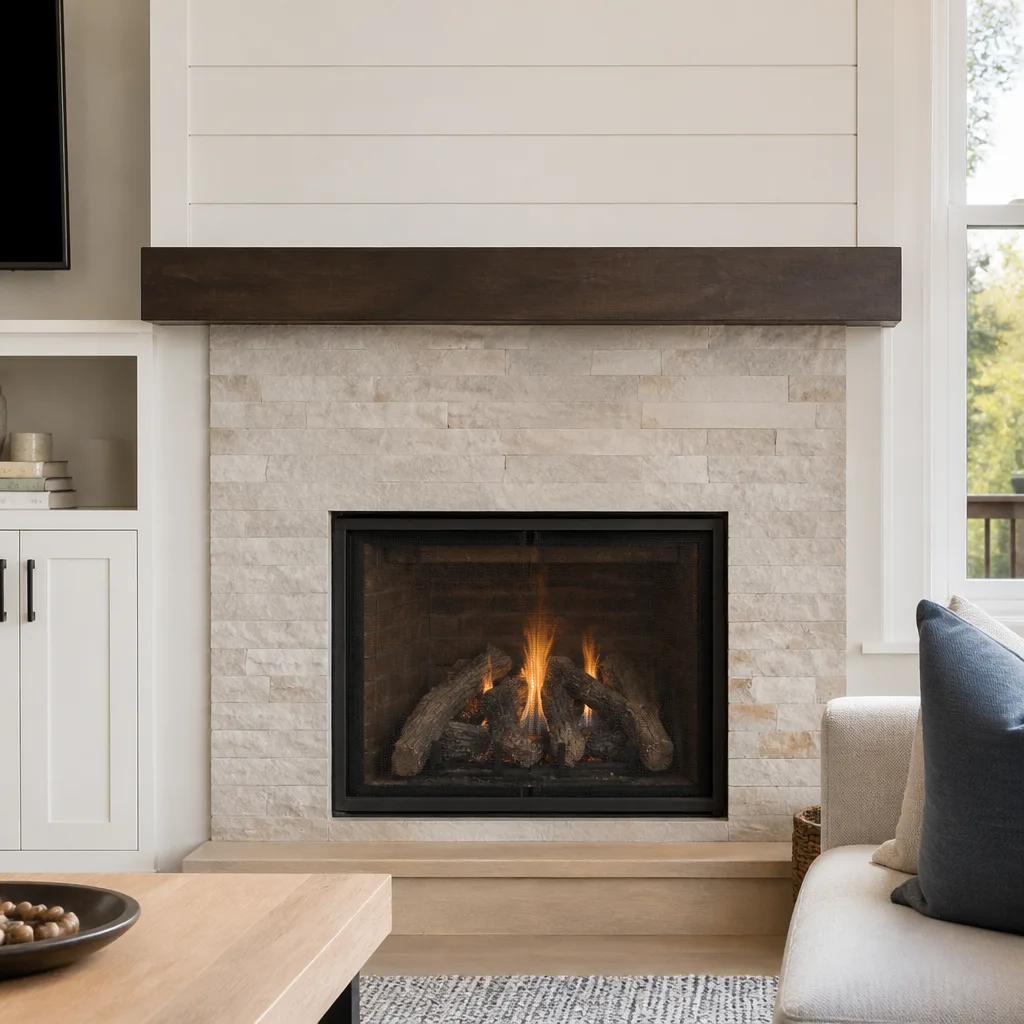 Gas fireplace service
Level 1 sweep and inspection to the NFPA 211 annual standard - flue, crown, cap, and flashing checked and photographed
Chimney sweep logs do not sweep chimneys. They loosen some creosote - which then falls where a brush and vacuum still have to collect it.
Chimney Sweep Maintenance Checklist for Fullerton Homeowners
The number one maintenance mistake Fullerton homeowners make isn’t skipping cleaning. It’s treating a gas fireplace insert the same as a wood-burning masonry chimney and missing the components that actually fail. A gas insert has no creosote to sweep, but it has venting, gaskets, and a firebox that need eyes on them. A 1950s masonry chimney in a mid-century tract home has a flue, a crown, and a smoke chamber that a gas unit never touches. This guide organizes maintenance by what you actually own, not by a generic seasonal calendar. You’ll get safe visual checks you can do from the firebox, a photo list to hand a sweep, and a record-keeping format for the life of the home.
Quick Answer
A chimney maintenance checklist in Fullerton should be built around your system type: wood-burning masonry, prefabricated wood-burning, or gas insert. Each has different inspection points and different failure risks. Check the firebox and damper yourself, keep a dated record of every sweep and repair, and have a professional inspect annually before burning season. Wood-burning systems need sweeping when creosote builds; gas inserts need venting and component checks instead.
Styles & brands we work with
- Sweep & inspection
- Caps & crowns
- Flue relining
- Masonry repair
- Gas fireplace service
Table of Contents
- Why Your Chimney Checklist Depends on What You Own
- Track 1: Wood-Burning Masonry Chimneys
- Track 2: Prefabricated Wood-Burning Systems
- Track 3: Gas Insert Systems
- Visual Checks You Can Safely Do From the Firebox
- What to Photograph Before You Call a Sweep
- Overlooked Items: Chase Covers, Cap Mesh, and Crown Coats
- A Record-Keeping Format for the Life of the Home
Why Your Chimney Checklist Depends on What You Own
Fullerton’s housing stock splits into two broad groups, and the chimney work follows that split. The older neighborhoods near downtown and around the established tracts have masonry chimneys built alongside the homes. Updated properties across town often swapped the open hearth for a gas insert. Those two systems share a chimney structure and almost nothing else about maintenance. A masonry chimney accumulates creosote from wood smoke. A gas insert produces combustion byproducts that vent differently and doesn’t build creosote at all, but its venting, gaskets, and firebox seals degrade with use. Prefabricated wood-burning systems, common in later construction, sit in a third category with their own metal flue and chase cover.
Treating all three the same way leads to two opposite errors. One is paying for a sweep a gas insert doesn’t need. The other is assuming a gas insert needs no attention at all and missing a venting problem that has nothing to do with sweeping. The right checklist asks what you have first, then what that system needs. We’ve seen both errors in Fullerton, and both are avoidable with a two-minute look at the firebox before you book anything.
The good news is that the maintenance rhythm is similar across all three: a self-check you can do safely, a professional inspection, and a written record. What changes is the specific points to check. The next three sections break each track down so you can work from the one that matches your home.
Track 1: Wood-Burning Masonry Chimneys
Masonry chimneys are the most involved track because they have the most components. The flue carries smoke up and out, the smoke chamber above the damper smooths the transition, the crown caps the top and sheds water, and the firebox holds the fire. Each one fails in its own way, and each one belongs on your checklist. Creosote is the fire-safety item: it’s the residue of incomplete wood combustion, and it accumulates on the flue walls where you can’t see it without a camera or a sweep.
Your masonry checklist, in order of what a professional inspects:
- Flue condition and creosote level. A sweep removes deposits and reports the level found. Heavy buildup is the reason sweeping matters before burning season.
- Damper plate and frame. The damper should open fully and close flush. A warped or rusted plate that sticks open wastes heat; one that sticks closed is a real hazard.
- Smoke chamber and damper shelf. This is where combustion byproducts collect and where a rough surface catches creosote. Resurfacing may be worth discussing if it’s rough.
- Firebox mortar and firebrick. Cracked mortar joints let heat reach the surrounding masonry. This is a repair, not a sweep.
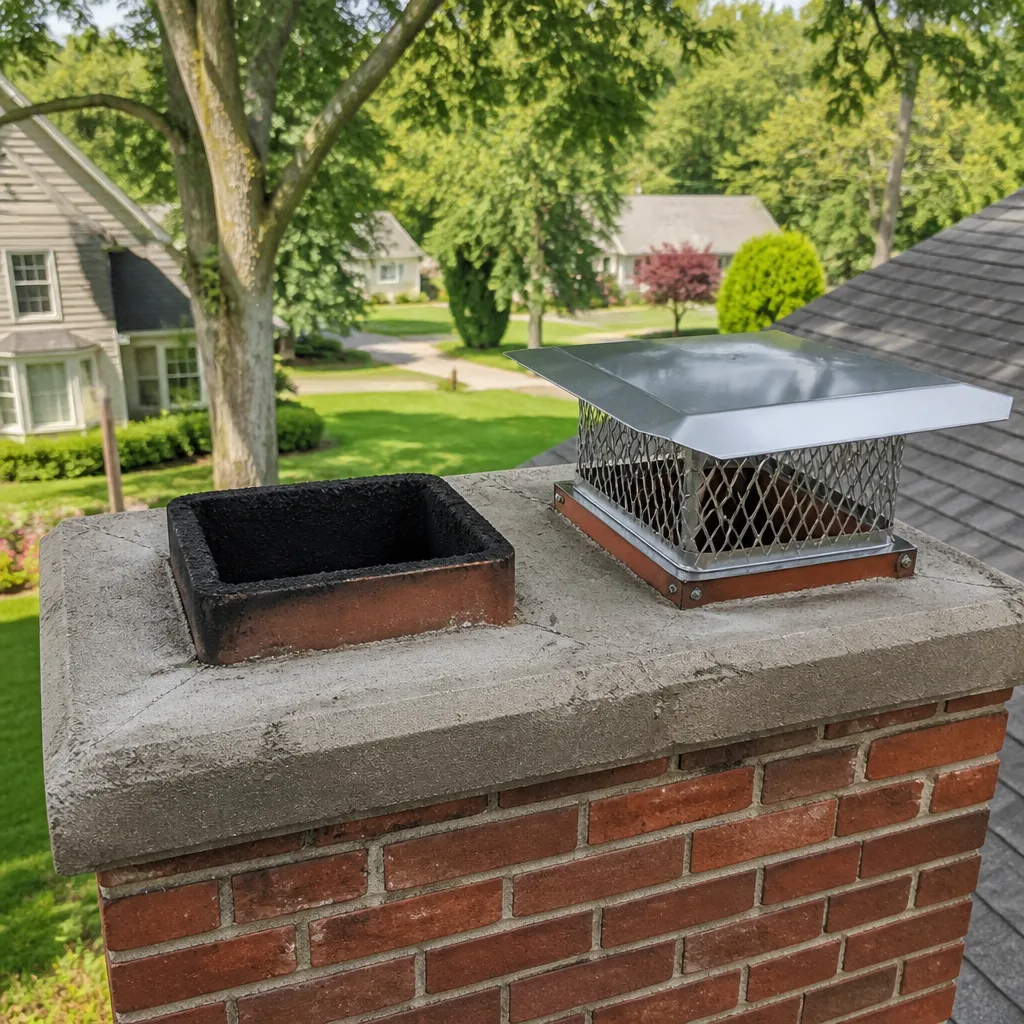
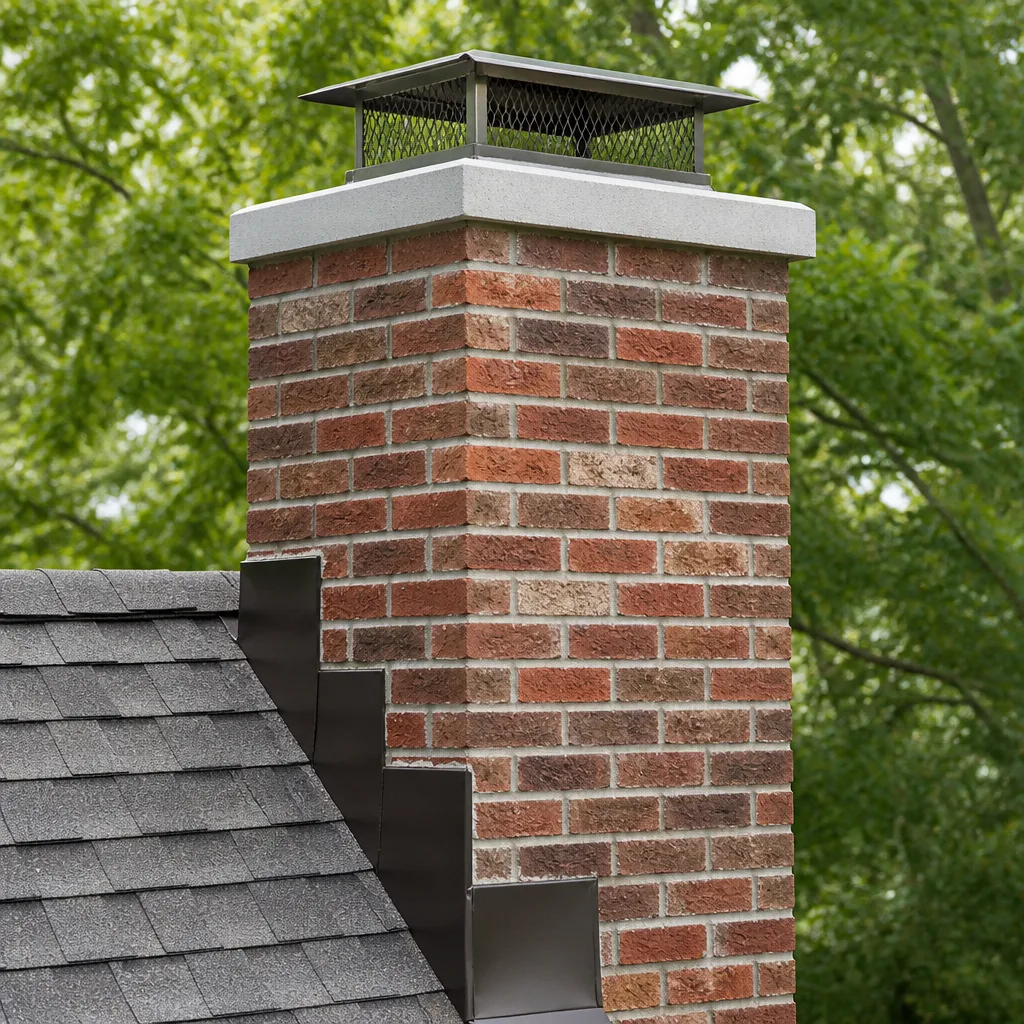
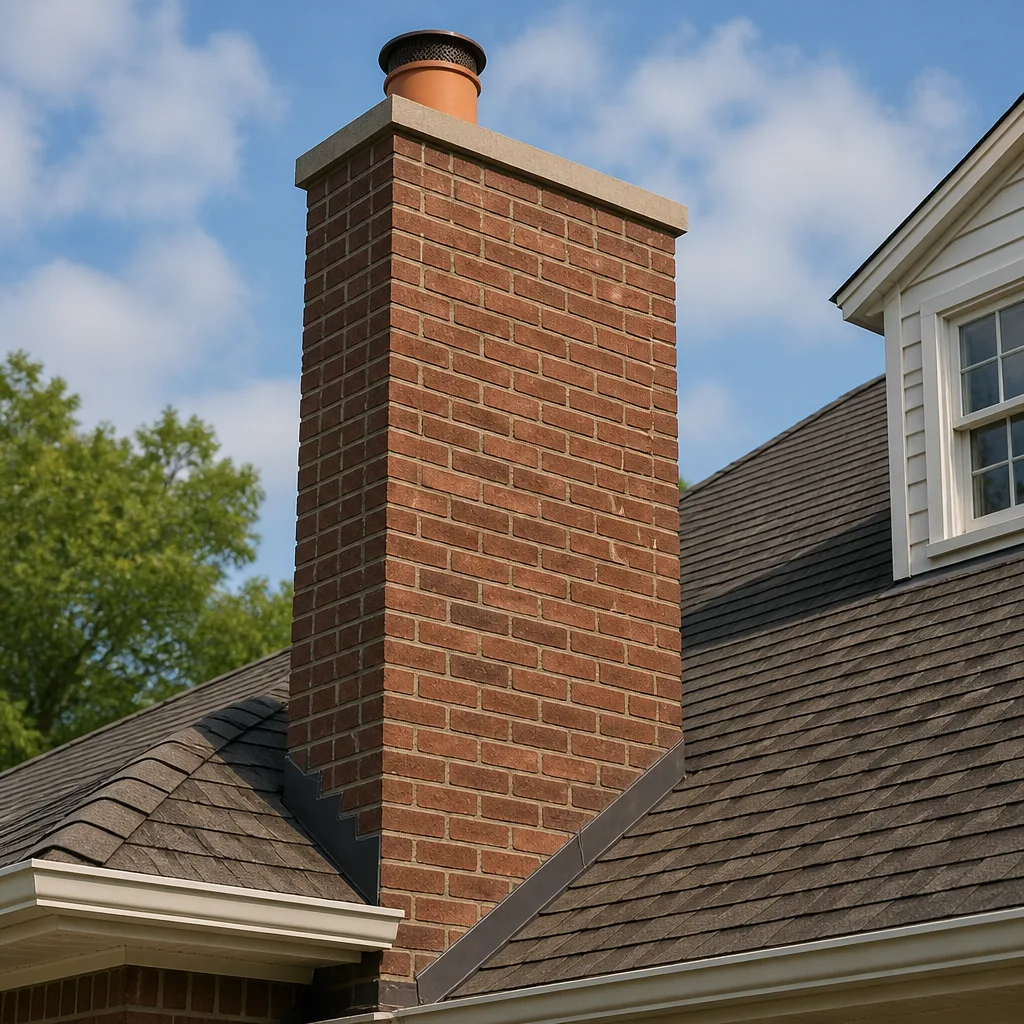
- Crown and cap. Check for a cracked crown coat and a missing or damaged cap, the two most common ways water gets into a Fullerton masonry chimney.
For masonry repair beyond a sweep, professional-grade materials matter. Our chimney repair work uses products from brands chimney specialists actually use, including HeatShield for flue resurfacing. HeatShield lets a deteriorating flue be resurfaced rather than fully replaced in many cases, which is a meaningful option when the brick is sound but the flue surface isn’t. For firebox-side work, we handle fireplace repair as part of the same visit so you’re not coordinating a second contractor.
Track 2: Prefabricated Wood-Burning Systems
Prefabricated wood-burning fireplaces have a metal flue and a chase instead of masonry. They’re common in later Fullerton construction and additions, and their maintenance has a different center of gravity. The flue itself is manufactured and its condition is inspected rather than repointed. The components that fail are more often the ones outside the flue: the chase cover on top, the cap and screen, and the connections where the flue sections join.
Your prefab checklist:
- Chase cover condition. The chase cover is the metal lid over the chimney chase. Rust, standing water, or a gap at the seam lets water into the chase and down around the flue. This is one of the most overlooked items on a prefab system, and it’s a repair, not a cleaning.
- Cap and screen integrity. The cap keeps water and animals out; the screen keeps embers in. Mesh that has torn or pulled loose after a windy season lets birds and debris into the flue.
- Flue section joints. A professional inspects the flue for gaps, corrosion at the joints, and proper alignment.
- Firebox and refractory panels. The firebox panels are rated to take heat; cracked panels need replacement before use.
- Clearance to combustibles. Prefab systems have specific clearance requirements to framing and the chase. An inspection confirms the clearances are intact, which matters if anything has been added around the system.
For caps and covers on prefab systems, purpose-built products do the job better than improvised parts. We install Gelco and Famco chimney caps and covers, which are engineered to prevent water intrusion, animal entry, and draft problems. When a chase cover has failed, replacing it correctly is the difference between a dry chase and a recurring water problem.
Track 3: Gas Insert Systems
This is the track most homeowners get wrong, in both directions. A gas insert has no wood smoke and no creosote, so a sweep is usually not what it needs. But a gas insert is not maintenance-free. Its venting carries combustion byproducts out, its gaskets and seals keep those byproducts in the right place, and its components wear. The maintenance is about the venting and the seals, not the flue interior like a wood-burning chimney.
Your gas insert checklist:
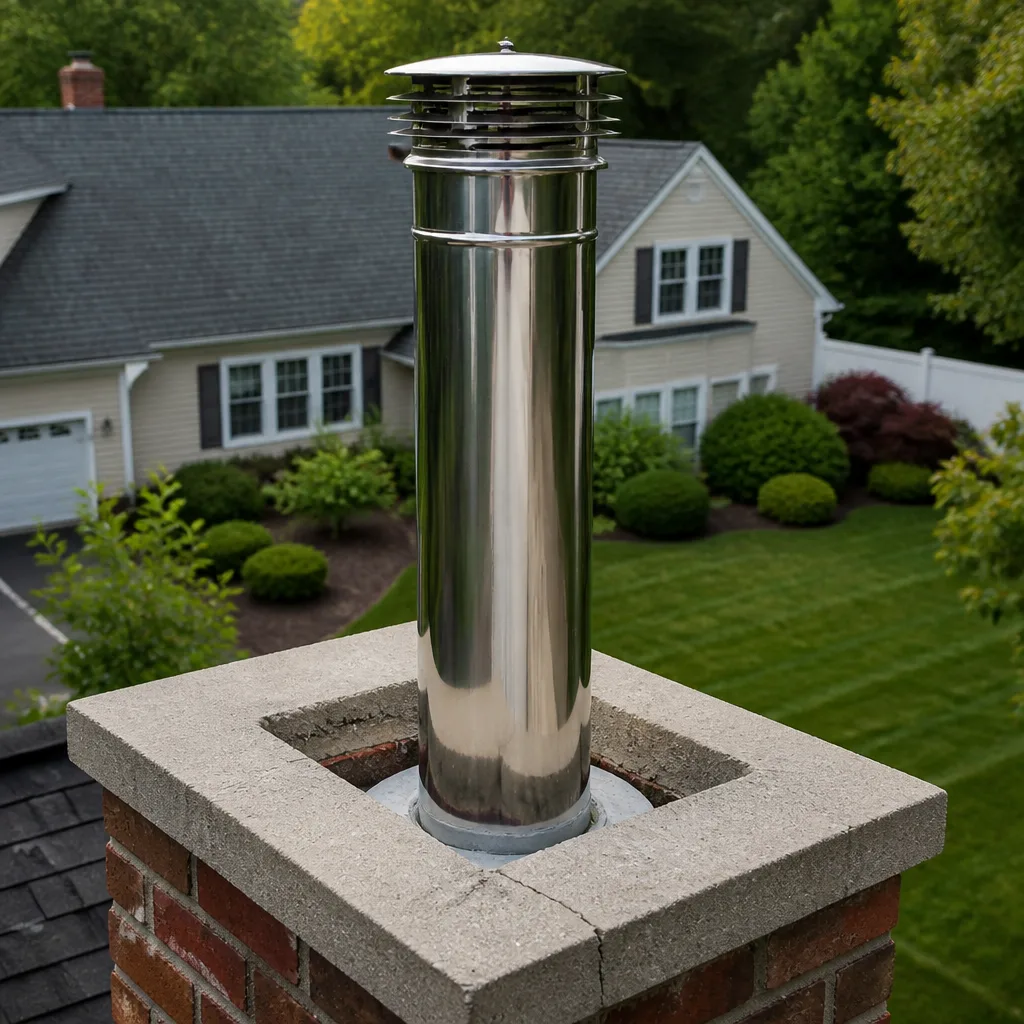
- Venting inspection. The vent should be inspected for blockage, corrosion, and proper termination. A blocked vent is a carbon monoxide concern, not just a performance issue.
- Glass and gasket condition. The glass front and its gasket seal the firebox. A failed gasket can let combustion byproducts into the room instead of up the vent.
- Log set and burner condition. Logs should be positioned as designed; a displaced log can affect combustion and flame pattern.
- Pilot and controls. The pilot, thermocouple, and control components are inspected for proper operation.
- Termination cap and vent screen. The outside termination should be clear of obstruction and its screen intact.
Carbon monoxide is the reason gas insert venting deserves real attention. It’s colorless and odorless, so you can’t detect a problem by smell. An annual inspection that covers the venting is the reliable way to catch a developing issue. If you have a carbon monoxide alarm, keep it working and treat it as the backstop it is. Between inspections, our chimney sweep visit for a wood-burning system includes an inspection element, and for a gas insert the visit is an inspection and component check rather than a sweep. Being clear about which you’re booking saves everyone time.
Visual Checks You Can Safely Do From the Firebox
You can learn a lot about your chimney without getting on the roof or reaching into the flue. All of these checks are done from the open firebox, with the fire out and the unit fully cool. They’re observation, not maintenance. Never reach up past the damper into the smoke chamber, and never get on the roof to check the cap or crown; that work belongs to a professional on a ladder.
Safe checks to do yourself:
- Damper plate. Open and close it. It should move smoothly and seal flush. Note if it sticks, warps, or leaves a gap.
- Smoke chamber staining. Look up past the damper with a flashlight and note the pattern. Heavy, uneven staining or visible soot buildup tells a sweep there’s a deposit problem worth a closer look.
- Firebox mortar. Run a flashlight along the mortar joints between the firebricks. Note any cracked or missing mortar, and the size of the cracks.
- Firebrick surface. Look for spalling, crumbling, or missing brick faces in the firebox.
- Cap and crown from the ground. With binoculars from the yard, note whether the cap is present and intact and whether the crown looks cracked. Don’t climb.
These five checks take about five minutes and give a sweep a head start. What you find becomes the basis for the photos in the next section.
What to Photograph Before You Call a Sweep
A few photos taken before the visit make the service call more efficient and the recommendation more accurate. A sweep who can see what you saw arrives prepared and can confirm or rule out a repair before the appointment. It also gives you a baseline to compare against on the next visit. Photograph in good light, from the same position each time, so a later photo can be compared to the original.
Photograph these before you call:
- The firebox interior, straight on, so mortar joints and firebrick are visible.
- The damper in both positions, open and closed, so the plate and its sealing surface are clear.
- The smoke chamber, looking up past the damper with a flashlight, to show soot patterns and buildup.
- The cap and crown from the ground, zoomed in as far as your camera allows.
- The chase cover, if you have a prefab system, from a safe angle.
- The firebox glass and gasket, if you have a gas insert.
Send those photos with your call and note the date. When a Fullerton homeowner hands over dated photos, the conversation starts from evidence instead of a guess. Nothing gets recommended without a camera inspection during the visit, and a photo report is included so you can see what the technician saw. That’s the standard we hold on every Fullerton Chimney Sweep Pros visit.
Overlooked Items: Chase Covers, Cap Mesh, and Crown Coats
Three items fall through the cracks on most home maintenance lists, and all three are water or animal problems waiting to happen. None of them requires a cleaning to address, which is exactly why they get missed. A sweep visit that isn’t looking for them won’t catch them.
Chase covers on prefab systems. The chase cover is a metal or sheet-goods lid over the chimney chase. It’s out of sight from the ground, and when it rusts or its seams open, water runs down into the chase. That water doesn’t just disappear; it works on the flue connections and the framing around the chase. A chase cover is cheap compared to the water damage it prevents, and it belongs on the inspection checklist for any prefab system.
Cap screen mesh integrity after Santa Ana season. Santa Ana winds push through the region and can tear or loosen the mesh on a chimney cap. A cap with a torn screen doesn’t keep animals out and doesn’t keep embers in. Check the cap from the ground after a windy stretch, and have a professional confirm the screen is intact and secured.
Crown coat condition after rain. The crown is the concrete or masonry top of a masonry chimney, and its coat is what sheds water away from the flue. A cracked or peeling crown coat lets water into the masonry, where it causes spalling and deterioration over time. Look at the crown from the ground after a rain and note any cracks. Crown repair and replacement are part of our cap and crown service, and they address two of the most common sources of chimney water damage, a category many general contractors overlook entirely. We install Gelco and Famco caps engineered for the job, purpose-built rather than improvised.
A Record-Keeping Format for the Life of the Home
A simple record makes every future maintenance decision easier. You don’t need to track much, but what you track should be consistent. Keep one page per chimney, physical or digital, and add to it after every sweep, inspection, or repair. When you sell the home or hand the chimney to a new sweep, that record is the difference between a guess and a plan.
Track these fields for each entry:
- Date of the service.
- System type (masonry, prefab, or gas insert).
- Service performed (sweep, inspection, repair, cap or crown).
- Findings in plain language, with the creosote level if a sweep reported it.
- Repairs made, with the material or brand used (for example, a HeatShield flue resurfacing or a Gelco cap).
- Photos, dated and saved with the entry.
- Next recommended check and what to watch for.
This format works for a single chimney or a home with more than one. It also makes the annual inspection faster because the sweep can see the history instead of starting cold. Over the life of a Fullerton home, that record tells you whether the chimney is stable or slowly changing, which is the real question behind every maintenance decision. Professional-grade materials from brands like DuraFlex and Olympia Chimney, installed on a documented repair, stay documented in the record for the next owner.
Common Mistakes to Avoid
- Treating a gas insert like a wood-burning chimney. A gas insert doesn’t build creosote, so it doesn’t need a sweep the way masonry does. It needs venting and component checks, and skipping those because “no creosote” is a real safety gap.
- Skipping the crown and cap because they’re out of sight. Water damage starts at the top, and it’s the most common cause of chimney deterioration. Check the crown and cap from the ground and let a professional confirm their condition.
- Getting on the roof to check things yourself. The cap, crown, and chase cover are best checked by a trained professional on a ladder. Roof and height work is where most homeowner chimney injuries happen, and it isn’t worth it for a check a pro does in minutes.
- Forgetting the chase cover on a prefab system. A rusted or open chase cover is an active water leak into the chase. It gets missed because it’s on top and out of sight.
- Ignoring a torn cap screen. A torn screen lets birds and debris in and lets embers out. It’s a small fix that prevents a bigger problem.
- Not keeping a record. Without dated entries, every visit starts from zero. The record is what turns maintenance from reactive to planned.
- Treating a recommendation as automatically urgent. Not every finding needs work right away. Ask what can safely wait until the next season and get it in writing.
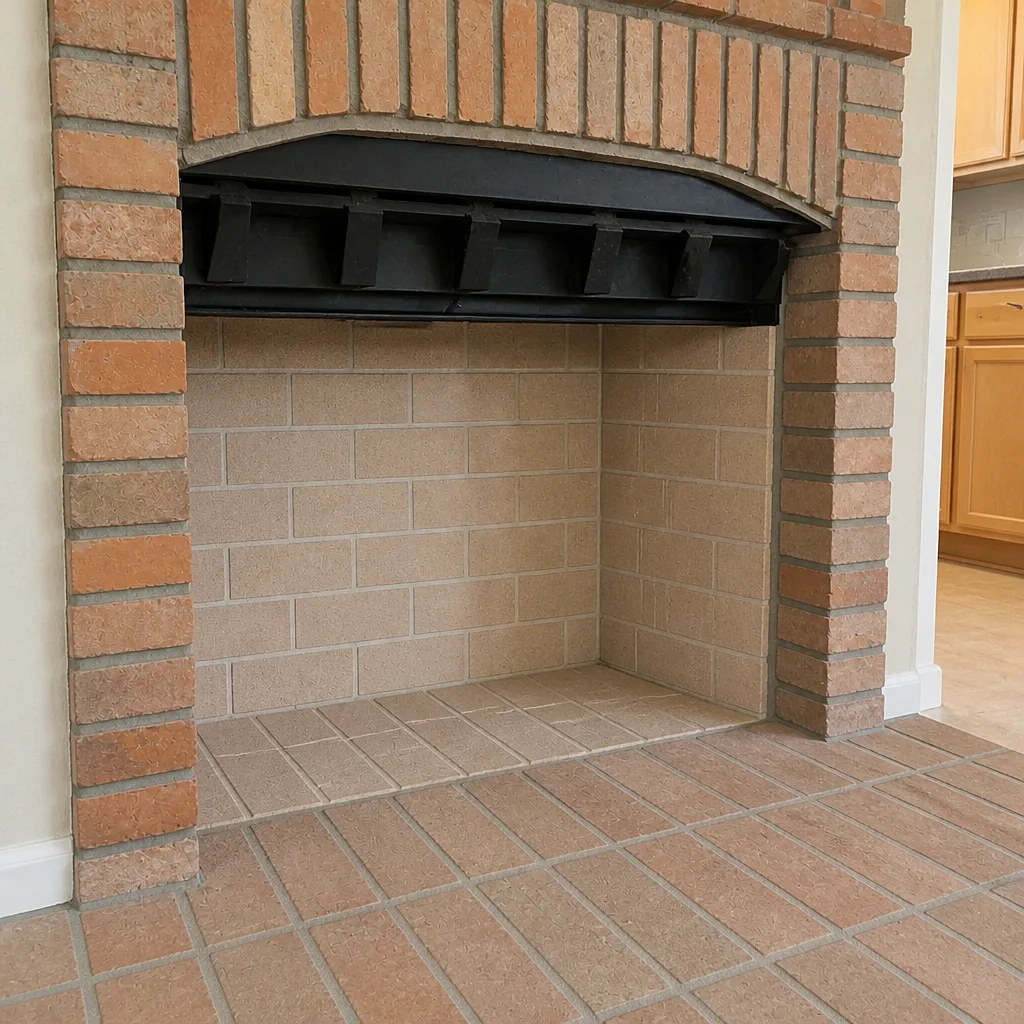
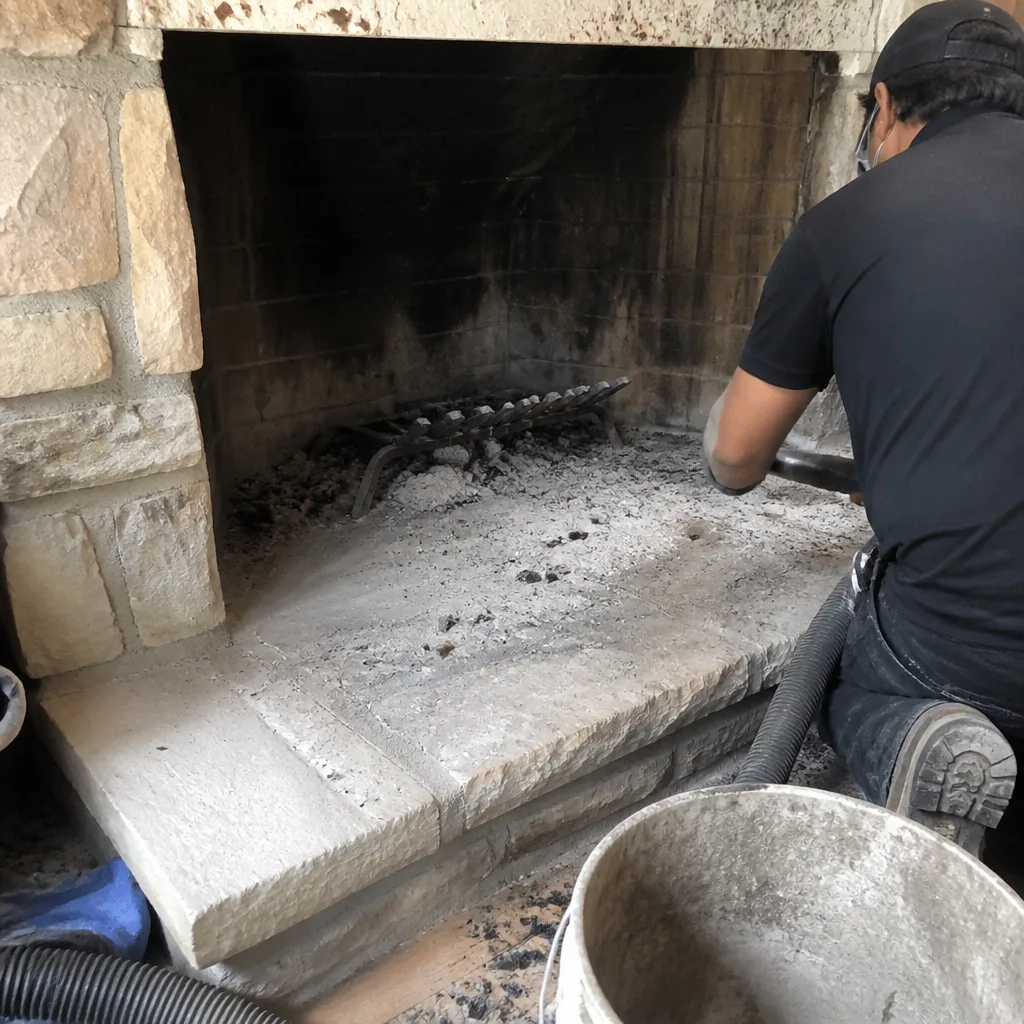
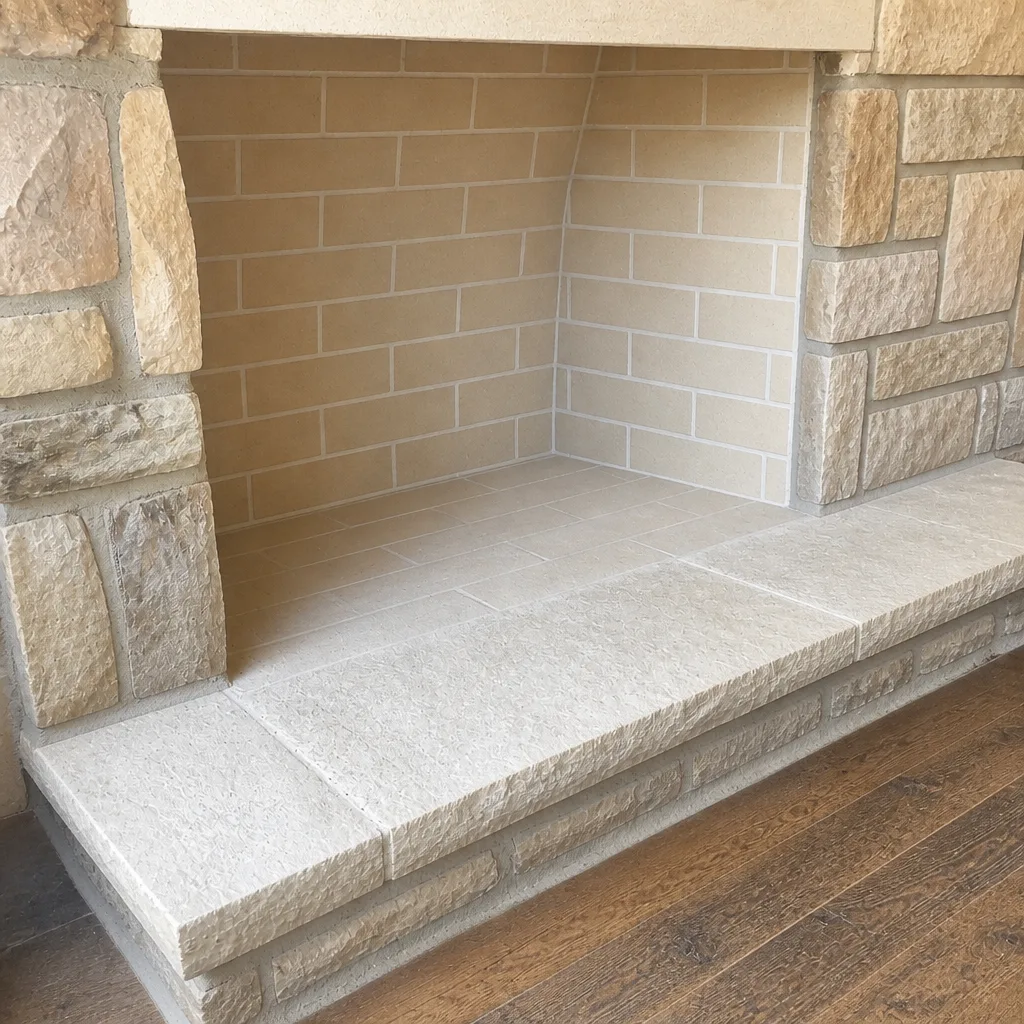
See the difference
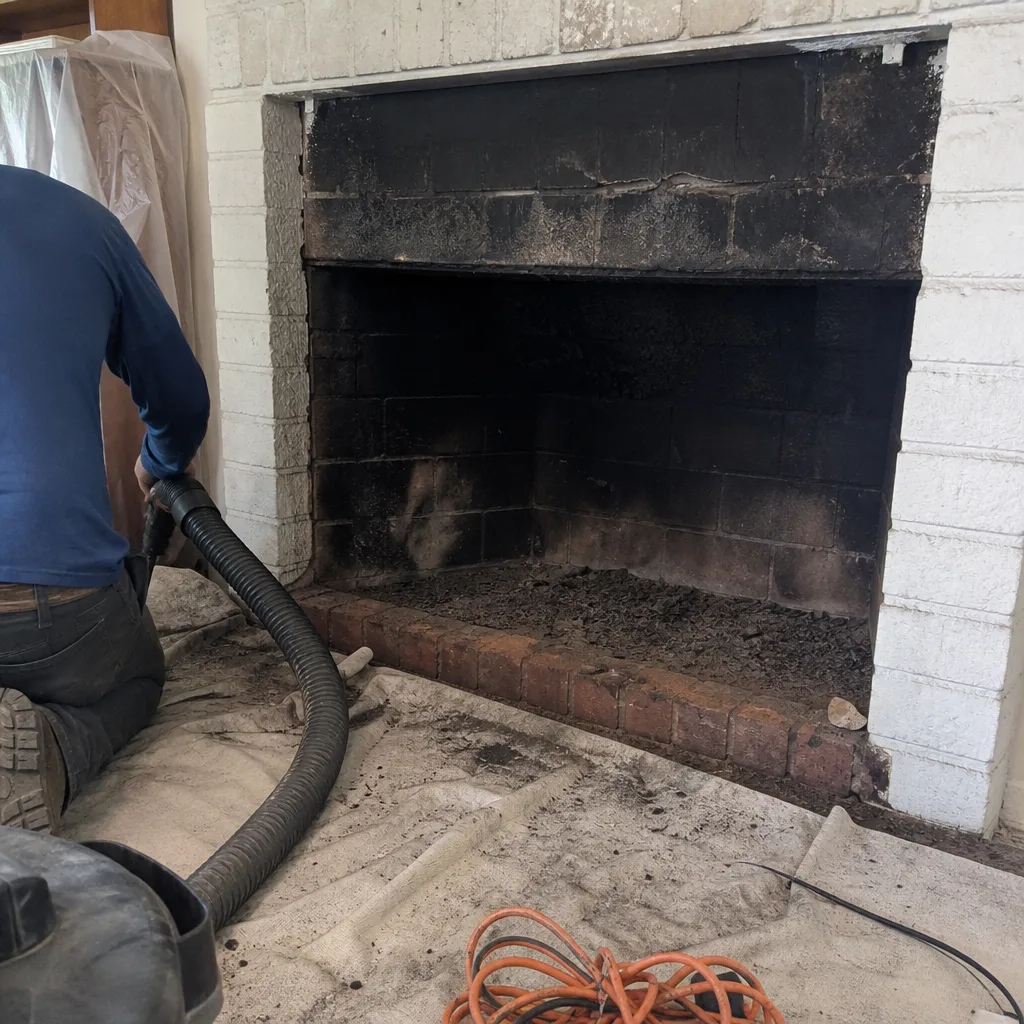 Before
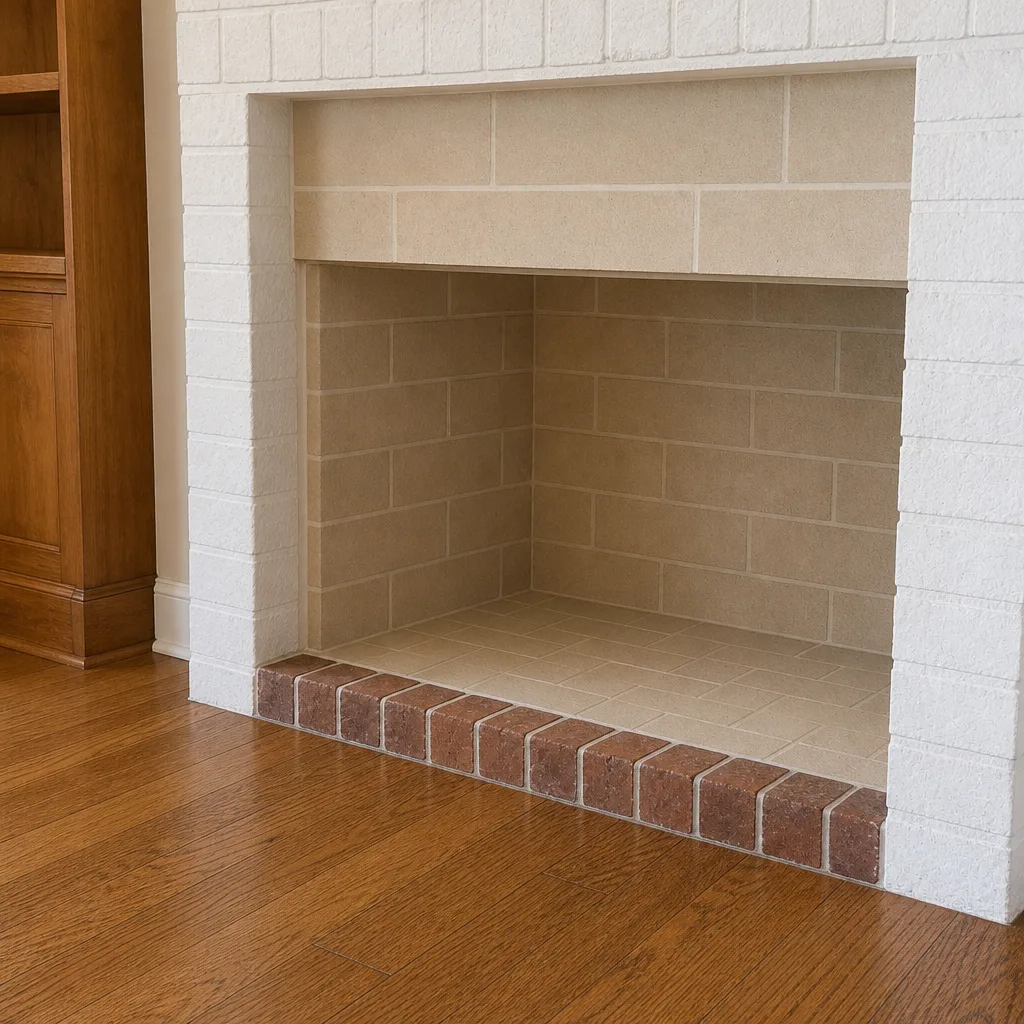 After
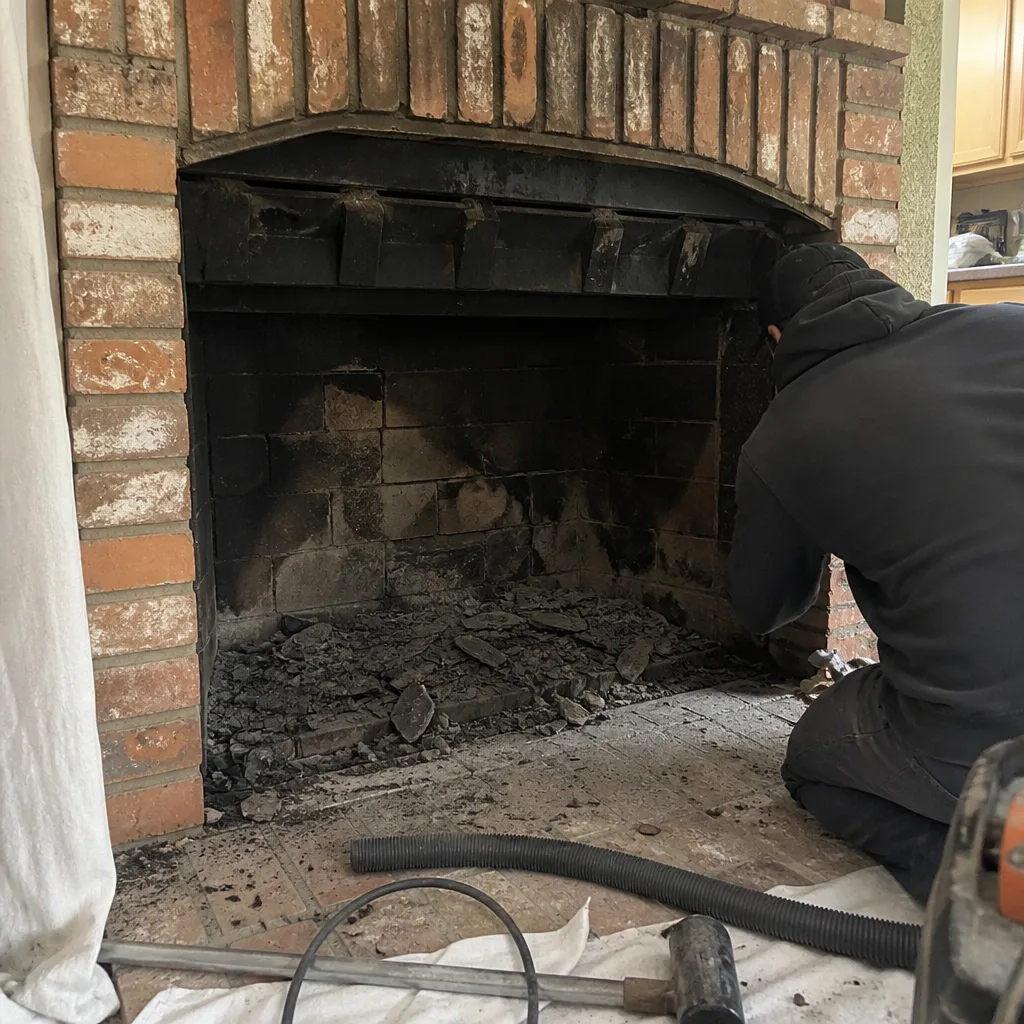 Before
 After
 Before
 After
When to Call a Professional
Call a professional when the firebox shows cracked mortar or spalling firebrick, when the damper won’t seal or won’t open, when you see heavy soot in the smoke chamber, or when the crown or cap looks damaged from the ground. Call before burning season if you haven’t had an inspection in a while, and call any time you suspect a gas insert venting problem or your carbon monoxide alarm sounds. Those are the scenarios where a trained eye matters, and the camera inspection and photo report tell you what’s actually going on. We don’t recommend liner or masonry work without evidence you can see, and we’ll tell you when a repair can safely wait.
Fullerton Chimney Sweep Pros offers free estimates in Fullerton. Call (866) 758-3928. Our technicians have up to 15 years of experience, the estimate is free, and the price is set per job by the written estimate. We answer 24/7. Fast dispatch from 7am to 7pm, Sunday through Friday.
Frequently Asked Questions
A chimney sweep is priced per job by the written estimate, so the exact cost depends on your system and its condition; the estimate is free, so you’ll know the number before anything is booked. The sweep and inspection report are included so you can see what was found. Call (866) 758-3928 for an exact quote – estimates are free.
Not always, and we won’t recommend one without camera evidence you can see for yourself. A deteriorating flue can sometimes be resurfaced with HeatShield rather than fully replaced, and we’ll tell you plainly when a repair can safely wait. The recommendation follows the evidence from the inspection. Call (866) 758-3928 to book an inspection.
A wood-burning chimney should be swept when creosote builds to a level a professional confirms during inspection, and an annual inspection keeps that timeline accurate. A gas insert is usually inspected rather than swept, since it doesn’t produce creosote. The right interval depends on how much you burn and what the inspection finds. Call (866) 758-3928 for an exact quote.
Skipped maintenance lets creosote build up in a wood-burning flue and lets water and animals get into the chimney through a failed cap or crown, and either can lead to a repair that costs far more than a sweep and inspection. A gas insert that isn’t checked can develop a venting problem that affects air quality. The inspection is what catches these early. Call (866) 758-3928 – estimates are free.
You can safely do the firebox-level checks in this guide, like the damper, firebox mortar, smoke chamber staining, and cap condition from the ground. You should not check the flue interior or get on the roof; those need a trained professional. The annual inspection is the professional piece the self-check can’t replace. Call (866) 758-3928 to book it.
Look at the firebox first: a masonry fireplace with a damper and firebrick is the masonry track, a metal firebox in a chase is the prefab track, and a glass-fronted unit with a pilot and logs is the gas insert track. Each has its own checklist in this guide. If you’re not sure, the inspection identifies the system and its condition. Call (866) 758-3928 for a free estimate.
The Bottom Line
The right maintenance checklist for a Fullerton home starts with what you own, not the calendar. Masonry chimneys need sweeping and flue monitoring; prefab systems need chase covers, caps, and flue joints watched; gas inserts need venting and component checks, not sweeps. Your self-checks from the firebox and a set of dated photos make every professional visit more accurate, and a simple record turns a series of appointments into a plan. Inspect first, recommend honestly, repair right. When you need the professional piece, Fullerton Chimney Sweep Pros covers sweeping, inspection, fireplace repair, chimney repair, and cap and crown work in-house. Call (866) 758-3928 for a free estimate. We answer 24/7. Fast dispatch from 7am to 7pm, Sunday through Friday.
Written by the team at Fullerton Chimney Sweep Pros.