
Last updated November 25, 2026
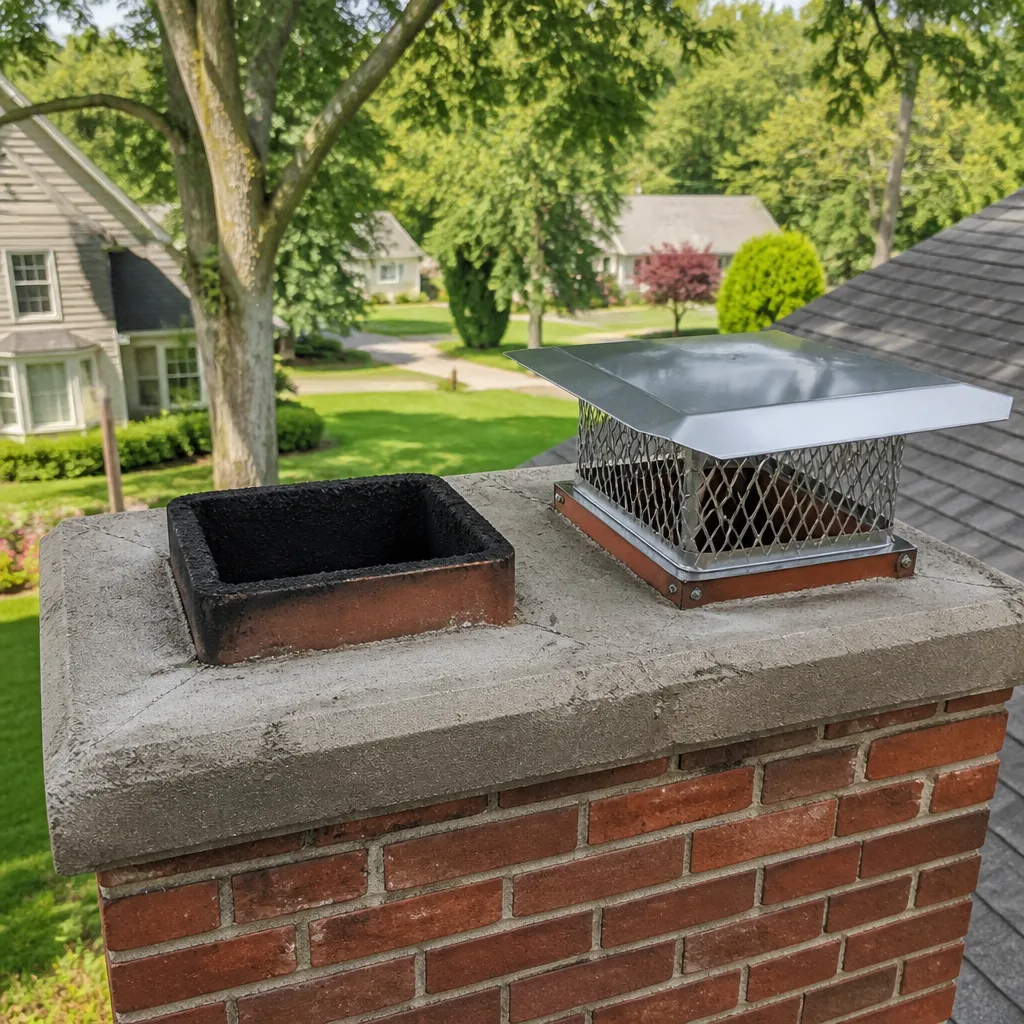 Sweep & inspection
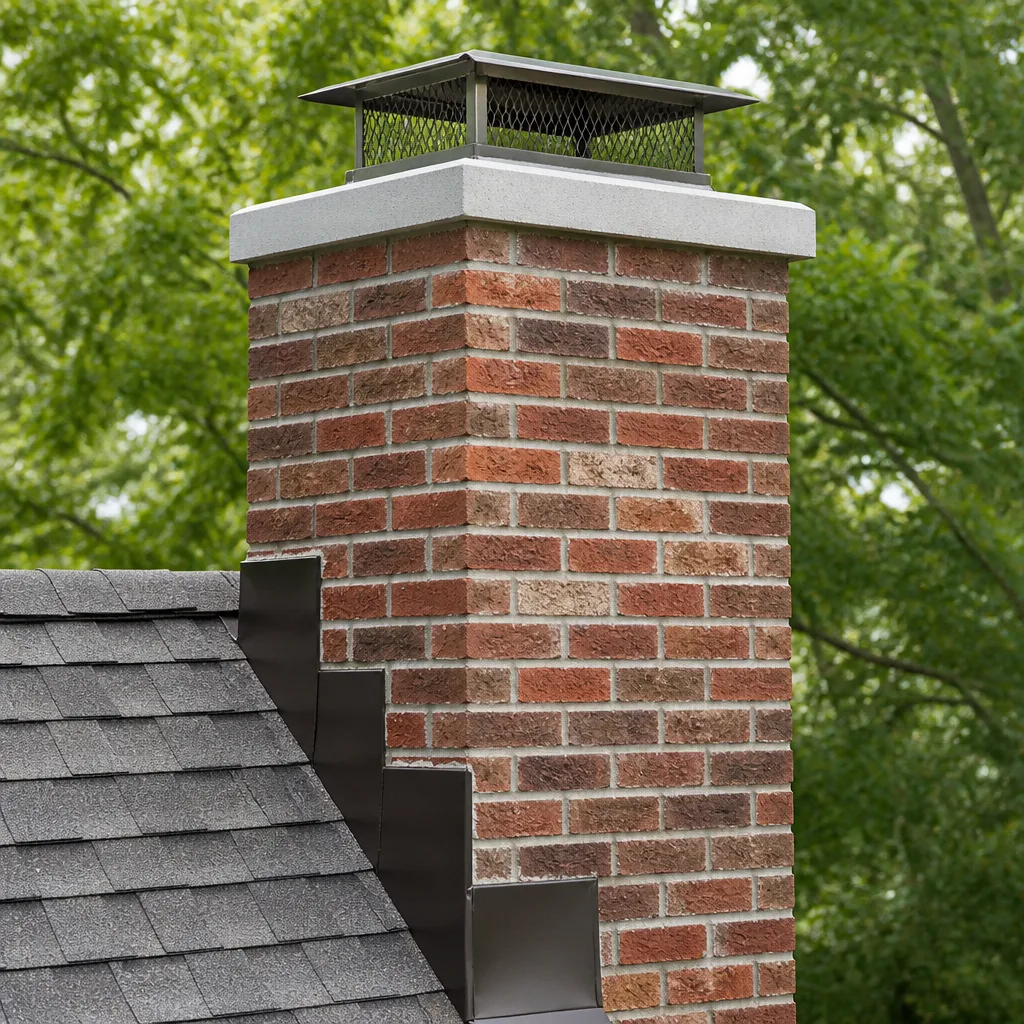 Caps & crowns
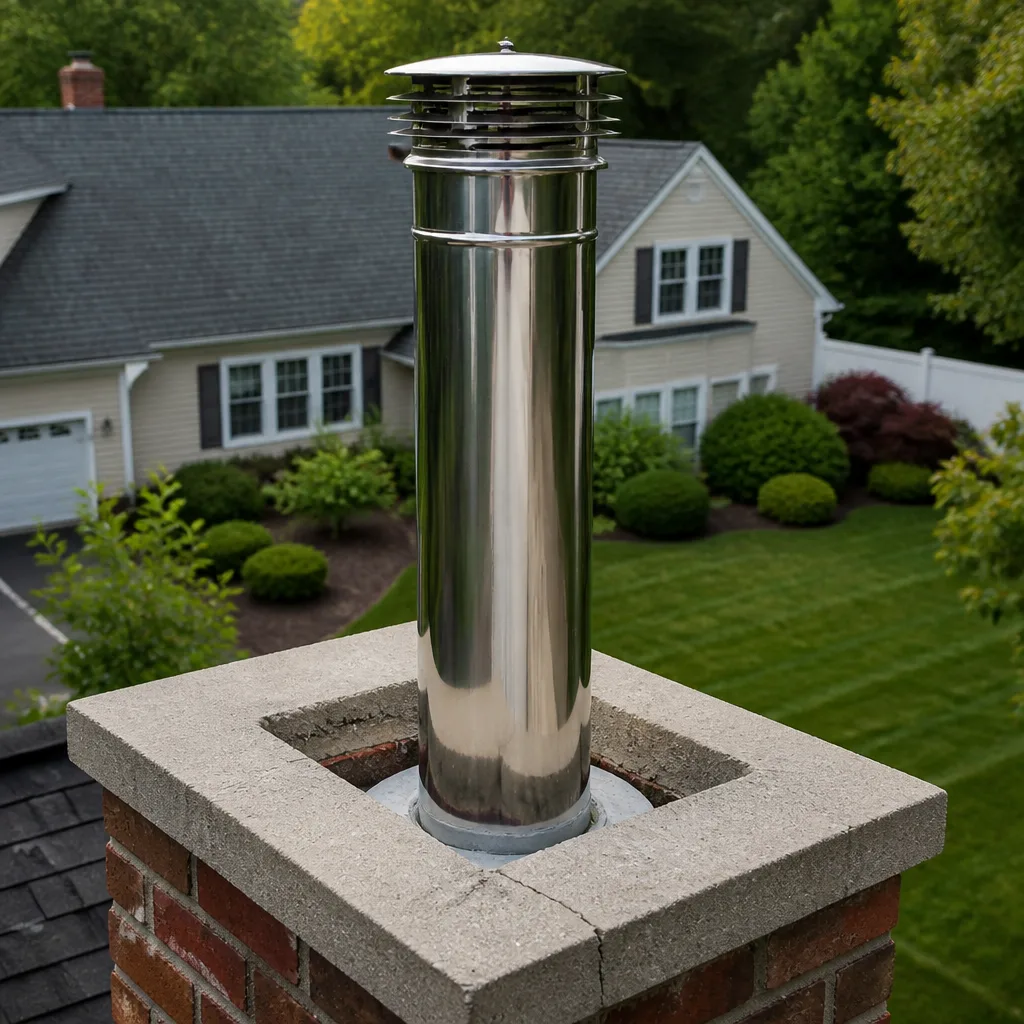 Flue relining
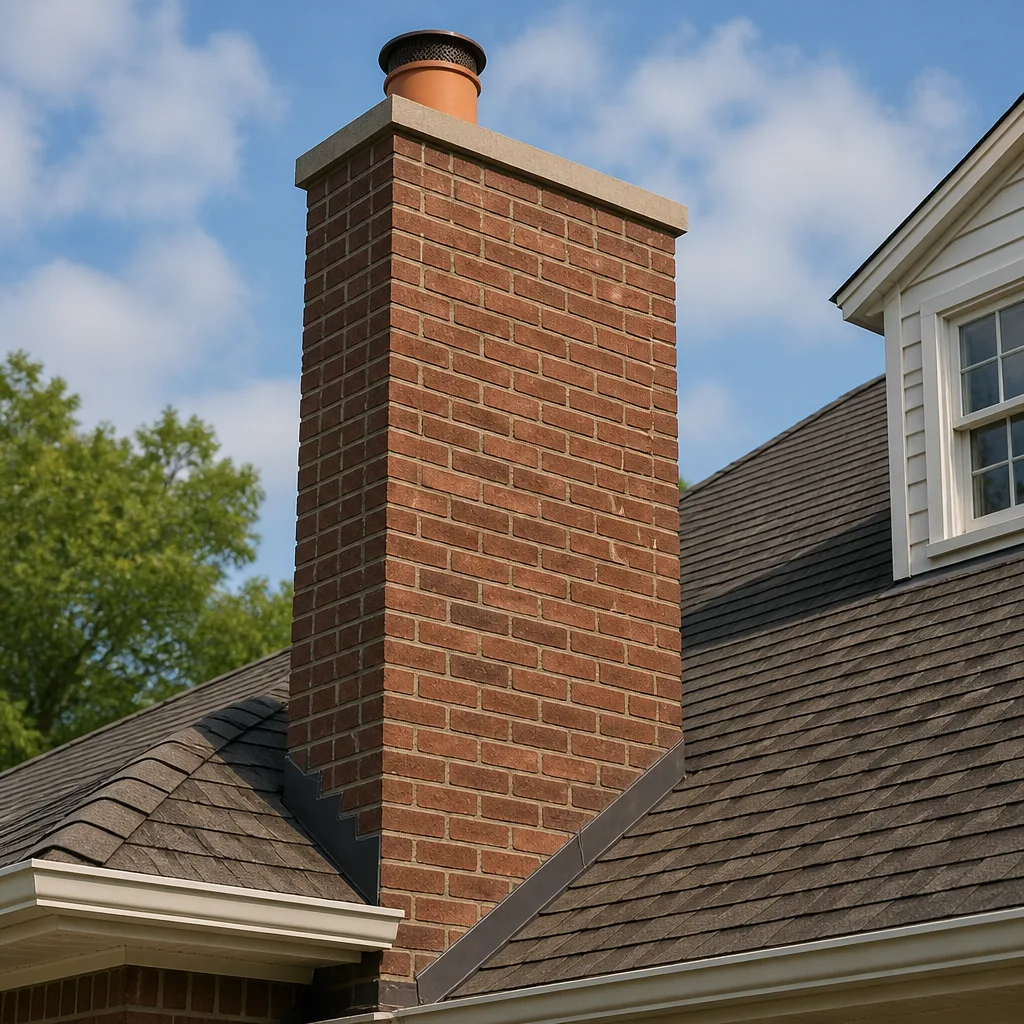 Masonry repair
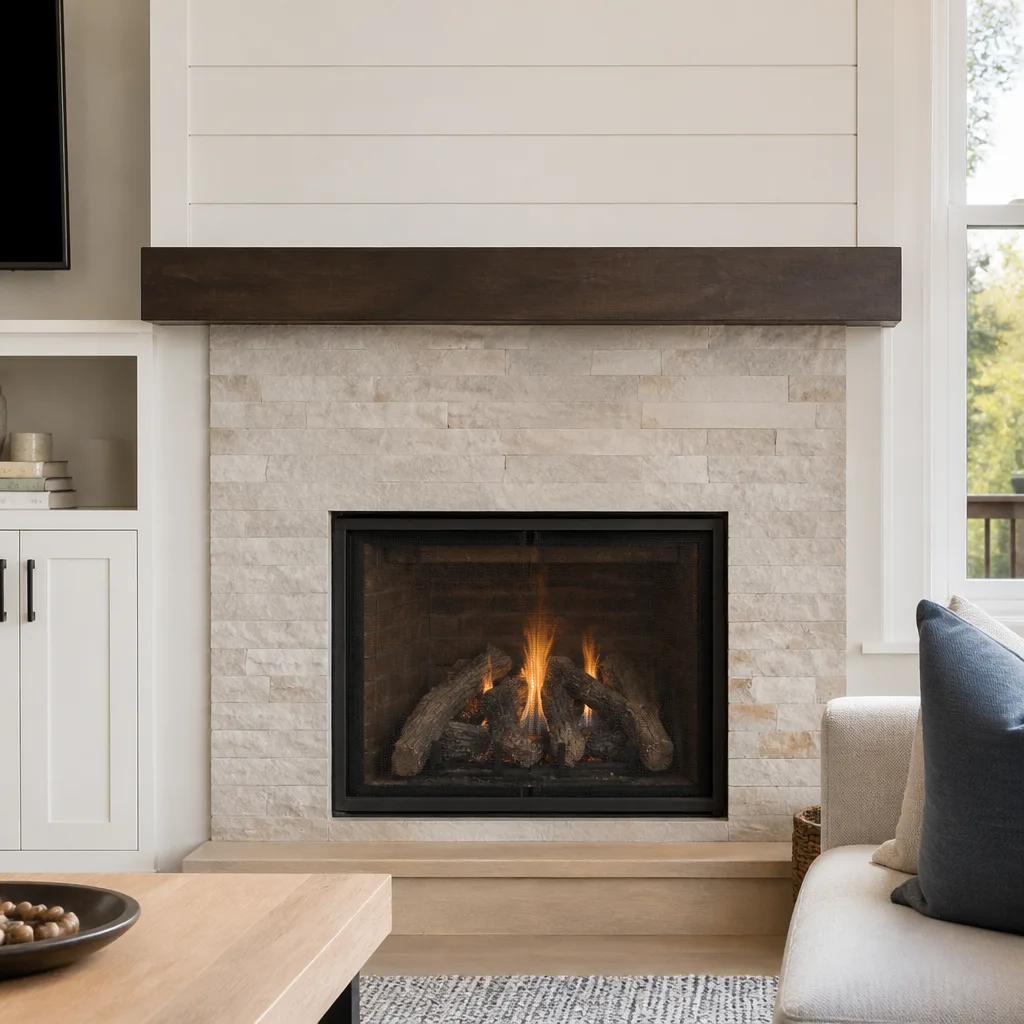 Gas fireplace service
Level 1 sweep and inspection to the NFPA 211 annual standard - flue, crown, cap, and flashing checked and photographed
Chimney sweep logs do not sweep chimneys. They loosen some creosote - which then falls where a brush and vacuum still have to collect it.
DIY vs Professional Chimney Cleaning: The Fullerton Homeowner’s Decision Guide
Here’s the part most chimney articles skip: a careful homeowner with a shop vac, a proper brush set, and a straight single-story flue can absolutely do a serviceable job cleaning their own chimney. The cleaning isn’t usually the hard part. The problem is everything you can’t see from the top of the flue or the seat of the firebox. Creosote glazed onto the smoke chamber walls, a hairline crack running behind the liner, a bird’s nest packed into an offset where no brush will reach it. This guide maps exactly which chimney tasks are genuinely DIY-appropriate and which ones need professional tools, so you can make the call based on what you can actually do, not on fear. We’ll walk through the equipment, the real risks in Fullerton’s climate, and where the smart middle ground sits.
Styles & brands we work with
- Sweep & inspection
- Caps & crowns
- Flue relining
- Masonry repair
- Gas fireplace service
Quick Answer
DIY chimney cleaning works for a lightly used fireplace on a straight, single-story flue with only stage 1 creosote, provided you have the right brushes, drop cloths, and safe roof access. For anything involving glazed creosote, a smoke chamber, video inspection, liner condition, or an older prefab unit, professional cleaning and a Level 2 inspection is the right call. Professional sweeping in Fullerton typically costs far less than a repair caused by a missed problem, and the written estimate sets the final price.
Table of Contents
- What DIY chimney cleaning actually requires
- Where DIY consistently falls short
- Fullerton-specific DIY risks
- The hybrid approach: what you can maintain vs. what stays professional
- How to tell if your DIY cleaning actually worked
- Creosote stages and why they decide everything
- The tools a real cleaning requires (and what most homeowners own)
- Common Mistakes to Avoid
- When to Call a Professional
- Frequently Asked Questions
- The Bottom Line
What DIY chimney cleaning actually requires
A genuine chimney cleaning is a physical, dirty, three-dimensional job, and it starts with equipment most homeowners simply don’t have and won’t buy for one annual occasion. Polypropylene or wire brushes in the correct diameter for your flue, a rod system long enough to reach from the firebox to the flue cap, a heavy-duty shop vac with a HEPA filter, sealed drop cloths, a proper respirator, and safe roof access are the minimum. A straight single-story flue is the realistic ceiling for a homeowner working alone. Multi-story chimneys, offsets, or exterior chimneys push the difficulty up sharply.
The physical access question is the one that sinks most DIY attempts. You need to reach the flue cap safely to remove it and re-seat it, work from an anchored position on the roof, and control dust in the living space below. Working from a ladder braced against a chimney is never safe, and no cleaning is worth a fall. Beyond the equipment, skill matters: knowing how much pressure to apply with a brush so you don’t damage a clay flue liner or a stainless steel liner, how to recognize when creosote has bonded into a glaze rather than a fluffy powder, and how to keep soot contained. Those judgments come from repetition.
If your chimney is a straight run with light use and you have the equipment and safe access, DIY is reasonable. If your flue is angled, offset, on a two-story wall, or lined with anything but a clean straight liner, the honest answer is that professional cleaning is the practical route. Our technicians have up to 15 years of experience identifying exactly these conditions before the work starts.
Where DIY consistently falls short
Three specific tasks defeat a homeowner’s best efforts, and they’re the same three that matter most for fire safety. DIY cleaning removes loose soot and stage 1 creosote reasonably well on an accessible flue. Everything beyond that is where a professional with proper tools and a camera earns their keep.
- Stage 2 and stage 3 creosote removal. Stage 2 creosote is a hardened, flaky deposit that a standard brush won’t fully lift. Stage 3 is a glazed, tar-like coating fused to the flue wall, and it’s the most combustible. Removing it takes rotary equipment and, in some cases, chemical treatments that professionals are trained to apply. A homeowner brushing stage 3 is often just polishing the surface.
- Smoke chamber inspection. The smoke chamber, the angled area above the damper and below the flue, is where creosote accumulates and builds up into a fire hazard that a brush from the top or bottom can’t reach. Professionals sweep the smoke chamber and inspect it because it’s a genuine ignition point.
- Liner condition assessment without video equipment. You cannot know whether a liner has cracked, separated at a joint, or deteriorated internally by looking at it from the firebox. A camera inspection is the only reliable way to see the full run of the flue, and it’s the foundation of a Level 2 inspection.
If you want the safety and the traceable record of what was found, a professional chimney sweep handled by Fullerton Chimney Sweep Pros includes camera work and a photo report you can actually look at. That report answers the question “how do you know?” before you spend money on repairs.
Fullerton-specific DIY risks
Fullerton sits in a mild-winter climate, which changes some of the math but none of the safety. The local conditions that matter most for a DIY attempt are wind, animal intrusion, and the age of the housing stock.
- Santa Ana wind conditions. Fullerton sees strong, dry Santa Ana winds push through in the fall and winter. Working on a rooftop in gusty conditions is where homeowner chimney attempts turn into falls and dropped tools. If the wind is up, the roof is not the place to be, full stop. Wait for a calm day or book the job.
- Animal nesting debris misread as creosote. Fullerton’s mild winters mean birds, squirrels, and other animals use open flues year-round. A nest packed into the flue can look like accumulated debris, and a homeowner pushing a brush down on top of it can jam the flue, damage the liner, or send a mass of nesting material and soot into the firebox. A proper inspection with a camera distinguishes nesting material from creosote before anything gets pushed around.
- Disturbing asbestos rope seals in older prefab units. Some older prefabricated fireplace units use rope gaskets and seals that may contain asbestos. A homeowner cleaning without knowing the unit’s construction can disturb and release fibers. This is one of the strongest reasons to have a professional identify your unit type before any cleaning. If your prefab is older, don’t brush it blind.
Add the routine hazard of carbon monoxide: a blocked or damaged flue vents combustion gases back into the home. Any cleaning that reduces draft or leaves debris behind is a carbon monoxide risk. We’d rather you check first than guess.
The hybrid approach: what you can maintain vs. what stays professional
The most sensible answer for a Fullerton homeowner isn’t “always DIY” or “never touch it.” It’s a hybrid, with a clear line between keeping up and taking on. Here’s the honest division of labor.
What you can legitimately do between professional visits:
- Keep the firebox clear of ash and leftover debris after each season.
- Verify the damper opens and closes smoothly.
- From the ground, check that the flue cap is intact and in place, and that no branches or debris are resting on the cap.
- Watch for signs of water intrusion around the firebox, damper, or hearth during the rainy season.
- Burn dry, seasoned wood and avoid smoldering fires, which produce far more creosote.
- Keep the area around the hearth clear of combustible items.
What should always be a professional task:
- Any cleaning that requires roof access or removing the flue cap.
- Removal of stage 2 or stage 3 creosote.
- Smoke chamber sweeping.
- Camera inspection of the liner.
- Any work on an older prefab unit or a liner that may be deteriorating.
- Anything involving a masonry crown, cap replacement, or a visible crack.
For fireplace-side issues inside the home, our fireplace repair handles damper, firebox, and prefab problems; for the larger structure, chimney repair covers masonry, crowns, and liner work. One company handling the full span is why “one call, every part of the chimney” matters on a hybrid maintenance plan. Our technicians have up to 15 years of experience in Fullerton homes and know the difference between a unit that needs a cleaning and one that needs a closer look.
How to tell if your DIY cleaning actually worked
You can’t grade your own homework on a chimney. But there are specific checks you can make that reveal whether a cleaning was effective, and a few that should send you straight to a professional regardless of how careful you were. Use these after a DIY attempt.
- Look up the flue with a bright light. A clean flue shows uniform walls with no visible soot streaks, heavy patches, or glossy areas. Any shiny, tar-like surface is stage 3 creosote and means your brush didn’t really clean it.
- Do the draft test. Light a small fire and watch the smoke. If it rolls out of the firebox instead of rising cleanly up the flue, draft is compromised, and something is blocking it or the cleaning failed to remove debris.
- Check the firebox and damper for soot fallout. Soot stains around the damper or on the smoke shelf usually mean the smoke chamber wasn’t reached or the flue cap wasn’t properly re-seated.
- Watch for animal activity. Birds flying to the cap, nesting material in the firebox, or new debris after a cleaning means the flue was never cleared or the cap isn’t doing its job.
- Notice smells and smoke in the room. A persistent smoky or creosote smell in the house, or smoke entering the room with the damper open, is a signal the job isn’t done.
If any of those show up, it’s time to stop and call a professional. The chimney system is a closed system; a small gap in the cleaning is a small gap in the draft. We’ve seen enough DIY jobs to know the “I think it’s fine” stage usually masks something worth fixing.
Creosote stages and why they decide everything
Creosote is the real subject of any chimney cleaning debate. It’s a byproduct of incomplete wood combustion, and it deposits on the flue walls in three distinct degrees of severity. Which stage you have determines whether DIY cleaning is possible or pointless.
| Stage | What it looks like | DIY? | Removal |
|---|---|---|---|
| Stage 1 | Fluffy, soot-like, easily brushed from flue walls | Possible with the right brush and access | Standard brush |
| Stage 2 | Hardened, flaky, crust-like patches bonded to the flue | No | Rotary brush or professional tools |
| Stage 3 | Glazed, tar-like, shiny coating fused to the flue | No | Specialized treatment (chemical or mechanical) |
Following the stage chart, a homeowner whose chimney has only stage 1 deposits and a straight single-story flue is genuinely in the DIY zone. Anything at stage 2 or 3 is not a brushing job; it’s a safety job. The reason professional cleaning uses camera inspection is that the stage of creosote isn’t visible from the firebox, and the flue you think is clean may have a glazed section halfway up. Fullerton winters are mild, but the creosote from fall and winter fires is as combustible here as anywhere. If you’ve never had the flue inspected by camera, you don’t know your stage.
The tools a real cleaning requires (and what most homeowners own)
A meaningful comparison comes down to tools. Here’s what professional-grade chimney work actually uses, and what a homeowner realistically owns. Our crews work with brands such as DuraFlex, HeatShield, Gelco, and Olympia Chimney, which are the kinds of materials specified by chimney professionals because they hold up and are engineered for the job.
- Brush and rod system sized to your flue. A professional carries multiple diameters and types. A homeowner with one brush works only on the flue it fits.
- Rotary and powered sweepers. Needed for stage 2 and 3 creosote and for reaching irregular flue surfaces.
- HEPA-grade vacuum and dust containment. The difference between a clean living room and a soot-covered one.
- Inspection camera and lighting. The tool that turns “I think it’s clean” into a documented condition report with photo evidence.
- Liner resurfacing materials. HeatShield is used by professionals to restore deteriorated flues without a full liner replacement. This is not a consumer tool.
- Cap and crown installation parts. Purpose-built Gelco and Olympia Chimney caps and covers are engineered to prevent water intrusion, animal entry, and draft problems long-term, not just to cover the hole for a season.
- Fall protection and roof access gear. Non-negotiable on a two-story or steep roof, and often the difference between a safe cleaning and a serious injury.
If you’re buying more than a few of these for a single annual cleaning and still can’t inspect the liner, the math is already telling you something. Professional equipment makes sense when the job is a service, not a hobby. Our technicians have up to 15 years of experience using these tools correctly.
Common Mistakes to Avoid
- Using a brush that’s too small or too stiff. An oversized stiff brush can crack a clay flue tile or scratch a stainless liner. Match the brush diameter to the flue every time.
- Working on the roof in Santa Ana winds. Fullerton’s fall and winter gusts are the exact conditions that turn a cleaning into a fall. If the wind is up, wait for calm weather or book a professional.
- Assuming a dry-looking flue has no creosote. Stage 3 glazed creosote can be hard, shiny, and completely invisible from the firebox. Only a camera inspection confirms the flue is clear.
- Disturbing an older prefab unit without identifying the seals. Rope gaskets and seals in some older prefab fireplaces may contain asbestos. Don’t brush a unit if you don’t know what’s in it.
- Skipping the smoke chamber. Sweeping the flue from top to bottom leaves the smoke chamber above the damper untouched, and that’s where creosote buildup causes fires.
- Cleaning without a Level 2 inspection first. A cleaning on top of an uninspected liner hides its condition rather than improving it. Inspection comes before cleaning.
- Forgetting to re-seat the flue cap. An improperly seated or missing cap is an open door for rain, animals, and draft problems. A lot of “cleaned” chimneys get a bad cap and a new leak.
When to Call a Professional
Call a professional the first time you see stage 2 or stage 3 creosote, smell smoke coming into the room, notice a cracked or damaged flue tile, see soot on the firebox face, or find nesting material in the firebox. Call if your chimney is on a steep or two-story roof, if it’s an older prefab unit, if the liner is older, or if you’ve never had a camera inspection. Call before burning season begins if you’ve never had a Level 2 inspection and don’t know the condition of your furnace vent or fireplace flue. The cost of a professional sweep is small money compared with a liner or masonry repair that a missed inspection would have caught earlier. One additional item: never call a handyman who happens to own a ladder. Chimney work needs a specialist who is licensed and insured as their state requires, and who works with professional-grade equipment. That’s the whole reason to call a specialist instead of a generalist.
Fullerton Chimney Sweep Pros offers free estimates in Fullerton. Call (866) 758-3928. We answer 24/7. Fast dispatch from 7am to 7pm, Sunday through Friday. The written estimate sets the final price, and nothing is recommended without camera evidence you can see for yourself.
Frequently Asked Questions
A standard chimney sweep in Fullerton is typically billed as a per-job estimate, and the written estimate sets the final price. A more involved cleaning with stage 2 or 3 creosote removal, a Level 2 camera inspection, or a liner issue will price higher than a routine sweep of a clean single-story flue. Call (866) 758-3928 for an exact quote; estimates are free.
Probably not, and that’s exactly why we put the camera in the flue before recommending anything. Many deteriorating flues can be restored with a professional resurfacing system like HeatShield rather than a full liner replacement. Nothing is recommended without video evidence you can see for yourself, and we tell you plainly when a repair can safely wait. Call (866) 758-3928 for a free estimate.
Most homes should be swept and inspected annually, which is the industry standard for a fireplace in regular use. If you burn heavily or use green or unseasoned wood, or if you notice a strong creosote smell, a mid-season inspection is worth it. The right interval depends on your fireplace and your fuel, which is why a quick inspection first is the practical starting point. Call (866) 758-3928 for a free estimate.
Creosote accumulates on the flue walls with every fire, and at stage 2 and stage 3 it becomes the fuel for a chimney fire. A blocked or damaged flue also vents carbon monoxide back into the home, which is the serious risk. Skipping a cleaning doesn’t create a new problem; it lets an existing buildup get more dangerous. Call (866) 758-3928 for a free estimate.
Yes, if the deposits are only stage 1, the flue is straight and accessible, and you have a properly sized brush, dust containment, and safe roof access. It becomes a professional job the moment the flue is offset, the creosote is glazed, or the unit is an older prefab that could have a rope seal. If you’re not sure, have the flue inspected first.
A cleaning should always follow a Level 2 inspection, and in our practice it does. The inspection is what tells you whether the liner is intact, whether the smoke chamber needs sweeping, and whether a repair is actually needed or can safely wait. A cleaning without an inspection is just brushing the surface. Call (866) 758-3928 for a free estimate.
The Bottom Line
DIY chimney cleaning is a real option for a Fullerton homeowner with a simple, straight, single-story flue and light stage 1 deposits. It stops being a sane option the moment there’s glazed creosote, an offset, an older prefab unit, or you can’t see the liner. The hybrid model is the honest answer: you handle the low-risk maintenance between visits, and a professional handles the cleaning, inspection, and any repair that requires camera evidence. A sweep and inspection is the cheapest insurance against a liner or masonry bill, and a professional-grade repair lasts rather than patching to pass. Inspect first, recommend honestly, repair right. That’s what Fullerton Chimney Sweep Pros is here for, and a free estimate tells you where you actually stand. For a full look at the range of work, from sweeping to Fullerton Chimney Sweep Pros services, or to book a visit, call (866) 758-3928. We answer 24/7. Fast dispatch from 7am to 7pm, Sunday through Friday.
Written by the team at Fullerton Chimney Sweep Pros.
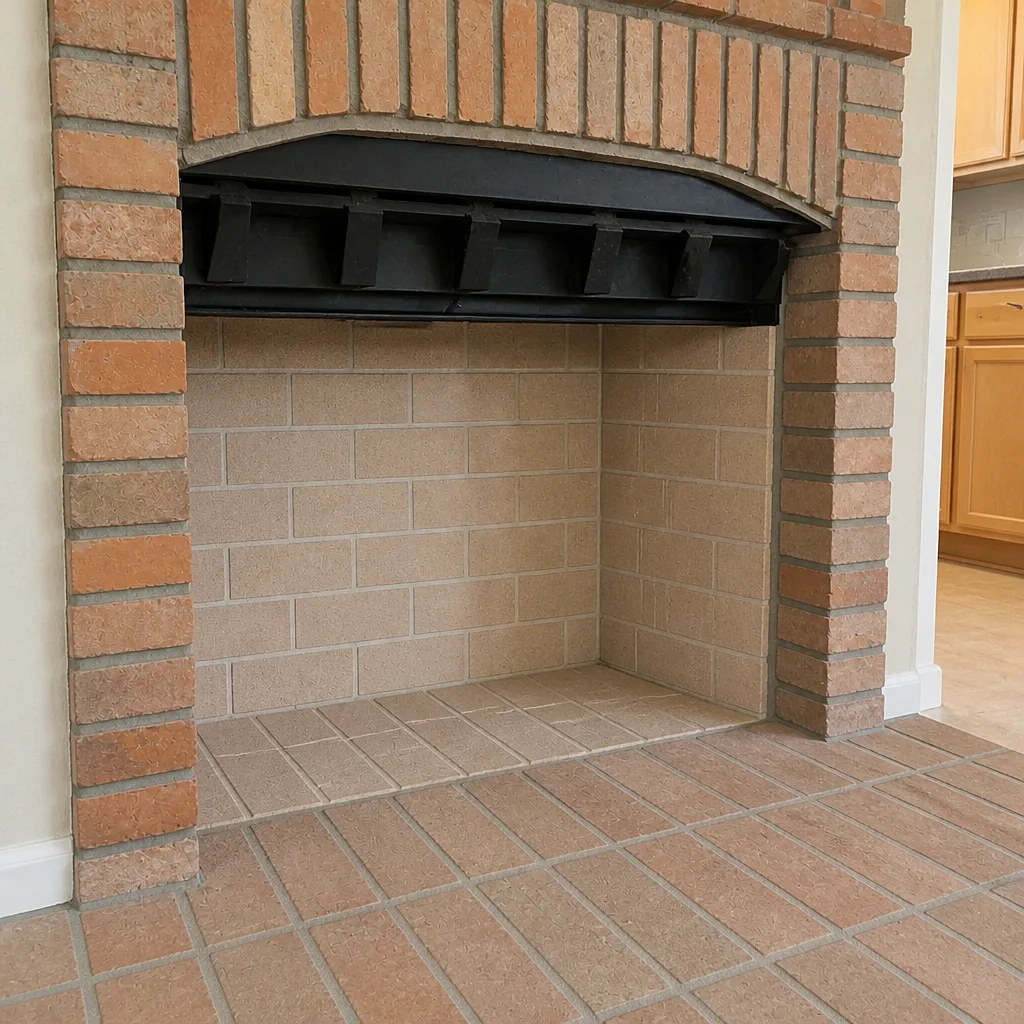
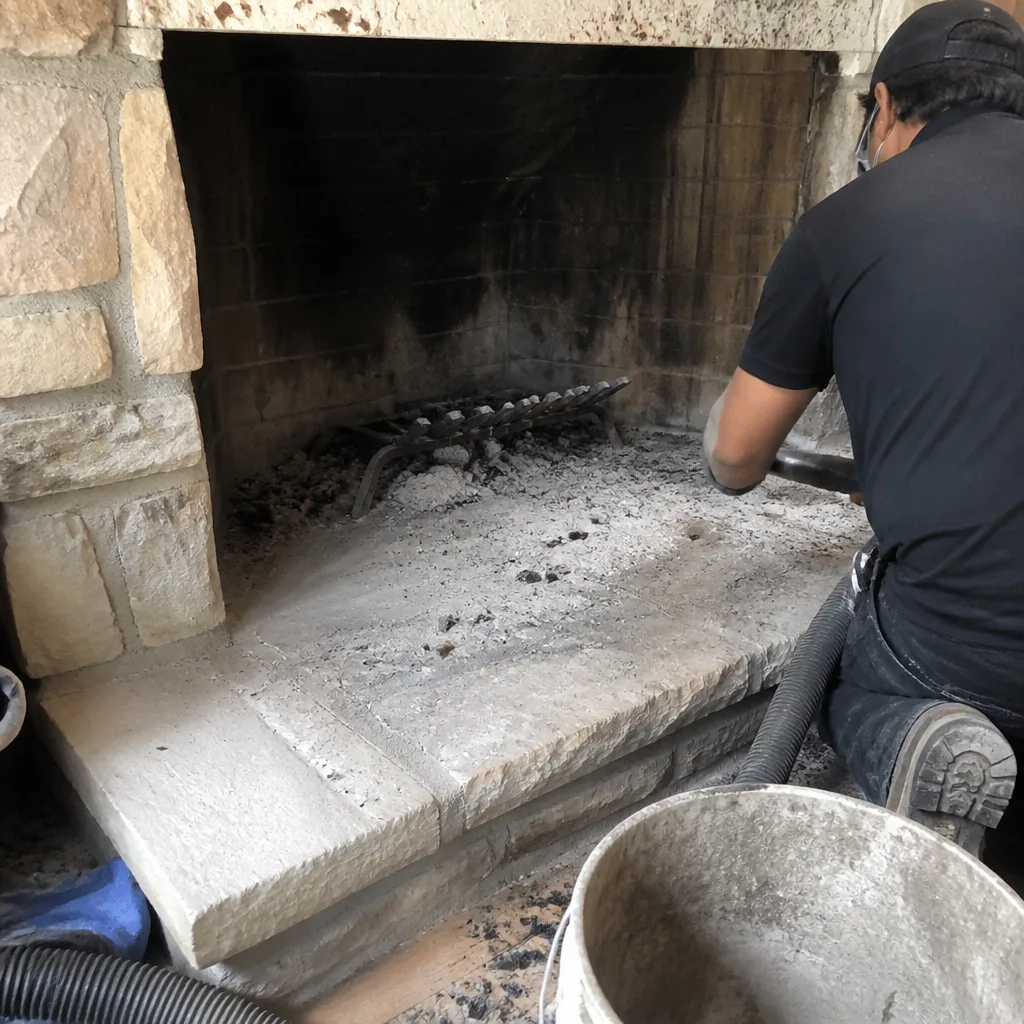
See the difference
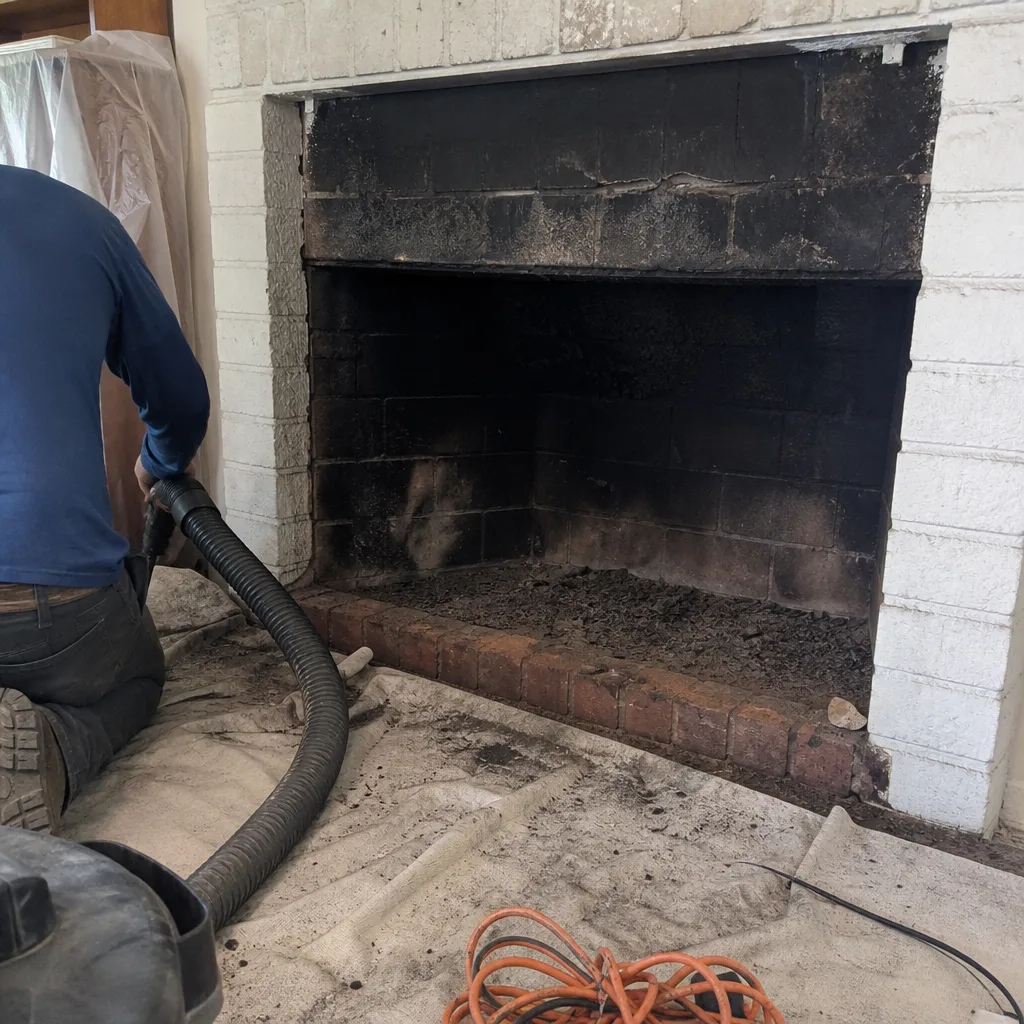 Before
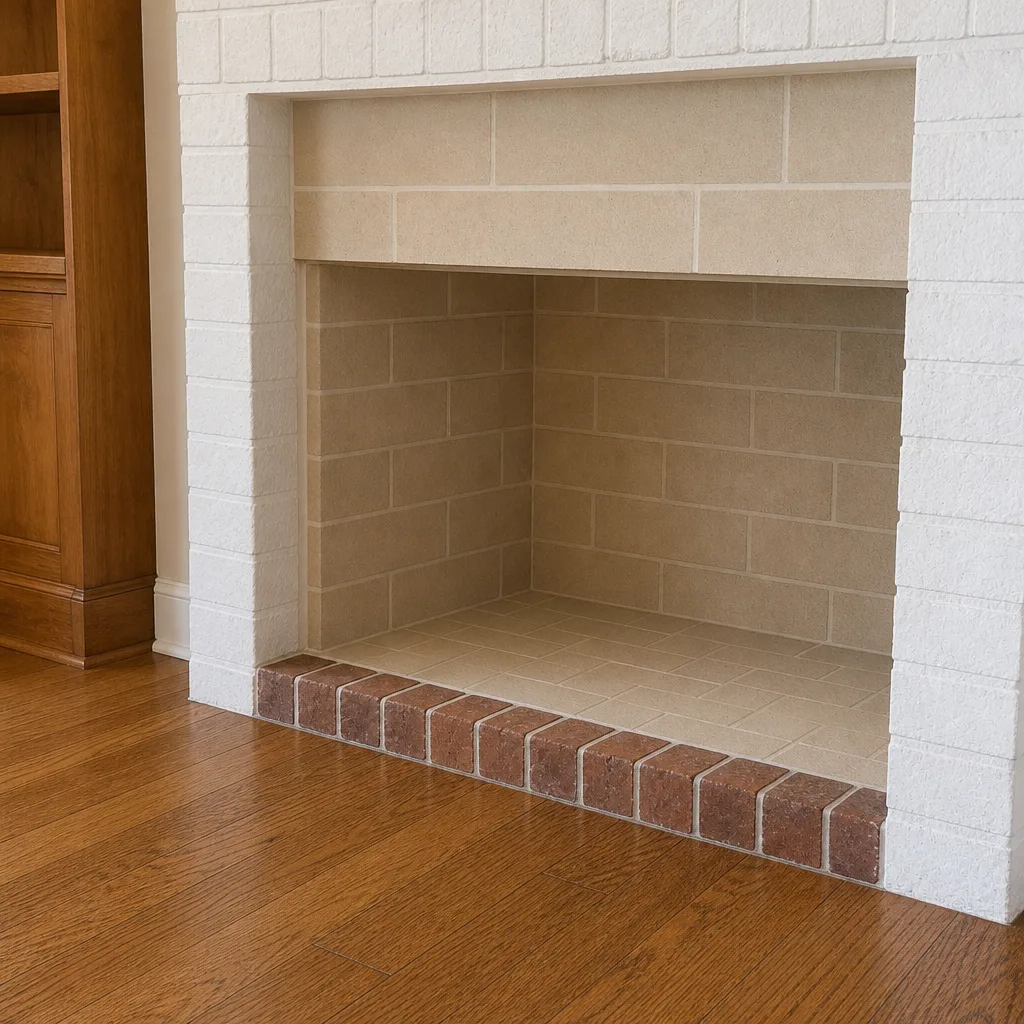 After
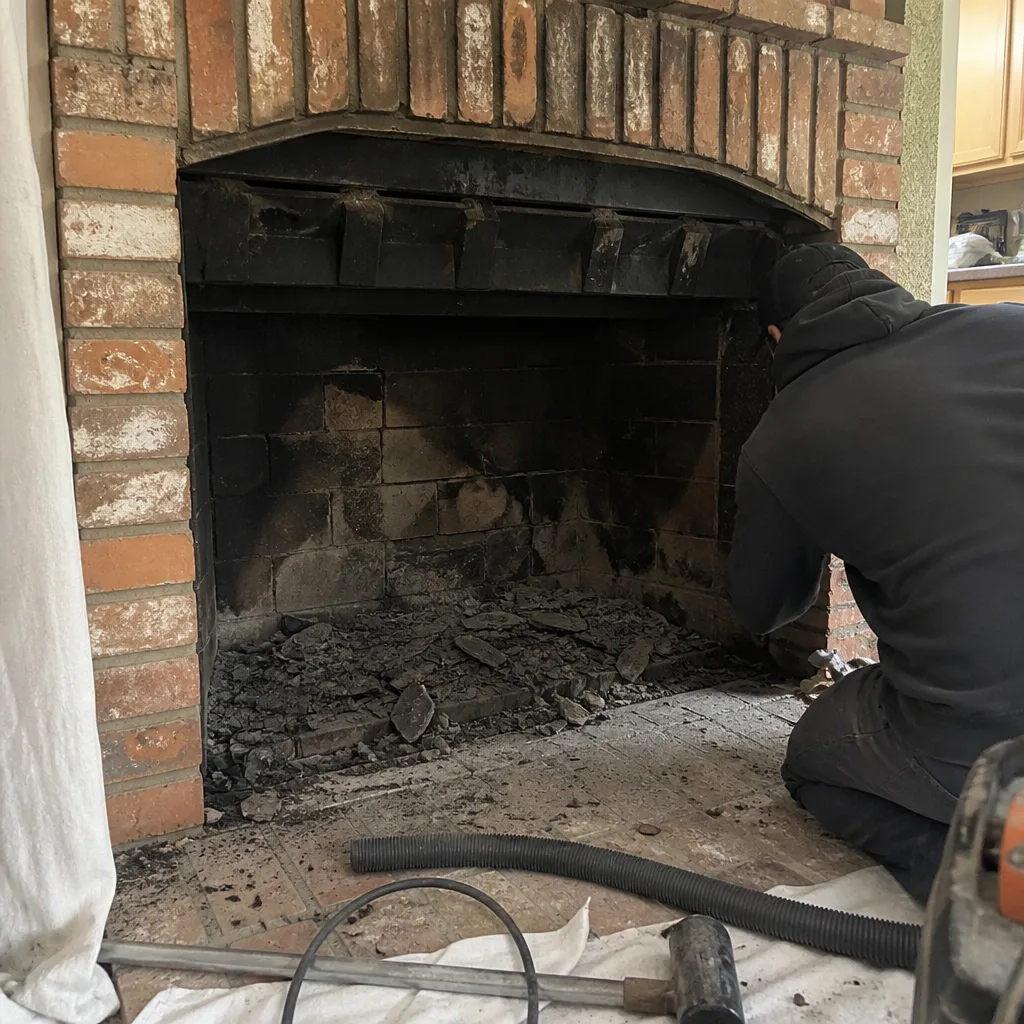 Before
 After
 Before
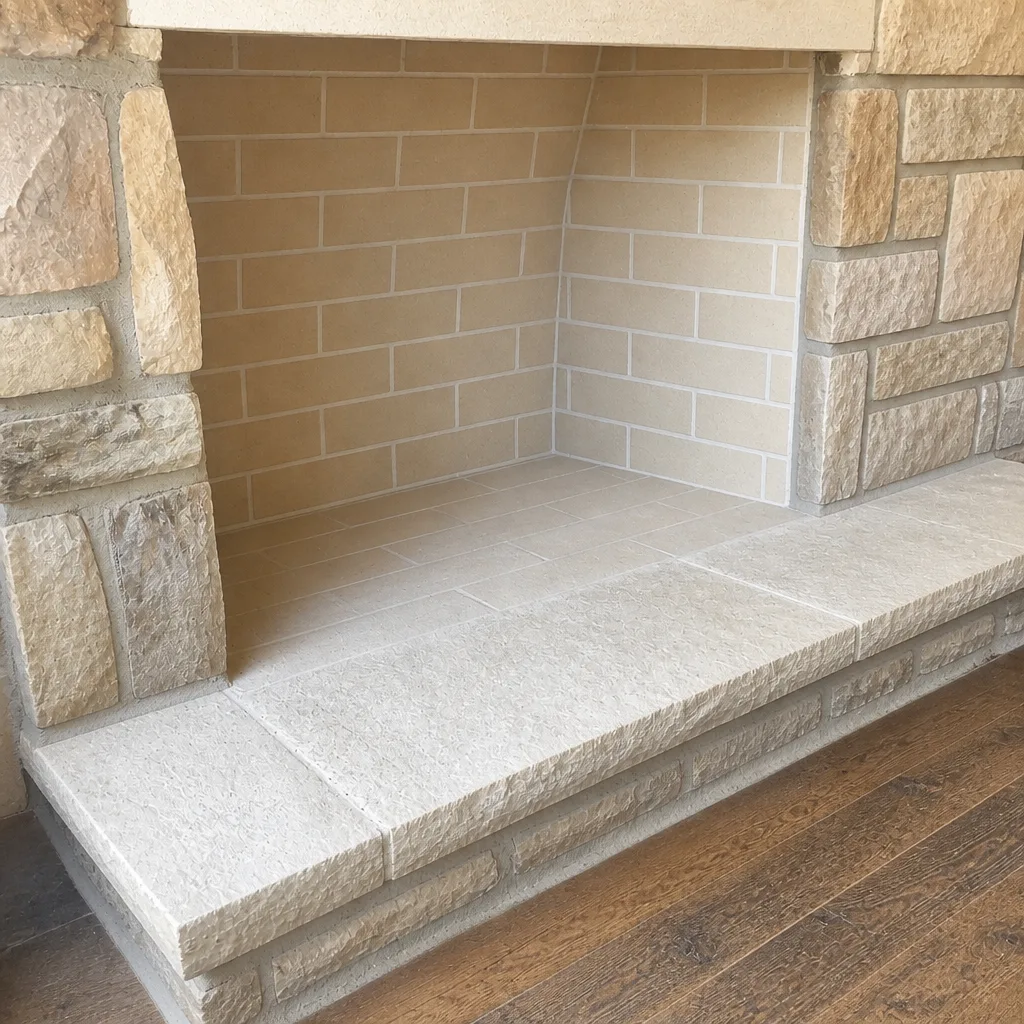 After