
Last updated November 25, 2026
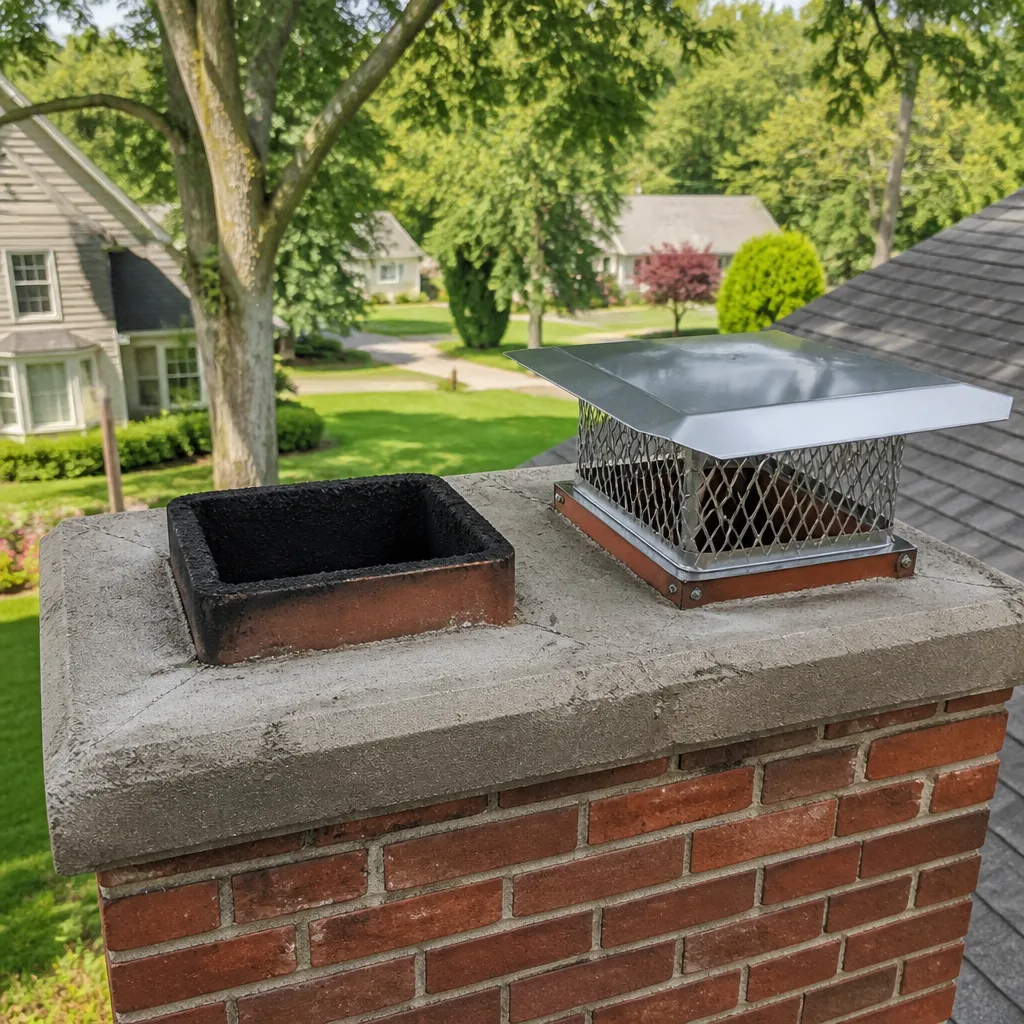 Sweep & inspection
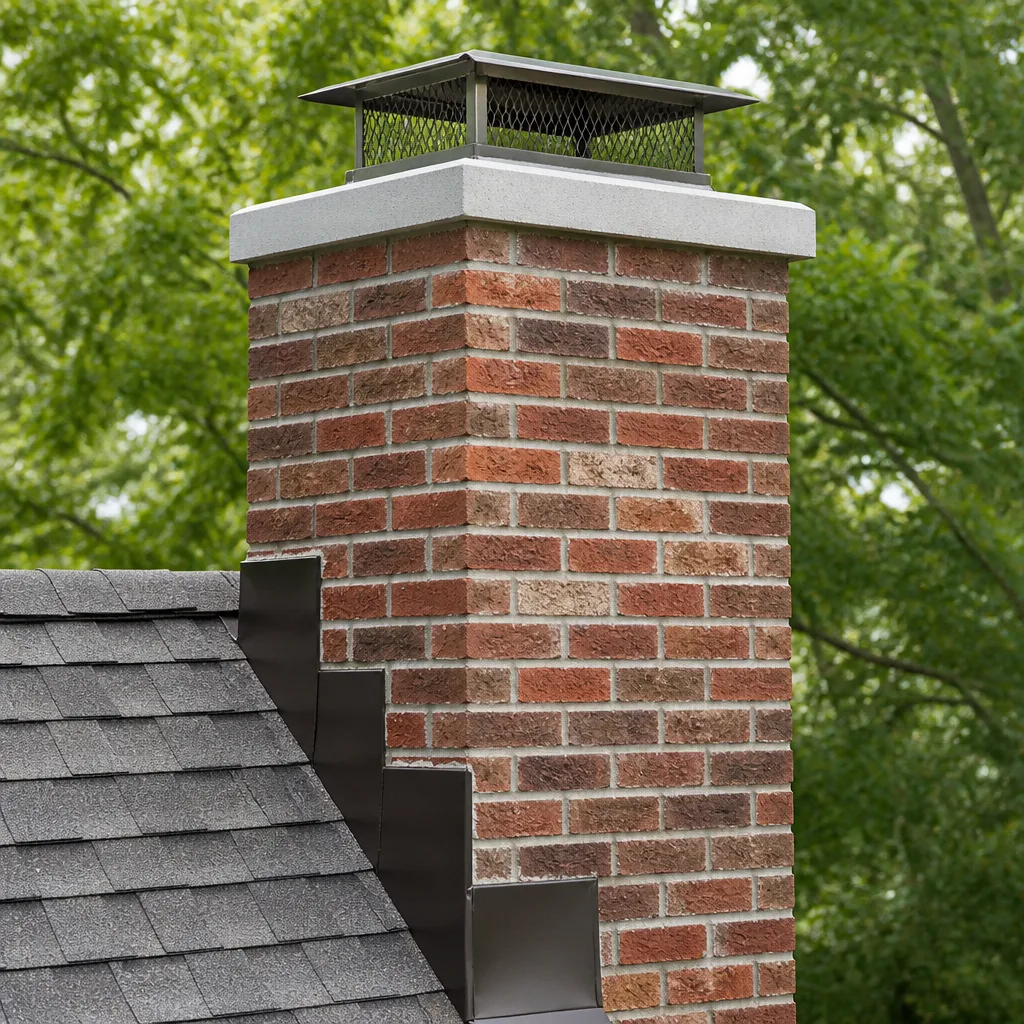 Caps & crowns
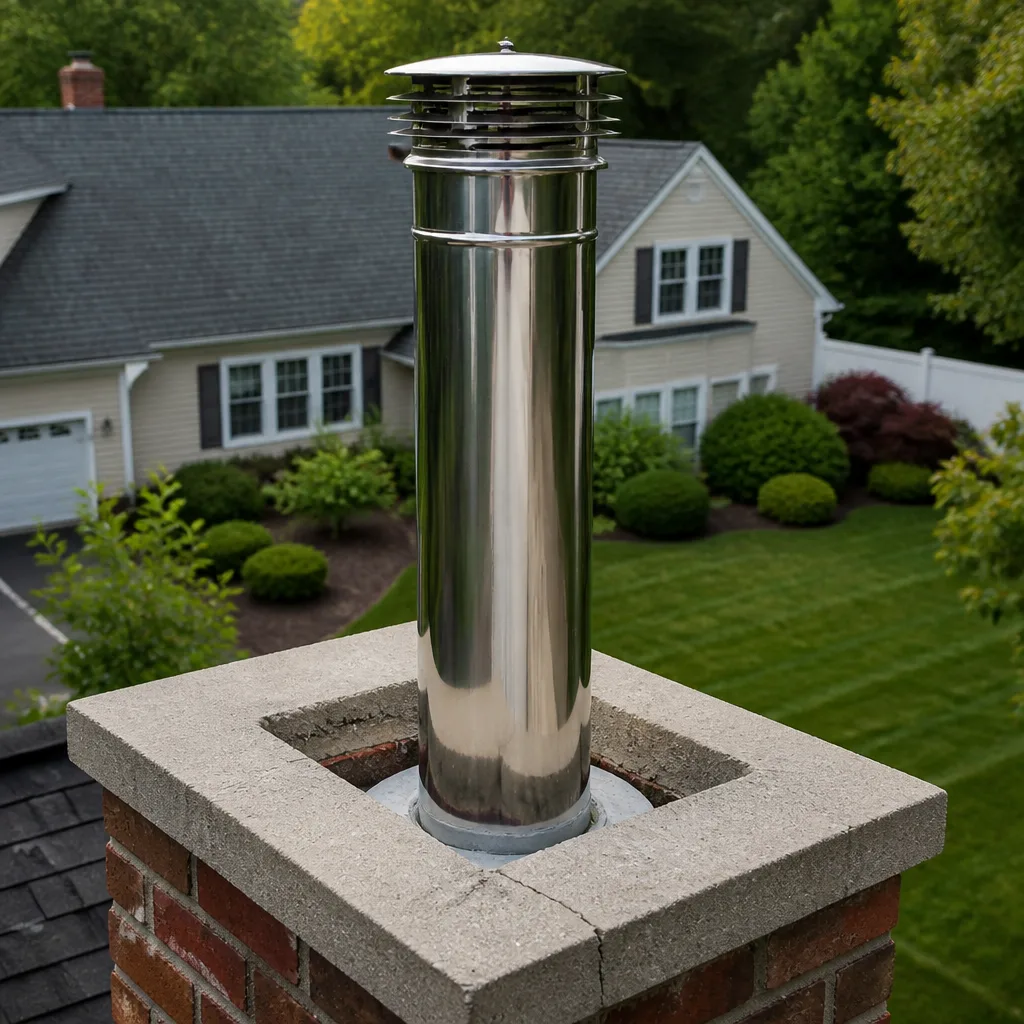 Flue relining
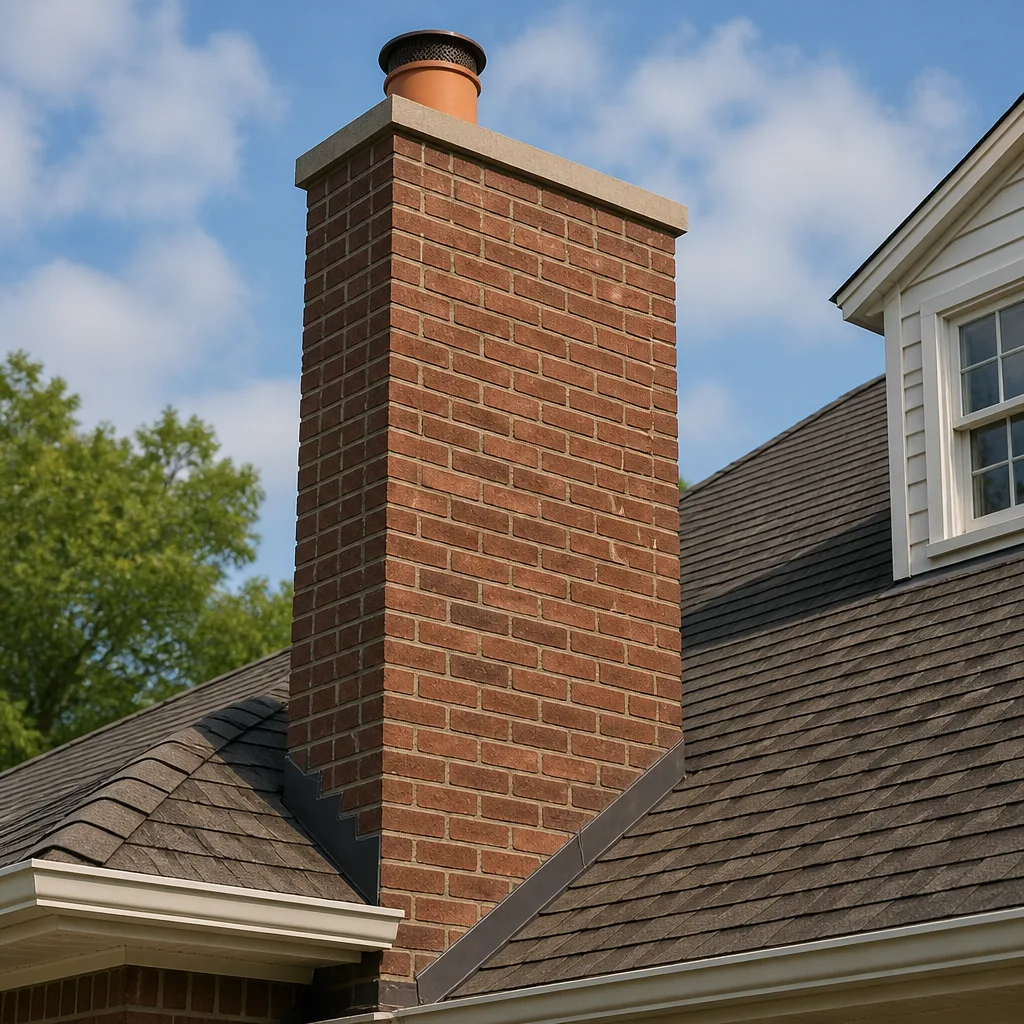 Masonry repair
 Gas fireplace service
Level 1 sweep and inspection to the NFPA 211 annual standard - flue, crown, cap, and flashing checked and photographed
Chimney sweep logs do not sweep chimneys. They loosen some creosote - which then falls where a brush and vacuum still have to collect it.
Chimney Cleaning Permits, Codes & Inspections in Fullerton, CA: What You Need to Know
Most homeowners assume the permit question is about the sweep itself. It isn’t. A basic chimney cleaning is routine maintenance in Fullerton, and no building permit is involved. The permit question is really about what the sweep turns up. A cracked firebox liner, a failed crown, a flue with gaps in the mortar joint – those are structural repairs, and structural repairs usually need a permit. That difference matters more than most people realize. Unpermitted chimney work tends to surface at the worst possible moment: during a buyer’s inspection, on a disclosure form, or when an appraiser flags something that doesn’t match the county record. This guide draws the line clearly between what’s maintenance and what’s construction, explains how California Building Code Chapter 10 and NFPA 211 fit together, and tells you exactly what documentation to keep. One Fullerton homeowner’s quick sweep can become a paperwork problem a decade later if nobody kept the receipts.
Quick Answer
In Fullerton, routine chimney cleaning and sweeping do not require a building permit, but structural chimney repairs – rebuilding a crown, replacing a firebox, relining, or altering clearances – generally do require one through the City of Fullerton’s building department. Inspections are governed by NFPA 211 standards, which set three levels of inspection and define when each is appropriate. The critical distinction is between maintenance (no permit) and structural alteration (permit required), and the documentation you keep after a permitted repair is what protects you at resale.
Styles & brands we work with
- Sweep & inspection
- Caps & crowns
- Flue relining
- Masonry repair
- Gas fireplace service
Table of Contents
- Which Chimney Services Need a Permit in Fullerton?
- California Building Code Chapter 10 and Existing Chimneys
- How NFPA 211 Inspection Levels Work Alongside Local Code
- What the Grandfather Clause Covers – and What It Doesn’t
- The Paperwork to Request After a Permitted Chimney Repair
- How Unpermitted Chimney Work Surfaces at Sale
- Common Mistakes to Avoid
- When to Call a Professional
Which Chimney Services Need a Permit in Fullerton?
The simplest way to think about it: if the work changes the structure of the chimney, needs a permit. If the work only cleans or inspects it, it doesn’t. Everything in between requires a judgment call, and a licensed chimney professional is the right person to make that call before any tool comes out of the case.
Here’s how the common services break down:
No Permit Usually Required (Routine Maintenance)
- Chimney sweeping and creosote removal
- Level 1, Level 2, and Level 3 inspections as standalone services
- Fireplace cleaning and ash removal
- Replacing a damaged chimney cap with a like-for-like unit
- Minor mortar touch-ups on the firebox that don’t alter the structure
- Installing a spark arrestor or top-sealing damper
Permit Typically Required (Structural Work)
- Rebuilding or replacing a chimney crown
- Relining a flue with a new liner system
- Rebuilding the chimney above the roofline
- Replacing a firebox or firebox liner
- Altering clearances to combustibles
- Adding a new flue, changing flue size, or connecting a new appliance
- Any masonry rebuild that involves removing and resetting brick
We’ve found that homeowners often confuse cap and crown work. A chimney cap is the metal or mesh cover at the top – replacing it is usually maintenance. A chimney crown is the concrete or masonry surface that seals the top of the chimney structure – repairing or replacing it is usually structural. That distinction alone trips up a lot of Fullerton homeowners, especially on older homes where the crown has cracked from years of summer heat and winter rain. When in doubt, ask the building department before booking the work. Ask your city’s building department what they require for your specific scope – it takes one phone call and it saves months of headaches. For an inspection that can sort maintenance from structural repair before you commit, our chimney sweep service begins with a full level 2 assessment, camera evidence included.
California Building Code Chapter 10 and Existing Chimneys
California Building Code Chapter 10 governs chimneys and fireplaces in this state, and it applies to existing residential chimneys – not just new construction. That surprises a lot of people who assume older homes are exempt from the code. They aren’t. Chapter 10 lays out requirements for chimney construction, clearances, flue sizing, and the materials that are acceptable for chimney and fireplace systems, and it applies when work is done on an existing chimney that triggers a permit.
What Chapter 10 actually requires for your chimney depends heavily on the scope of the work. Here’s how it typically plays out:
- Routine maintenance: Chapter 10 doesn’t come into play. Sweeping, inspection, and minor repairs don’t trigger a code review.
- Like-for-like replacement: Replacing a cap or a single component with an identical unit usually doesn’t trigger a full code review, but the work still must not reduce the safety of the existing system.
- Structural repair or rebuild: Once you’re replacing a crown, rebuilding the chimney, or relining, Chapter 10 requirements apply, and the local pro doing the work is responsible for meeting them.
- Alteration of clearances: Any change to how close the chimney sits to combustible materials is a code issue and needs a permit.
In our experience working chimneys across Fullerton, the Florida-style heat of August and the wet winters we get here do real work on masonry. Crowns crack. Mortar joints soften. Brick spalls. None of that means the chimney is failing – it means it’s aging, and the code exists to make sure the repairs you make hold up. A proper chimney repair should always start with a camera inspection so you know whether you’re looking at cosmetic wear or structural damage before anyone commits to a scope.
One practical note: Chapter 10 doesn’t tell you whether a permit is required – that’s the local building department’s call. The chapter sets the construction standard. Fullerton’s permit office sets the permitting process. Both matter, and both are worth asking about before work begins.
How NFPA 211 Inspection Levels Work Alongside Local Code
NFPA 211 is the national standard for chimneys, fireplaces, vents, and solid fuel-burning appliances, and it’s the standard that defines the three levels of chimney inspection. Here’s where homeowners get confused: NFPA 211 is not local code, but it’s the standard that chimney professionals follow when determining what level of inspection is appropriate, and it’s what gets cited in inspection reports. Combine that with what the City of Fullerton requires for any permitted work, and you have two layers of oversight that need to work together.
The three inspection levels, and when each is appropriate:
Level 1 Inspection
A visual inspection of the readily accessible portions of the chimney and venting system, done without special tools. Appropriate for a routine annual sweep when the appliance hasn’t changed and there’s no indication of a problem. This is the standard inspection included with most maintenance sweeps.
Level 2 Inspection
A more thorough inspection that includes accessible areas of the attic, crawlspace, and other concealed spaces, often using a camera. Required after a chimney fire, when the appliance or fuel type changes, when the property changes hands (a home sale, for example), or when a problem is suspected. This is the inspection to request when you’re buying or selling a Fullerton home.
Level 3 Inspection
The most thorough level – it may involve removing parts of the chimney or building envelope to access concealed areas. Appropriate only when a serious hazard is suspected and Level 1 and 2 inspections found evidence that requires further investigation. Rare, but warranted when the situation calls for it.
How NFPA 211 interacts with local code in Fullerton: when a permitted repair is required, the local pro doing the work is expected to follow the applicable construction standards, and NFPA 211 is typically the standard applied to the chimney system. The inspection documentation you receive afterward should reference the standards that were applied, and it should be specific enough to satisfy a future buyer’s inspector. If you’re selling a Fullerton home and need a Level 2 inspection before the sale, our chimney repair team performs both Level 1 and Level 2 inspections as standalone services, not just as part of a repair quote.
What the Grandfather Clause Covers – and What It Doesn’t
Older Fullerton homes often have masonry chimneys built under different code requirements than today’s. Many were built decades ago, and they don’t meet the clearance requirements that current code would demand for a new build. There’s a common belief that “grandfathering” means these chimneys are permanently exempt from code. That’s not quite right, and understanding what the grandfather clause actually covers will save you from a nasty surprise.
Here’s what the grandfather clause does:
- Allows an existing chimney to remain in service even though it doesn’t meet current clearance requirements
- Doesn’t force a homeowner to bring the entire system up to current code simply because the chimney is old
- Allows routine maintenance and repair of the existing system without triggering a full code upgrade
Here’s what it doesn’t:
- It doesn’t protect you if a structural repair or alteration would make the system less safe than it already is
- It doesn’t cover repairs that change the clearances to combustibles – that’s an alteration
- It doesn’t exempt the chimney from safety standards if an inspection finds an active hazard
- It doesn’t transfer your disclosure obligations to the next buyer – you still have to tell them
In our experience, this is where Fullerton homeowners get stuck. A homeowner buys an older home with a 1940s or 1950s masonry chimney. The chimney works fine. Then a sweep finds deteriorated mortar joints and a cracked firebox. The repair is clearly structural, so a permit is required, and once a permit is issued, the work has to be done to current standards. The grandfather clause protects the chimney’s original condition – not the condition after repair. That’s the key distinction.
If you’re not sure whether your chimney falls into the grandfathered category or needs to be brought up to current code, that’s exactly what an inspection is for. Ask the building department what applies to your specific address, and have a professional document the current condition before any repair is scoped. Our team handles chimney repair with a full camera walk-through before any recommendation, so you can see what the repair is addressing.
The Paperwork to Request After a Permitted Chimney Repair
This is the part most homeowners skip, and it’s the part that costs them at resale. If you had a permitted chimney repair done on your Fullerton home, you need the paperwork that proves it – not just the invoice, but the actual permit record and inspection sign-off. A buyer’s inspector will look for evidence of permitted work, and if the documentation is missing, that repair becomes a red flag regardless of how well it was done.
Here’s what to request after any permitted chimney repair, in order:
- The permit number: Get it in writing from the contractor as soon as the permit is pulled. You want the permit number and the date it was issued.
- The final inspection sign-off: After the work is done, the job needs to be signed off by the building department. Ask for a copy of the signed inspection record.
- The contractor’s invoice with a clear scope of work: The invoice should describe what was actually completed, not just the total. “Chimney repair” isn’t documentation; “crown replacement and firebox liner repair” is.
- The inspection report from before the repair: A qualified inspector’s report – with camera photos if applicable – is the evidence that a repair was needed, not invented.
- Brand and material documentation: When a repair involves a liner system or cap install, keep the documentation for the specific product. We work with professional-grade brands like DuraFlex, HeatShield, and Olympia Chimney, and the material documentation matters for the record.
- A final invoice showing the project closeout: A clear final invoice ties the paperwork together and shows the project was finished.
Where to keep it: your home file. Not in a drawer, not in a photo roll on your phone – the physical or digital home file that’s passed along at sale. If you’re a Fullerton homeowner planning to sell in the next decade, this file is worth more than most people realize, because it turns “I think the chimney was repaired” into “here’s the permit and the sign-off.” For a look at how we handle the full repair scope, see our chimney repair page and fireplace repair page for the firebox side of the work.
How Unpermitted Chimney Work Surfaces at Sale
Unpermitted chimney work has a way of showing up at exactly the wrong time, and it’s almost always at the sale. A buyer’s inspector sees a chimney crown that doesn’t match the age of the house, or a firebox that looks newer than the surrounding masonry, and asks for the permit. If there’s no permit, no inspection record, and no clear scope on the invoice, the buyer’s side treats it as an unknown – and unknowns get negotiated.
The pathway is remarkably consistent. It goes like this:
- The buyer’s inspection flags a discrepancy – a newer repair, a mismatched component, a visible repair that doesn’t have a paper trail.
- The buyer’s agent asks for documentation. There is none, or the seller can’t locate it.
- The buyer either asks for a credit, walks away, or asks the seller to pull a permit retroactively.
- The seller is now dealing with a problem that started years before the sale, at the worst possible moment.
Retroactive permitting is possible in many cases, but it’s slow, it depends on the repair being inspectable after the fact, and it puts the burden on the seller to prove the work was done right. What the buyer’s inspector wants to see is the paper trail created at the time of the repair, not a reconstruction of it a decade later.
Fullerton has a lot of older housing stock – homes with chimneys built well before current code requirements – and that means disclosures come up more often than you’d expect. If you’re unsure what’s been done to your chimney, a Level 2 inspection is the honest answer. It documents the current condition and tells you whether any prior work looks unpermitted. That’s the kind of due diligence you do before listing, not after a buyer’s inspector finds it. For a Fullerton home sale, our Fullerton Chimney Sweep Pros team performs standalone inspections with a photo report – the same kind of documentation a buyer’s inspector would want to see.
Common Mistakes to Avoid
- Assuming a cleaning permit is needed. A basic chimney sweep in Fullerton is routine maintenance, not permitted work. Save yourself the phone call to the building department and the wait for a permit that doesn’t exist for sweeps.
- Not pulling a permit for structural repair. The reverse mistake is more serious. A crown rebuild or a relining without a permit is unpermitted work, and it surfaces at resale. If the repair changes the structure, permit it.
- Treating a cap and a crown as the same thing. A cap is usually maintenance. A crown is usually structural. The wrong assumption here leads to unpermitted work on a structural component.
- Missing the final inspection sign-off. The permit means nothing without the completed inspection. Ask for the sign-off document and keep it in your home file.
- Relying on the grandfather clause as an exemption. Grandfathering protects the original condition of an older Fullerton chimney – it doesn’t protect the repair that brings the chimney up to code or changes the clearances.
- Commissioning a liner replacement without an inspection report. A liner is a repair decision. It should follow a documented inspection, not a phone estimate. Ask to see the camera evidence before you authorize a liner.
- Keeping repair records only in a phone or an email thread. Home sale disclosures need a durable file. The phone gets replaced, the email gets lost.
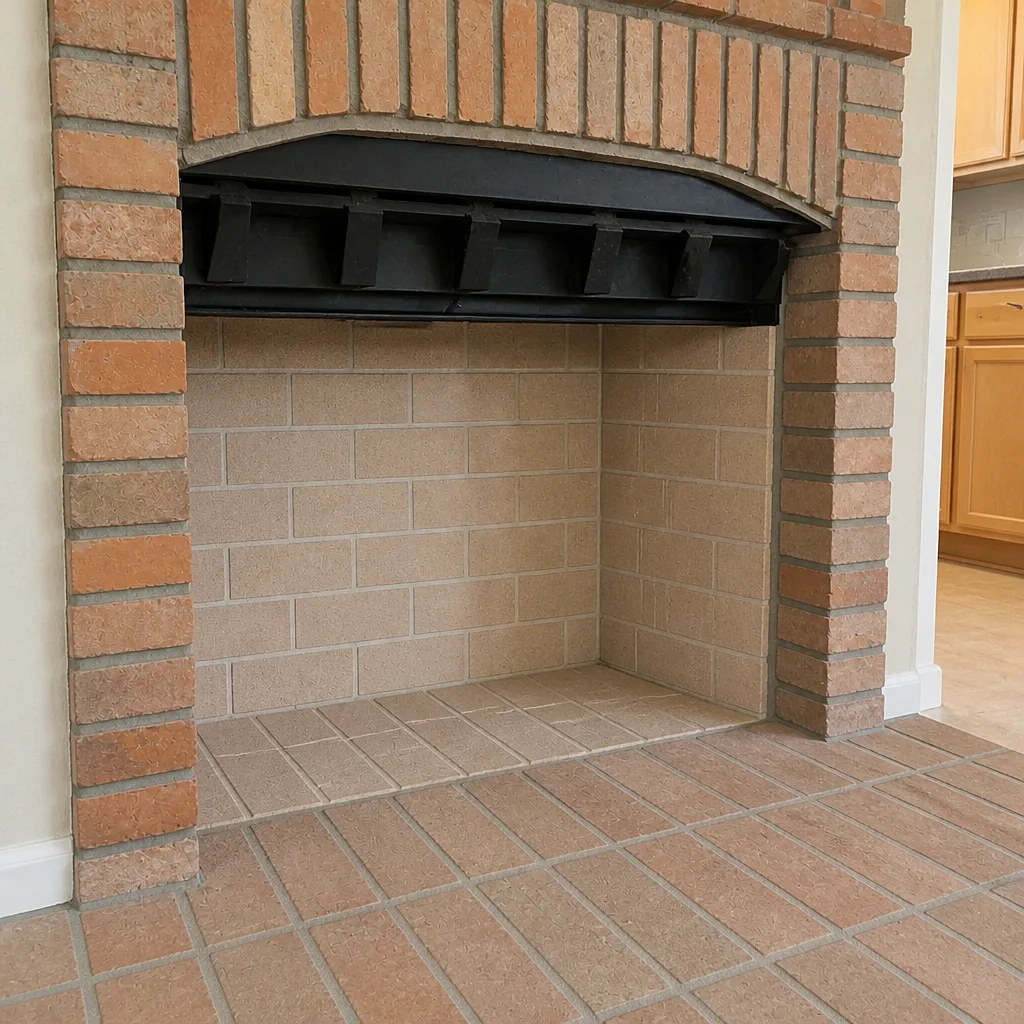
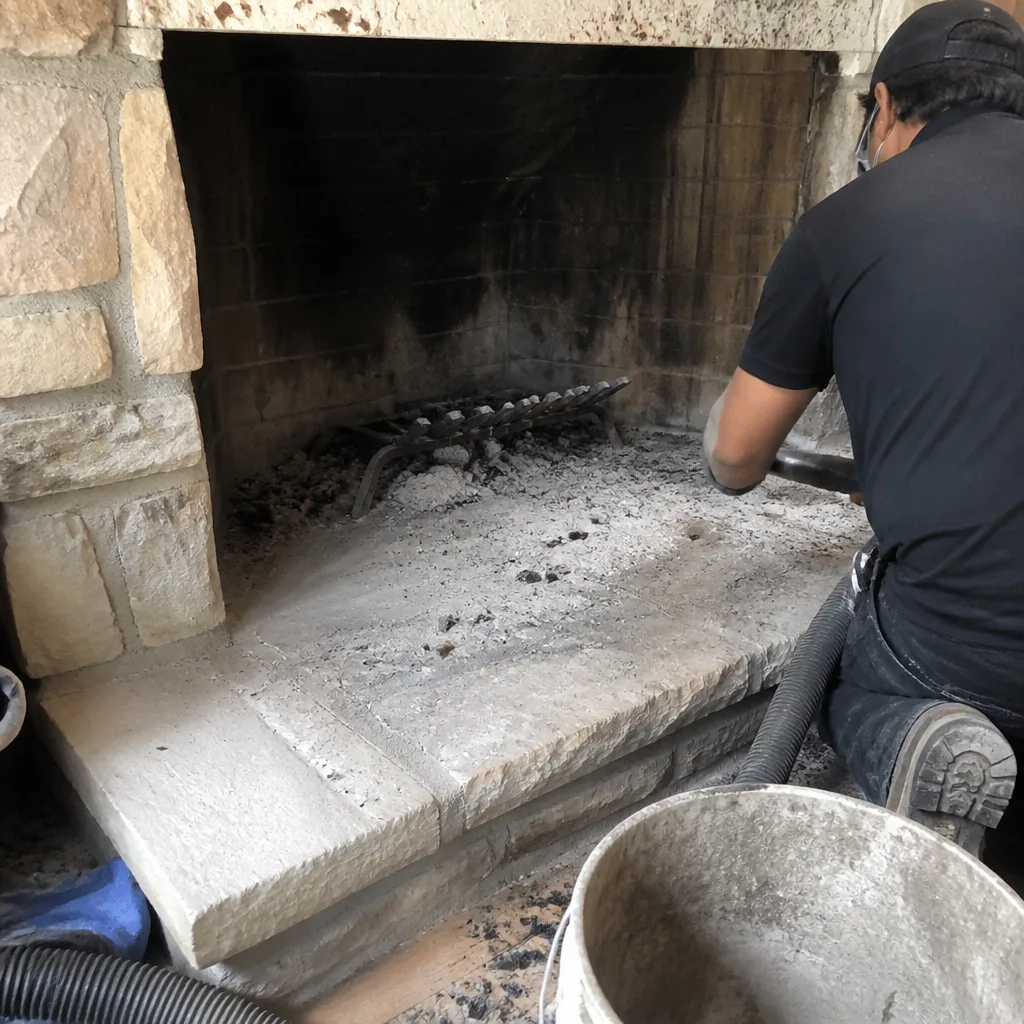
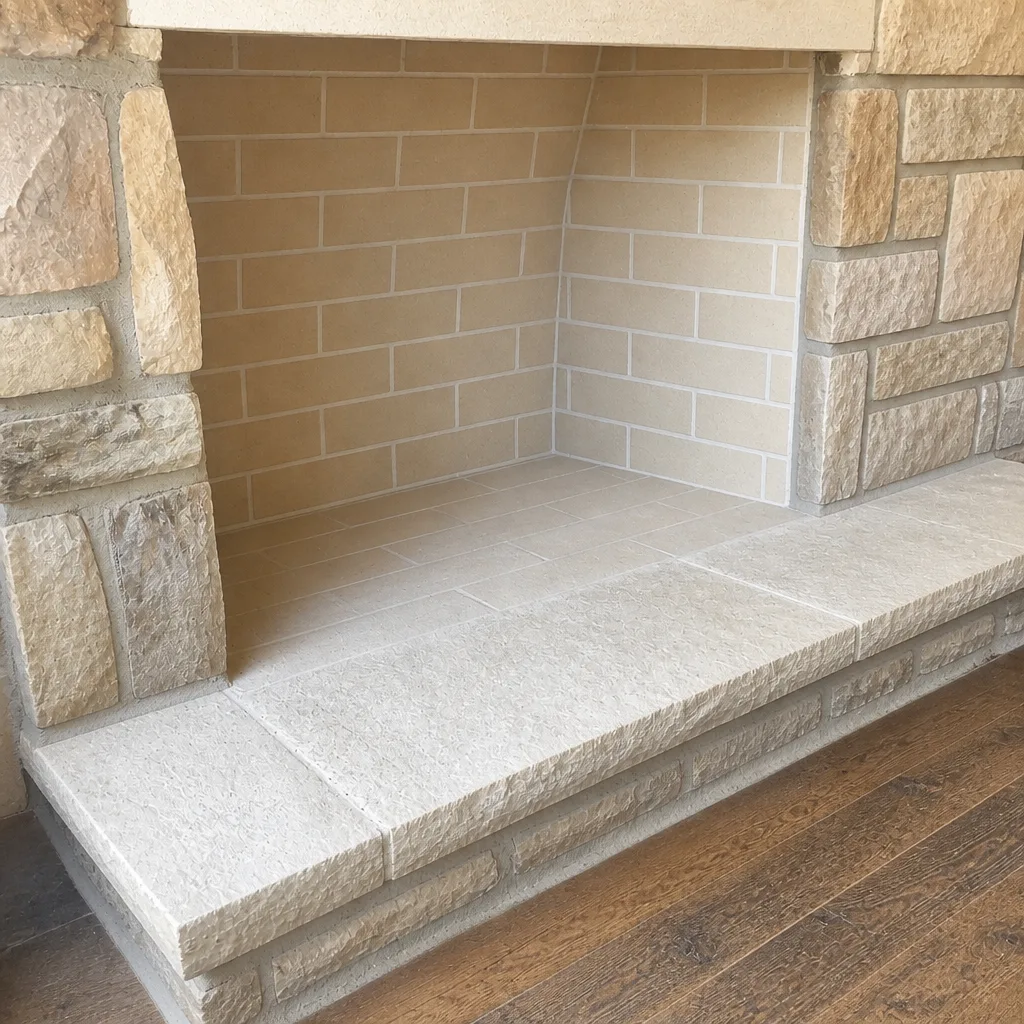
See the difference
 Before
 After
 Before
 After
 Before
 After
When to Call a Professional
There are a few situations where a phone call is the right next step – not a Google search, not a YouTube video, not a check of the firebox on your own.
Call a professional if you haven’t had the chimney inspected in the last year, if you’ve moved into a Fullerton home and don’t know the last inspection date, if you smell smoke in the room when the fireplace is going, if there’s visible water staining on the ceiling near the chimney, or if a home inspector has flagged anything in the chimney system. Call before you buy a home with a chimney you can’t document. And call before a repair – a chimney crown or liner decision needs an inspection first, not a phone estimate. The work itself involves real hazards: high-tension components, confined spaces, and heights, and a damaged flue can release carbon monoxide into the home. That’s not work to improvise. Our technicians have up to 15 years of experience, and we answer 24/7 with fast dispatch from 7am to 7pm. Fullerton Chimney Sweep Pros offers free estimates in Fullerton – call (866) 758-3928.
Frequently Asked Questions
No. A routine chimney cleaning in Fullerton does not require a building permit. Sweeping, creosote removal, and the inspection that goes with a maintenance sweep are considered routine maintenance under the city’s permitting framework. If the sweep turns up structural damage that needs repair, that’s when a permit becomes relevant – but the cleaning itself is not permitted work. Call (866) 758-3928 for an exact quote on a sweep – estimates are free.
Structural repairs generally require a City of Fullerton building permit. That includes rebuilding or replacing a chimney crown, relining a flue, rebuilding the chimney above the roofline, replacing a firebox, altering clearances to combustibles, and any masonry rebuild that removes and resets brick. Replacing a chimney cap is typically maintenance. Call (866) 758-3928 to have your repair scoped and to find out whether a permit applies – estimates are free.
Chapter 10 of the California Building Code covers chimney and fireplace construction requirements – clearances, flue sizing, materials, and how chimney systems must be built – and it applies to existing residential chimneys when permitted work is done. It sets the construction standard; the local building department handles the permit process. In practice, that means structural repairs on a Fullerton chimney need to meet Chapter 10 requirements, and the permitted work should be inspected against them. Call (866) 758-3928 to schedule an inspection – estimates are free.
NFPA 211 defines three inspection levels – Level 1, Level 2, and Level 3 – and the level you need depends on why the inspection is happening. A Level 1 is a routine visual inspection; a Level 2 is more thorough and includes camera access to concealed spaces, required after a chimney fire, appliance change, or home sale; a Level 3 is invasive and used when a serious hazard is suspected. Fullerton homeowner here? Request a Level 2 when you’re buying or selling or when you’re not sure of the chimney’s history. Call (866) 758-3928 for an exact quote – estimates are free.
Partially. The grandfather clause lets an existing chimney remain in service even if it doesn’t meet current clearance requirements, and it doesn’t force you to bring the whole system up to code just because the chimney is old. What it doesn’t do is protect a repair that brings the chimney up to code or changes clearances – that’s an alteration, not a grandfathering issue. If you’re unsure whether your chimney is protected or needs work, get an inspection. Call (866) 758-3928 – estimates are free.
Keep the permit number and issue date, the final inspection sign-off from the building department, the contractor’s invoice with a clear scope of work, the pre-repair inspection report with photos, and the material documentation for any components installed. Store it all in your home file so it’s available at resale. Unpermitted work surfaces during a buyer’s inspection; the paper trail is what prevents it from becoming a negotiation point. Call (866) 758-3928 for an inspection – estimates are free.
The Bottom Line
Cleaning your chimney in Fullerton doesn’t require a permit. What the cleaning finds might. The line between routine maintenance and structural work is the line you need to understand: sweeping, inspection, and cap replacement generally fall on the maintenance side; crown rebuilds, liner replacement, firebox replacement, and any change to clearances fall on the structural side. California Building Code Chapter 10 applies when permitted work is done, and NFPA 211 defines the inspection levels that document whether a repair is needed in the first place. Grandfathering protects an older chimney’s original condition, not the repair that changes it. And the paperwork from a permitted repair – the permit number, the inspection sign-off, the clear scope of work – is what carries you through a future home sale. Get the inspection, get the answer, and get it in writing before any repair begins.
Fullerton Chimney Sweep Pros provides five core services – chimney sweeping, chimney inspection, fireplace repair, chimney repair, and chimney cap and crown installation – all performed on residential properties. Our technicians have up to 15 years of experience, and we work with professional-grade materials from brands chimney specialists actually use, including DuraFlex, HeatShield, Gelco, and Olympia Chimney. If you’ve moved into a Fullerton home and don’t know the chimney’s history, or if you’re putting a home on the market and need the inspection before listing, call us for a full assessment with photo documentation. We answer 24/7, with fast dispatch from 7am to 7pm, Sunday through Friday. Call (866) 758-3928 for a free estimate and a clear answer on whether a permit applies to your chimney.
Written by the team at Fullerton Chimney Sweep Pros.