
Last updated November 25, 2026
 Sweep & inspection
 Caps & crowns
 Flue relining
 Masonry repair
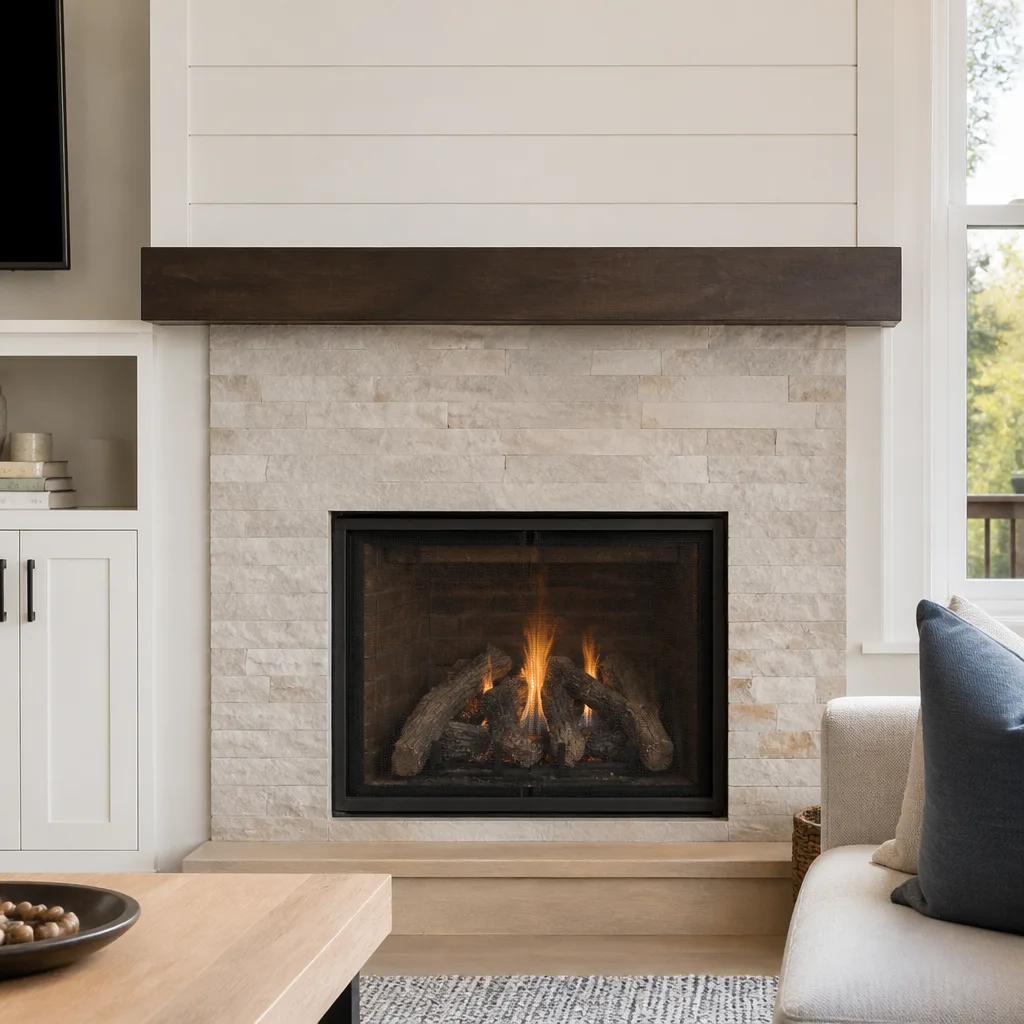 Gas fireplace service
Level 1 sweep and inspection to the NFPA 211 annual standard - flue, crown, cap, and flashing checked and photographed
Chimney sweep logs do not sweep chimneys. They loosen some creosote - which then falls where a brush and vacuum still have to collect it.
Chimney Cleaning Emergency Preparedness Guide for Fullerton Homes
A chimney fire doesn’t always look like a movie scene. In a heavily sooted flue, it can burn at 2,000°F for ten minutes while making nothing more than a low rumble and a slight smell, and the homeowner never knows until a sweep finds the cracked liner. That gap between what’s happening inside the chimney and what’s happening in the living room is the heart of this guide. We’ll cover how to recognize both kinds of chimney emergencies in Fullerton: the fast, obvious ones and the slow, quiet ones that give you time to act if you know the signs. You’ll learn what to do, what never to do, and how to prepare before the season starts.
Quick Answer
A chimney emergency is either a chimney fire (fast-moving, requires an immediate 911 call and no further use of the fireplace) or a slow-developing hazard like carbon monoxide infiltration, a blocked flue, or structural failure (dangerous but detectible with the right signs and a working CO detector). In both cases, the system must be professionally inspected before any further use, and the fastest insurance-protective step you can take is keeping your annual inspection current and your documentation organized.
Styles & brands we work with
- Sweep & inspection
- Caps & crowns
- Flue relining
- Masonry repair
- Gas fireplace service
Table of Contents
- How to identify an active chimney fire
- The correct immediate actions if a chimney fire starts
- Post-fire protocol: inspection, documentation, and insurance
- Carbon monoxide risk specific to chimney systems
- Reporting a chimney fire to the Fullerton Fire Department
- Pre-season emergency prep checklist
- Assessing creosote stage before it becomes a problem
- Common mistakes to avoid
- When to call a professional
How Do You Know If Your Chimney Is on Fire?
A chimney fire is burning inside your flue right now if you hear a low rumble or roaring like a distant train, see thick black smoke or flames from the top of the chimney, feel intense heat radiating from the chimney structure, or notice a strong, acrid smell with visible soot flakes falling outside. Some chimney fires produce none of these obvious signs and only a slightly unusual smell.
The tricky part is that chimney fires come in two flavors. A free-burning chimney fire is dramatic: loud roaring, dense smoke, visible flames from the top, sometimes sparks or glowing embers ejected onto the roof. A slow-burning chimney fire is quiet and hidden. It burns hot and contained, often with a low rumble, a smell like hot metal or burning paper, and a slight pinging sound from the metal flue warming. The damage is just as serious: cracked tiles, warped metal liners, and heat-degraded masonry that later lets carbon monoxide into living spaces.
Because slow-burning chimney fires leave so few clues, the only reliable way to know whether one has already happened is a professional inspection. A sweep with a camera can see cracked flue tiles, glazed creosote, and warped or separated liner sections that no homeowner would catch from the living room. That’s one reason an annual inspection matters more than most homeowners realize; you’re not just cleaning the chimney, you’re looking for evidence of events you may have missed.
What Should You Do If a Chimney Fire Starts?
If you suspect a chimney fire: call 911, get everyone out of the house, close the fireplace doors or damper only if you can do so safely from outside the firebox, and wait for the fire department. Do not pour water on the fire, do not close the damper if you’re unsure, and do not reenter the house until fire personnel clear it.
Here is the sequence, in order, and it’s worth reading twice:
- Call 911 immediately. Chimney fires can spread into attic framing and wall cavities faster than most homeowners expect. Even a fire that looks “contained” can move inside a wall.
- Get everyone out, then close the glass doors if it can be done safely. Starving the firebox of oxygen slows the burn. Never reach into or over a hot firebox.
- Do not spray water into the flue. A sudden temperature drop can shatter clay tile liners and drive steam and hot gases back into the room.
- Close the damper only if the fire is in the chimney and you can reach it without touching hot metal. This is situational; if there’s any doubt, leave it and wait for firefighters.
- Wait outside for the fire department and tell them the chimney is involved. They will assess whether the fire has spread beyond the flue.
Never relight the fireplace after a suspected chimney fire, period. Even if the fire self-extinguished, the flue may be cracked, warped, or clogged with glazed creosote that can burn again hotter the next time you use the fireplace.
What Should You Do After a Chimney Fire?
After a chimney fire, the entire system must be professionally inspected before any further use, even if the fire seemed minor. The inspection should be documented in writing and include photos or video of the flue interior, which is what your insurance company will want if you file a claim.
The post-fire sequence looks like this:
- Wait for the fire department to clear the structure. Never restart the fireplace before this.
- Do not use the fireplace until a professional inspection is complete. A chimney fire can crack flue tiles, warp or split a stainless liner, degrade mortar joints, and distort the damper. None of these show up from the outside.
- Request a Level 2 inspection with camera documentation. This is the standard post-fire assessment and the one insurance companies typically want to see.
- Get the inspector’s findings in writing. Ask for photos of any damage, a written report, and a scope of repair that lists the materials the repair will use. This becomes the basis for a claim if you file one.
- Share the inspection report with your insurer before repairs begin. If you repair first and document later, the claim can be harder to process.
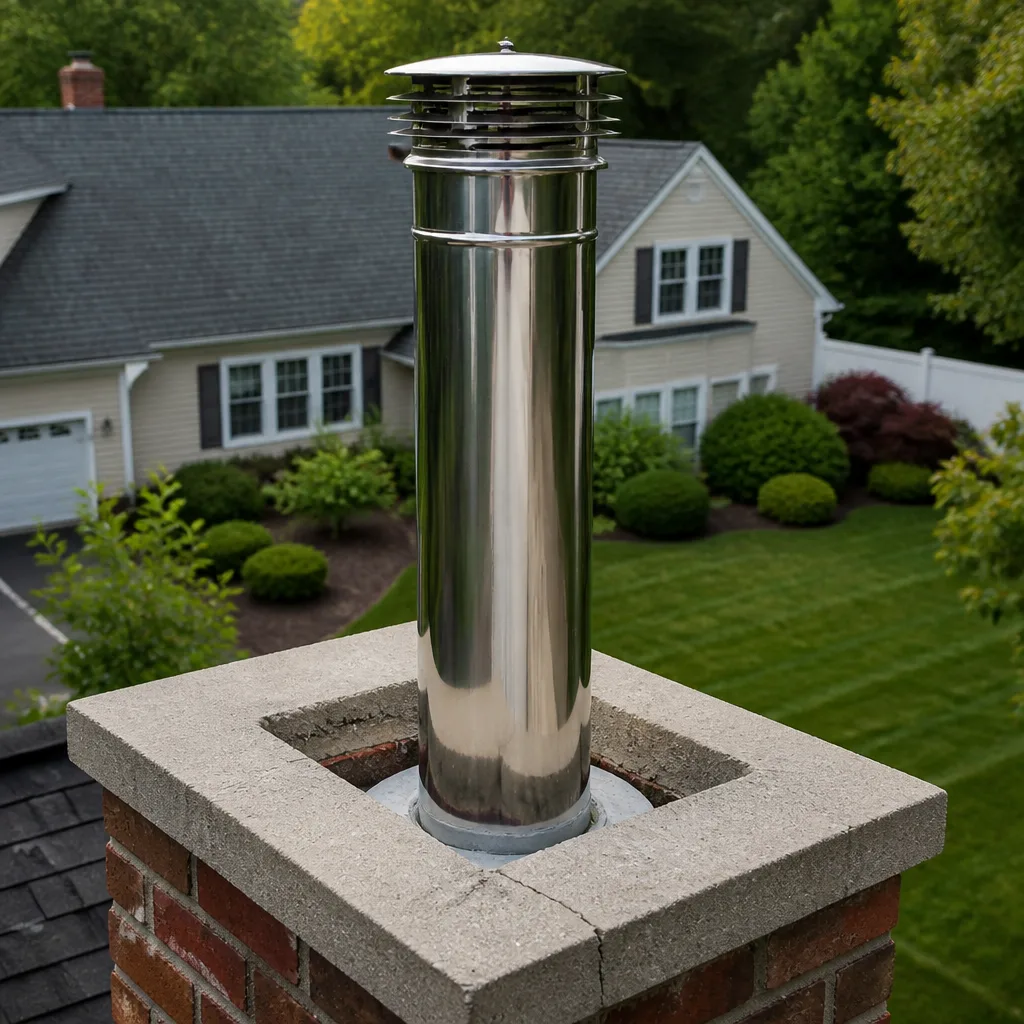
When repairs are needed, the materials matter. Professional-grade products are specified for post-fire rebuilds because they’re engineered to hold up under heat cycling after the original failure. We install liner systems from DuraFlex and resurface systems from HeatShield, and we work with Olympia Chimney and Copperfield for related components. If the chimney needs a liner rebuilt or a flue resurfaced, that same team handles it without a handoff.
Why Is Carbon Monoxide a Chimney-System Problem?
Carbon monoxide (CO) gets into a home through a chimney when the flue can’t vent combustion gases properly, either because a liner is cracked, a flue is blocked by debris, a damper is stuck, or a chimney is negatively pressurized by another exhaust appliance in the house. The result is that CO, which should go up and out, comes back into the living space instead.
Most homeowners think of CO as a furnace or water-heater problem. In a fireplace home, it’s a chimney-system problem. A crack in a clay tile liner can let combustion gas into the space between the liner and the chimney wall; from there it migrates through the masonry and into the house. A blocked flue from an animal nest or soot collapse does the same. A compromised stainless liner from a prior chimney fire is another common path.
Which brings us to detector placement, and this matters more than most people think. HVAC-industry best practice is to place CO detectors in or near each sleeping area, and ideally on each level of the home. In a Fullerton home with a fireplace, a detector placed in the room where the fireplace is located or in the hallway just outside it will catch a fireplace-side CO release that a bedroom-only detector might miss until the gas has already spread. California requires CO detectors in most residential homes; check the current requirements with the city and treat the bedroom-only setup as a minimum, not the target.
The symptoms of CO poisoning (headache, dizziness, nausea, confusion, sleepiness) are easy to shrug off as flu or fatigue. If multiple people in the home feel unwell at the same time and improve when they leave, treat it as a potential CO event, get outside, and call 911 before doing anything else.
How Do You Report a Chimney Fire in Fullerton?
Report a chimney fire in Fullerton by calling 911 and telling the dispatcher clearly that the fire is in the chimney. Fullerton Fire Department crews respond to residential chimney fires and will check whether the fire has extended into the attic, walls, or roof structure before clearing the scene.
A few practical details make that call more useful:
- State “chimney fire” first. It tells dispatch what kind of response and equipment to route to you.
- Say whether you see flames or smoke from the roof, or only smell smoke inside. Visible roof involvement changes the response.
- Tell them the fireplace type (wood-burning fireplace, insert, or freestanding stove) and whether it’s currently lit. Fire personnel will ask.
- Do not go back inside to check on the fire once you’re out. Report what you observed from outside.
For contained chimney fires, fire crews typically confirm the fire hasn’t spread beyond the flue and then advise a professional chimney inspection before the fireplace is used again. The fire department is not a chimney inspection service; their scope is fire suppression and structural safety. The post-fire flue assessment is a separate job, and it’s the one that determines whether your fireplace is safe to use going forward.
In Fullerton, that follow-up step is often where homeowners discover that what they thought was a minor chimney fire actually cracked a flue liner. Our chimney repair team handles that assessment and the repair in a single visit when the scope allows, including camera documentation for insurance.
What Should a Fullerton Homeowner Check Before Fire Season?
A pre-season walkthrough eliminates most chimney emergencies before they can happen. The five-minute check you do now (or have done professionally) is worth far more than the urgent call you’d make later.
Run through this list before you light the first fire of the season:
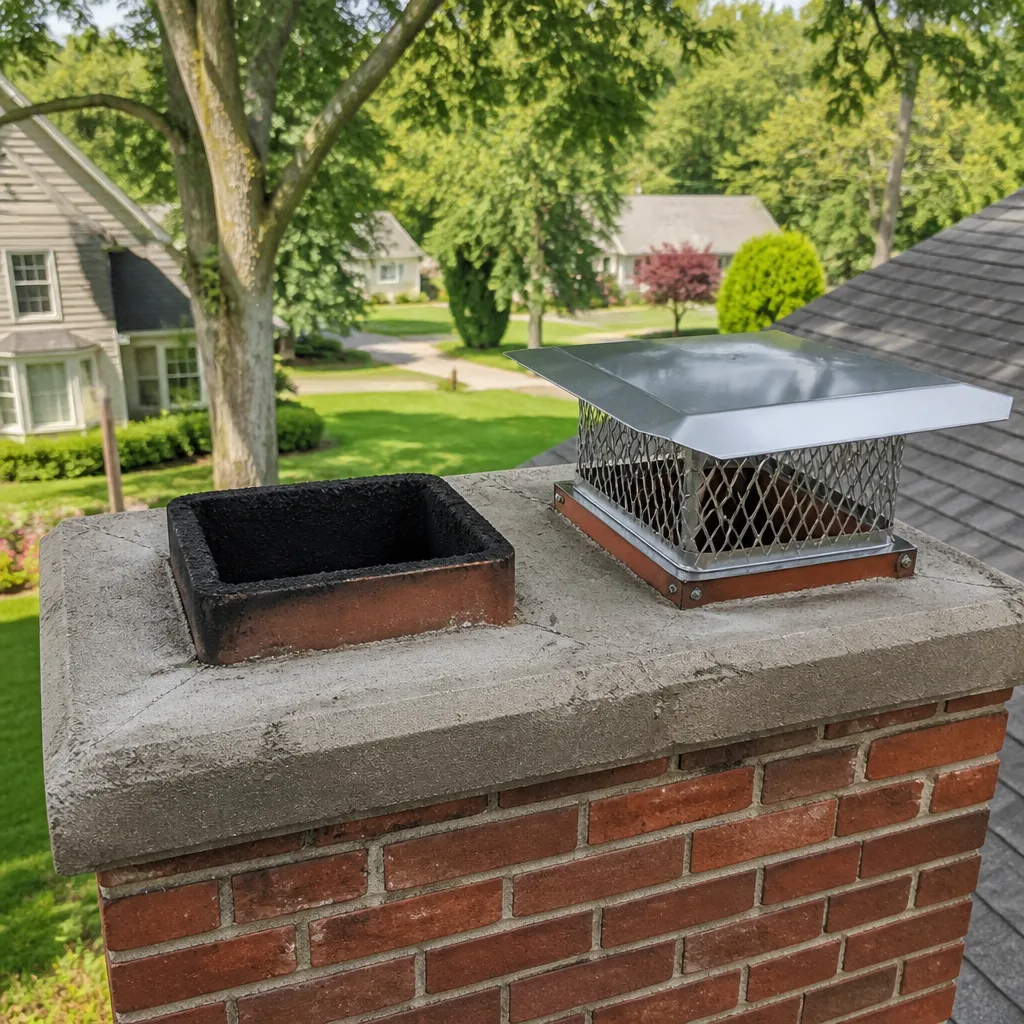
- Check the chimney cap. Look from the ground with binoculars. A missing, loose, or rusted cap is an open door for rain, animals, and debris. Our team installs caps from Gelco and Famco, and we can size one to your flue during a routine sweep.
- Confirm the damper opens and closes fully. A damper that sticks closed is a CO and smoke path. A damper that won’t seal shut lets heat out of the house year-round.
- Get a professional creosote assessment. Visual-only checks miss the glazed, stage 3 creosote that’s most likely to fuel a chimney fire. A camera inspection catches it.
- Schedule an annual chimney sweep. The National Fire Protection Association’s standard guidance is an annual inspection, with sweeping as needed. For a regularly used fireplace, that sweep usually happens once a year.
- Verify your CO detectors are working. Test them, replace batteries, and confirm one is near the fireplace room. Check that at least one detector is on each level of the home.
- Inspect the firebox and hearth for cracks or loose mortar. Hairline cracks in the firebox brick are worth a professional look before the season, not after.
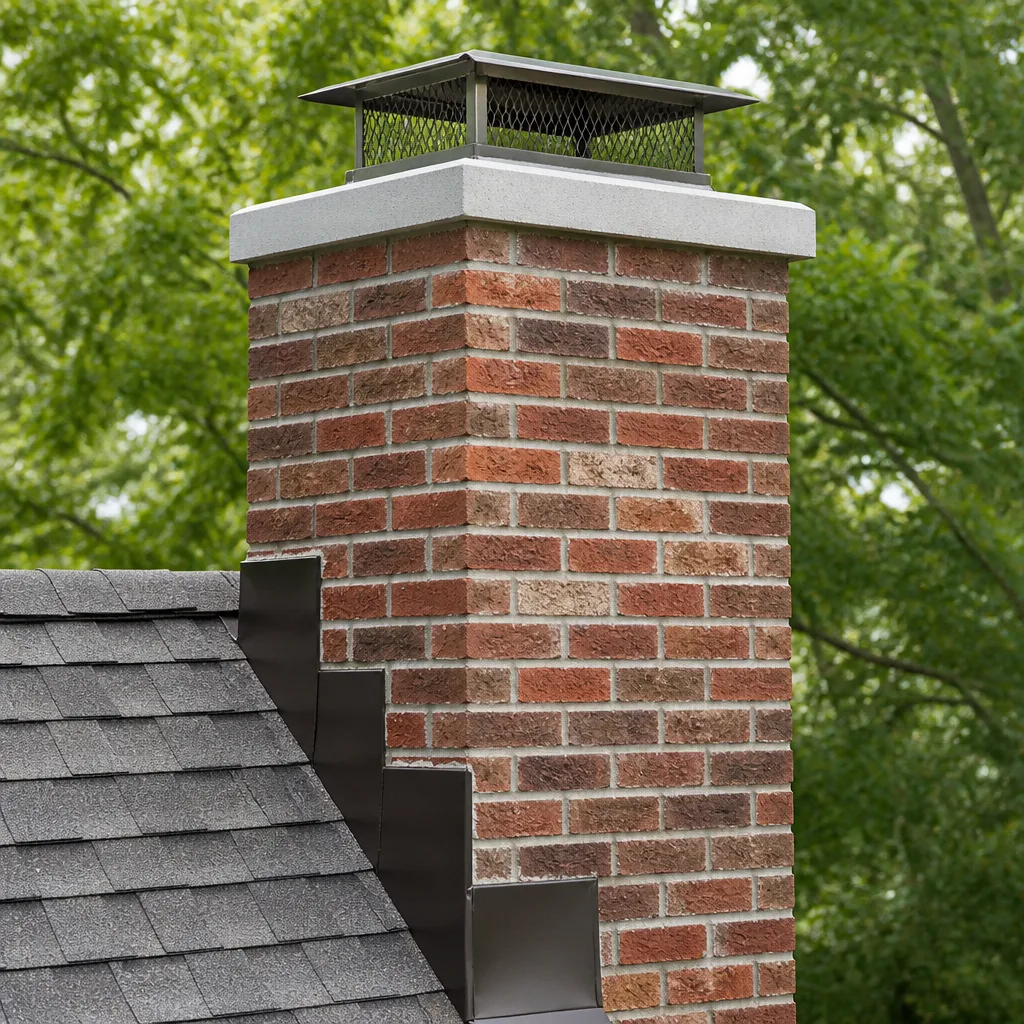
- Check the crown. A cracked crown lets water into the masonry, which is the single most common cause of long-term chimney deterioration. Cap-and-crown work is one of our core service categories for that reason.
This checklist is the core of what chimney emergency preparedness actually looks like in practice. It’s not a list of dramatic rescues; it’s the quiet maintenance that keeps you out of the emergency category.
What Are the Three Creosote Stages and Why Do They Matter?
Creosote forms in three stages, and only the first is easy to clean. Stage 1 is a light, flaky soot that brushes away easily. Stage 2 is a firm, crusty deposit that needs a stiff brush and some work. Stage 3 is glazed, hardened, tar-like creosote that has essentially baked onto the flue wall and is the leading fuel for chimney fires.
Understanding the stages matters because they change the sweeping frequency, not just the cleaning method:
- Stage 1 (light soot): Routine annual sweep. Rare in regularly used fireplaces unless the wood is very dry and the fire burns hot.
- Stage 2 (crusty): Annual sweep, sometimes twice a year for heavy use. Typical for a fireplace used several times a week through the season.
- Stage 3 (glazed): Requires specialized removal. Brushing alone doesn’t lift it; chemical treatment followed by mechanical removal is standard. If your liner is also damaged from prior heat or a chimney fire, the liner itself may need resurfacing or replacement.
In our experience, Fullerton homeowners who burn oak or other hardwoods in a fireplace or insert and use the fireplace most evenings in December and January tend toward stage 2 buildup by the end of the season, and stage 3 when the fire is routinely burned with the damper partly closed or the wood is not well seasoned. A professional sweep assesses the stage by looking up the flue; a homeowner can’t reliably judge it from the fireplace.
For a deeper look at what a proper cleaning actually involves, see our chimney sweep page.
Common Mistakes That Create Chimney Emergencies
- Assuming a quiet chimney fire didn’t happen. A slow-burning chimney fire leaves no obvious damage from the outside, but the flue can be cracked inside. The only way to know is a camera inspection after any unusual sound, smell, or event.
- Deferring the annual inspection because the fireplace “worked fine last year.” Most chimney fires start in a flue that worked fine the year before. Creosote accumulates quietly, and the only signal a homeowner gets is the fire itself.
- Skipping the CO detector near the fireplace. Plenty of Fullerton homes have a detector in the hallway by the bedrooms but none near the fireplace, which is where a fireplace-related CO release would show up first.
- Using the fireplace after a chimney fire without a professional inspection. A warp or crack in the liner isn’t visible from the firebox, and relighting a damaged flue can cause a second, hotter fire.
- Ignoring a chimney cap that’s missing or rusted out. An open flue is an open invitation for animals, rain, and debris. A blocked flue from a bird’s nest is one of the most common causes of CO infiltration we see.
- Assuming the fire department “checked the chimney” after a chimney fire. Fire crews confirm the fire is out and the structure is safe. The flue inspection is a separate professional step, not part of their scope.
- Not documenting the inspection report. If you file an insurance claim after a chimney fire, a written report with photos is the difference between a straightforward claim and a contested one.
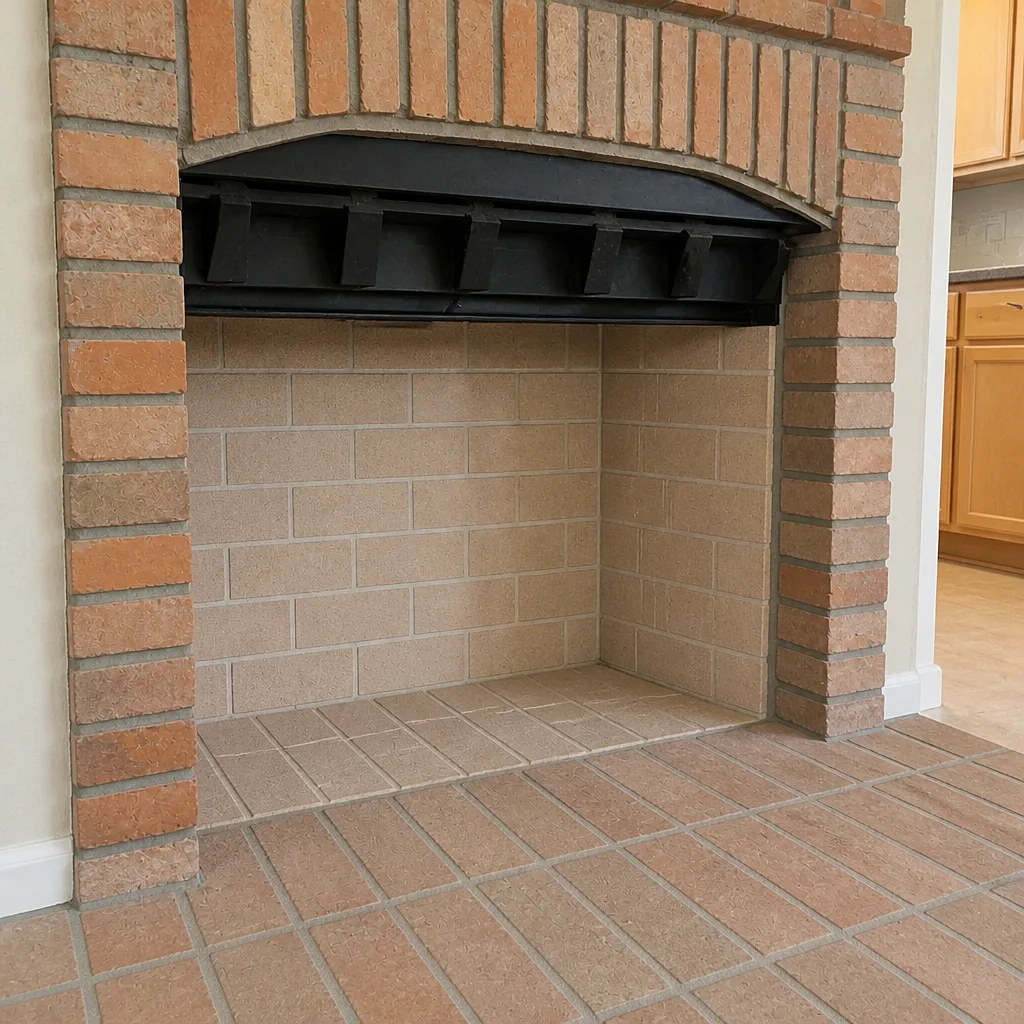
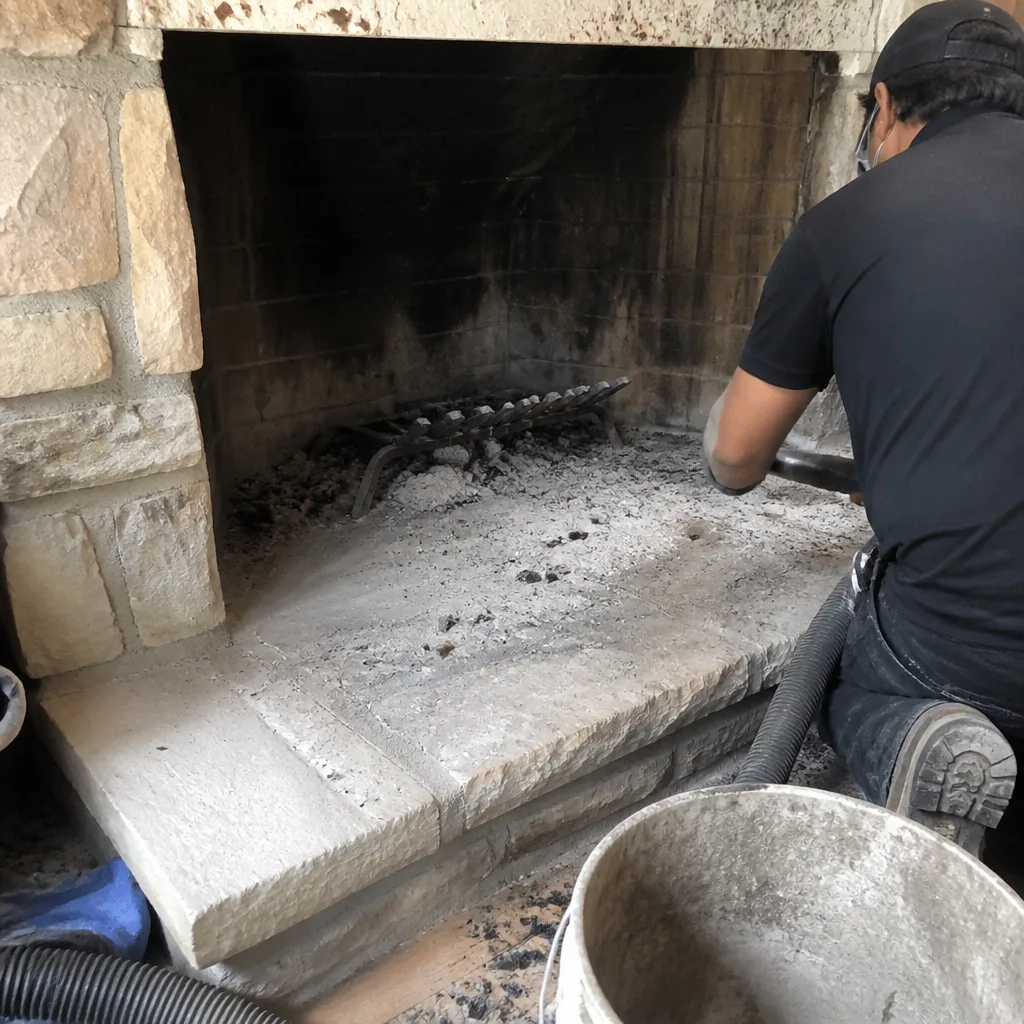
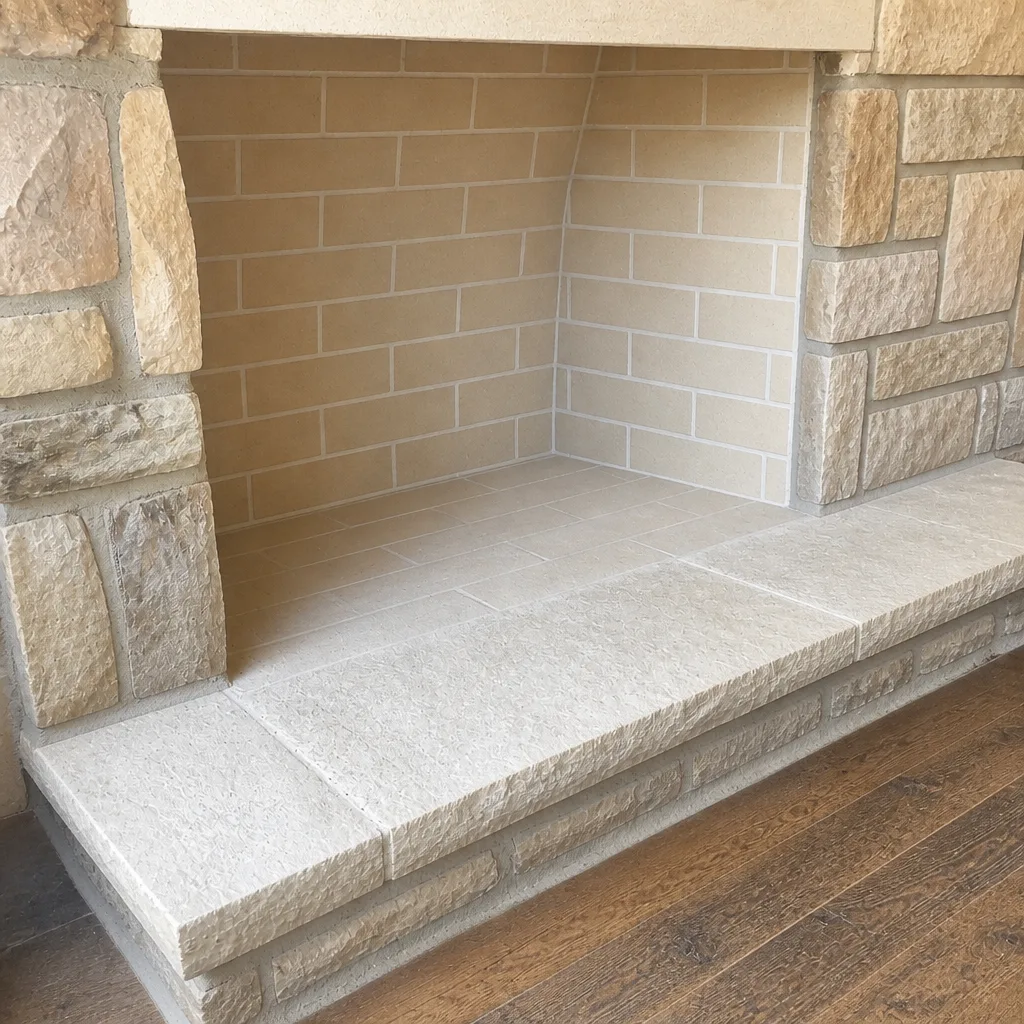
See the difference
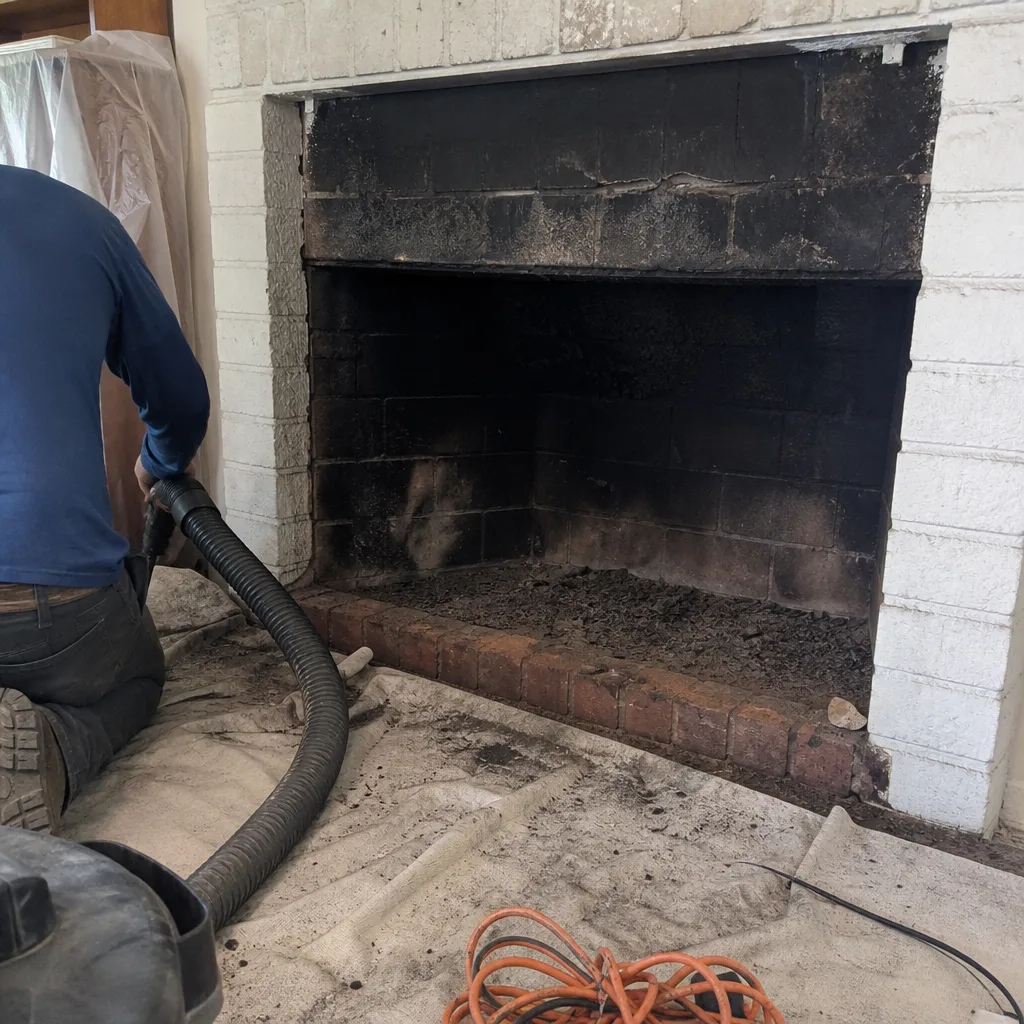 Before
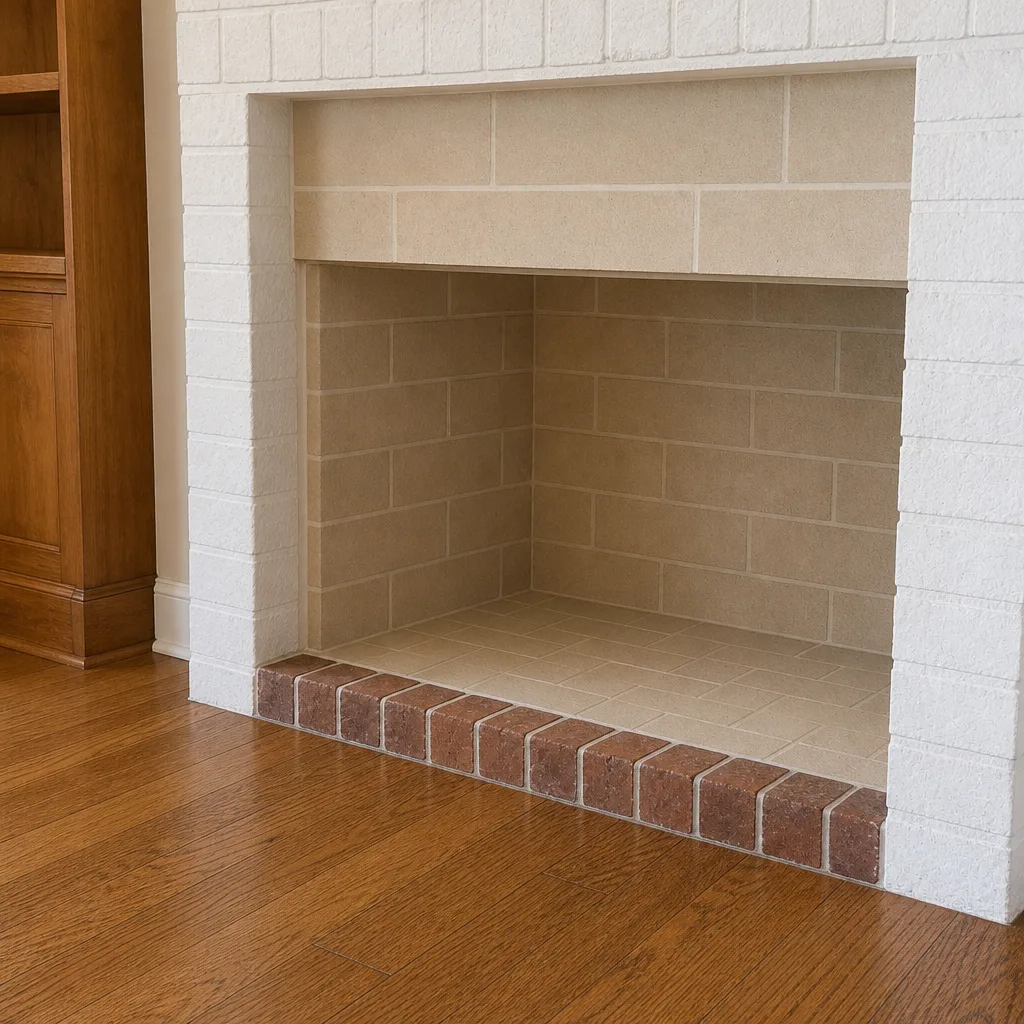 After
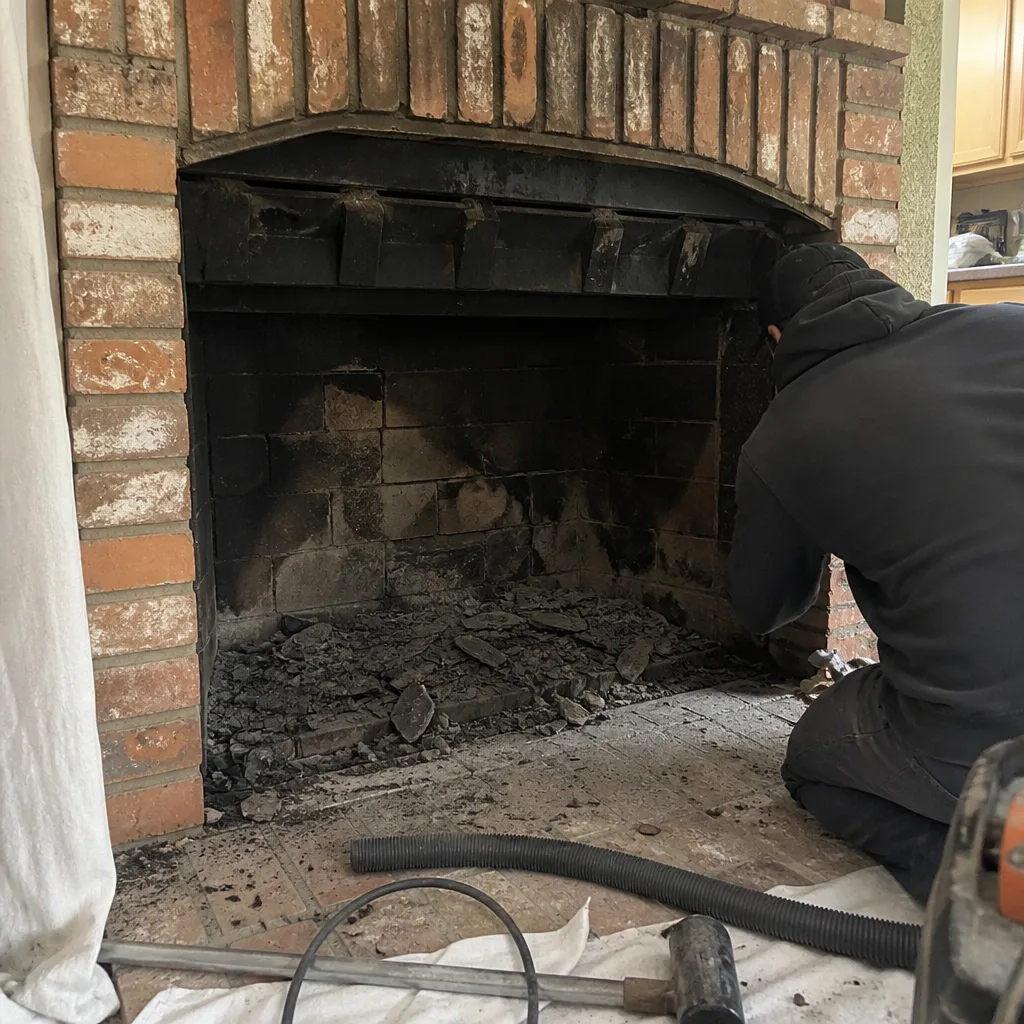 Before
 After
 Before
 After
When to Call a Professional
Call a professional chimney sweep in Fullerton when any of these is true: you’ve had a chimney fire (even a suspected one), you hear unusual sounds or smell hot metal during or after use, your CO detector has activated, you notice cracked or spalling firebox brick, your chimney cap is missing, your damper sticks, or it’s simply been more than a year since the last inspection. A routine sweep plus inspection is also the right call if you’re buying a home with a fireplace, or if you haven’t used the fireplace in a season or more and want to know it’s safe before lighting it.
Fullerton Chimney Sweep Pros offers free estimates in Fullerton. Call (866) 758-3928 to schedule an inspection or sweep. We answer 24/7, with fast dispatch from 7am to 7pm, Sunday through Friday.
Frequently Asked Questions
The price for a chimney inspection is set per job by a written estimate after we understand your system and what’s needed. We give free estimates and confirm the scope before booking, so there are no surprise charges at the door. Call (866) 758-3928 for an exact quote and we’ll explain exactly what’s included.
Yes, many chimney fires self-extinguish when they run out of creosote or oxygen, but that doesn’t mean the system is safe. A self-extinguished fire can still leave cracked tiles, a warped liner, or heat damage to the masonry that isn’t visible from the outside, and the next fire can be hotter. Call us after any suspected chimney fire for an inspection before you light the fireplace again.
Once a year for a regularly used fireplace, with an inspection each year whether or not the sweep is needed. Homes that burn daily through the season or burn less-than-dry wood may need a second sweep. Call (866) 758-3928 and we’ll set you up with an annual schedule that matches how you actually use the fireplace.
A slow-burning chimney fire can show up as a low rumbling sound, a smell like hot metal or burning paper, a faint pinging from the flue as it heats, or a slight haze of smoke in the room without visible fire. Some produce no obvious signs at all. If any of these happened during or after a fire, call (866) 758-3928 for a post-fire inspection; it’s the only reliable way to know.
Every sleeping area and every level of the home, plus at least one near the fireplace room or the hallway just outside it. California requires CO detectors in most residential homes; confirm the current requirement with the city, and treat the fireplace area as a must-cover zone, not an optional extra. If your detector has ever activated near the fireplace, call (866) 758-3928 before you use the fireplace again.
Many homeowners policies cover chimney fire damage, but the claim is much easier to process when you have a written inspection report with photos of the damage. Get the inspection first, then share the report with your insurer before repairs start. Our team provides camera documentation with our inspections for exactly that reason.
The Bottom Line
Chimney emergencies in Fullerton come in two shapes: the fast ones that need a 911 call and no further use of the fireplace, and the slow ones that need a professional inspection because the damage is hidden. Both are preventable with the same quiet work: an annual Fullerton Chimney Sweep Pros inspection, a creosote assessment by camera, a working cap and crown, a functional damper, and CO detectors placed where they’ll actually catch a problem. Our technicians have up to 15 years of experience, and we install professional-grade components from brands like DuraFlex, HeatShield, and Gelco. If you’ve had a chimney fire, if your CO detector has gone off, or if it’s simply been a while, call (866) 758-3928 for a free estimate. We answer 24/7, with fast dispatch from 7am to 7pm, Sunday through Friday.
Related reading: our fireplace repair guide covers firebox and damper work in more detail.
Written by the team at Fullerton Chimney Sweep Pros.