
Last updated November 25, 2026
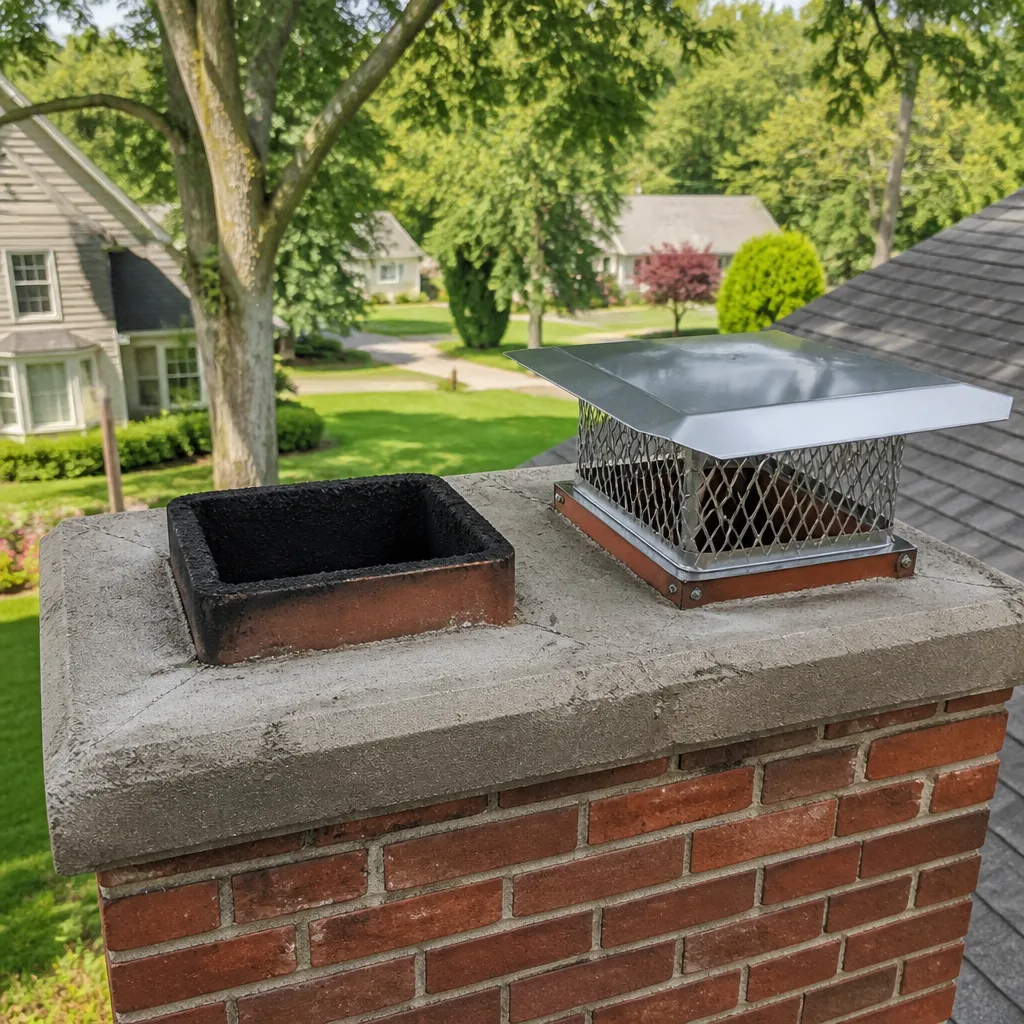 Sweep & inspection
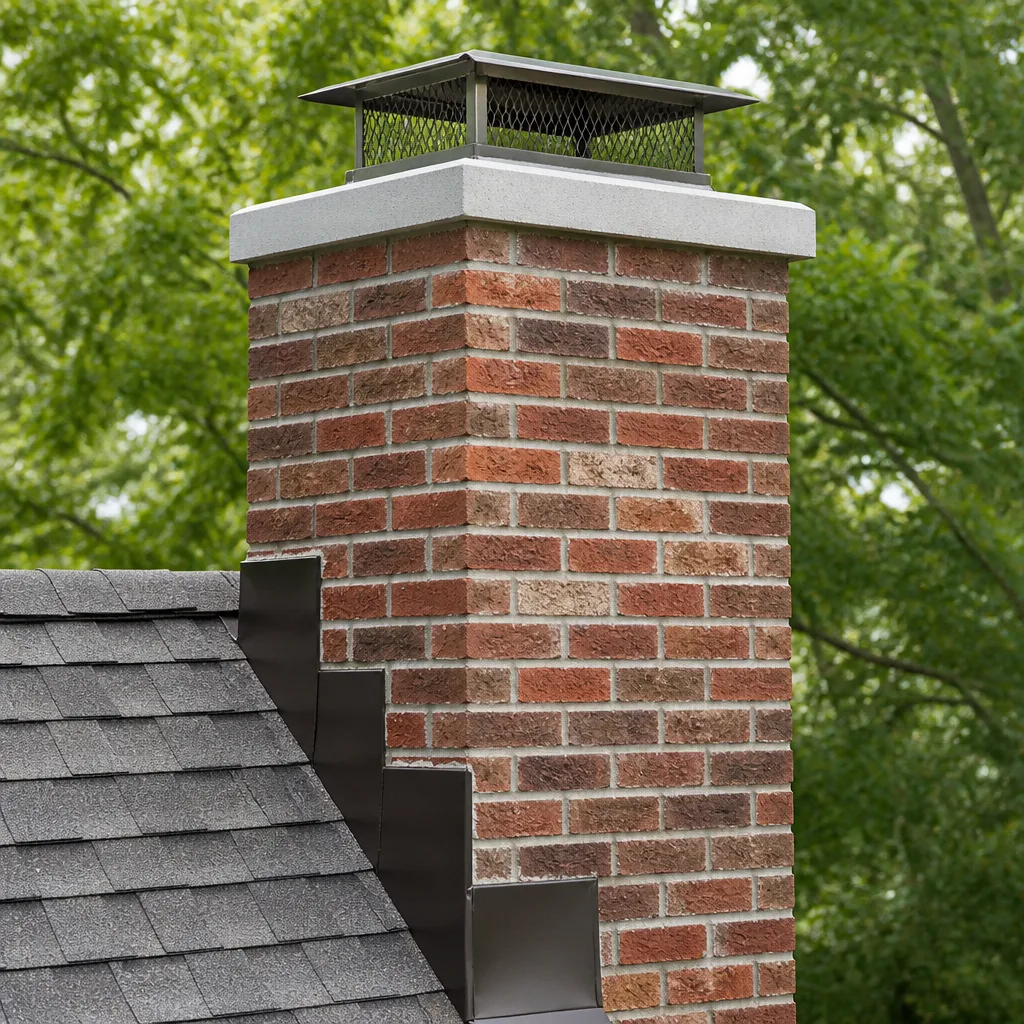 Caps & crowns
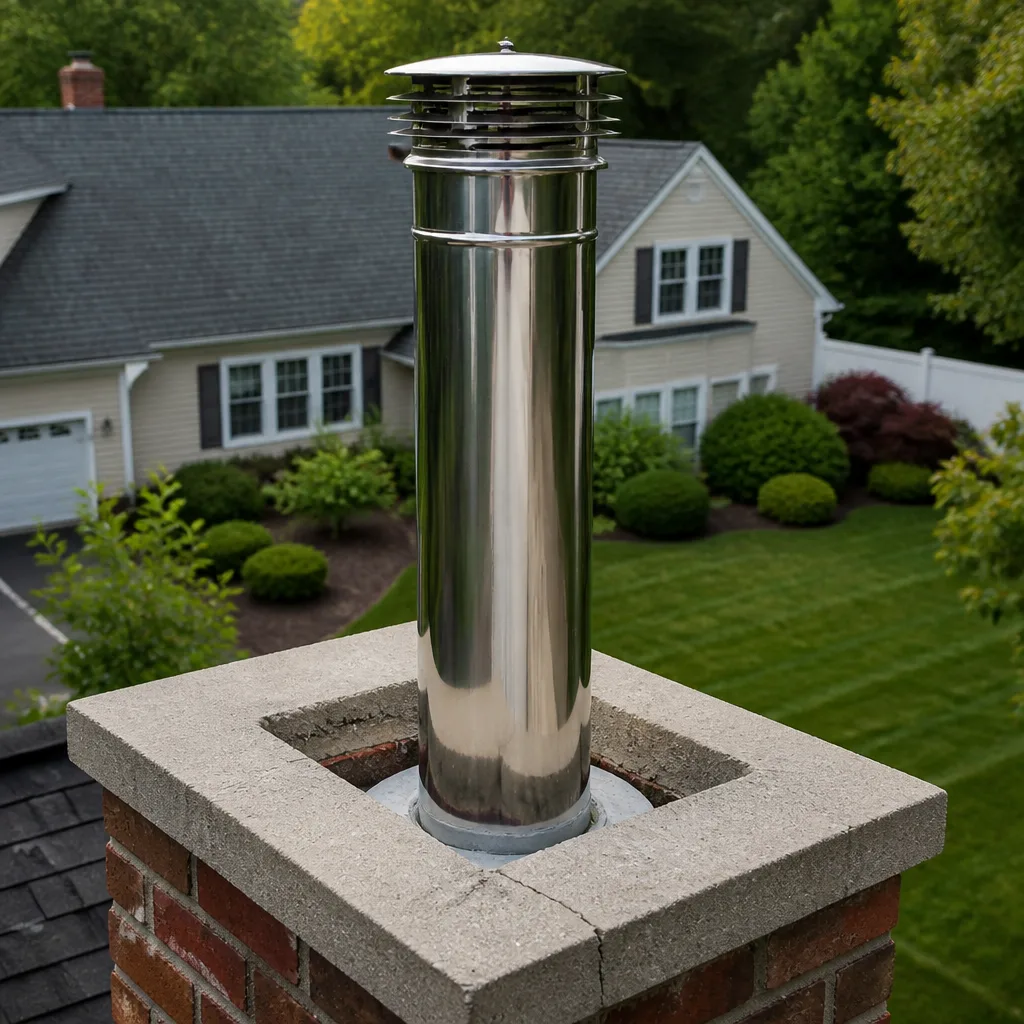 Flue relining
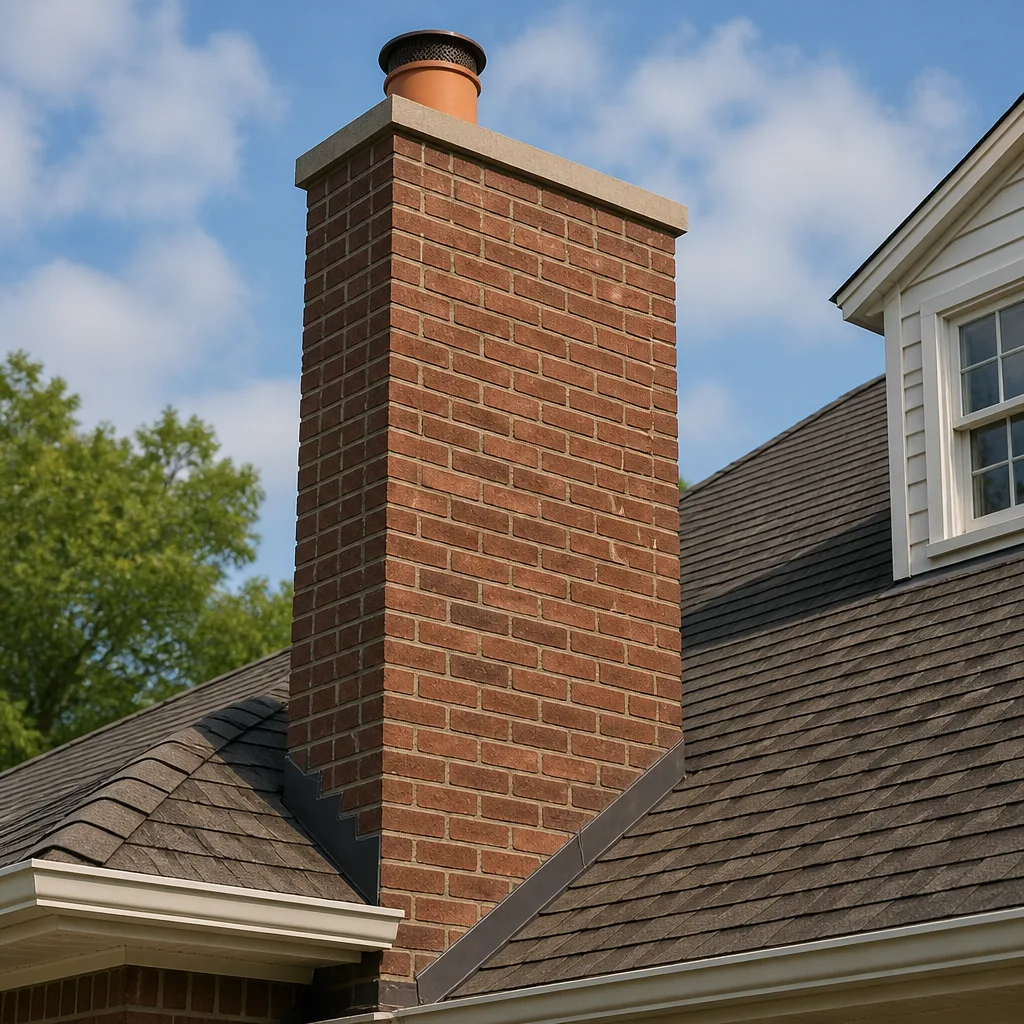 Masonry repair
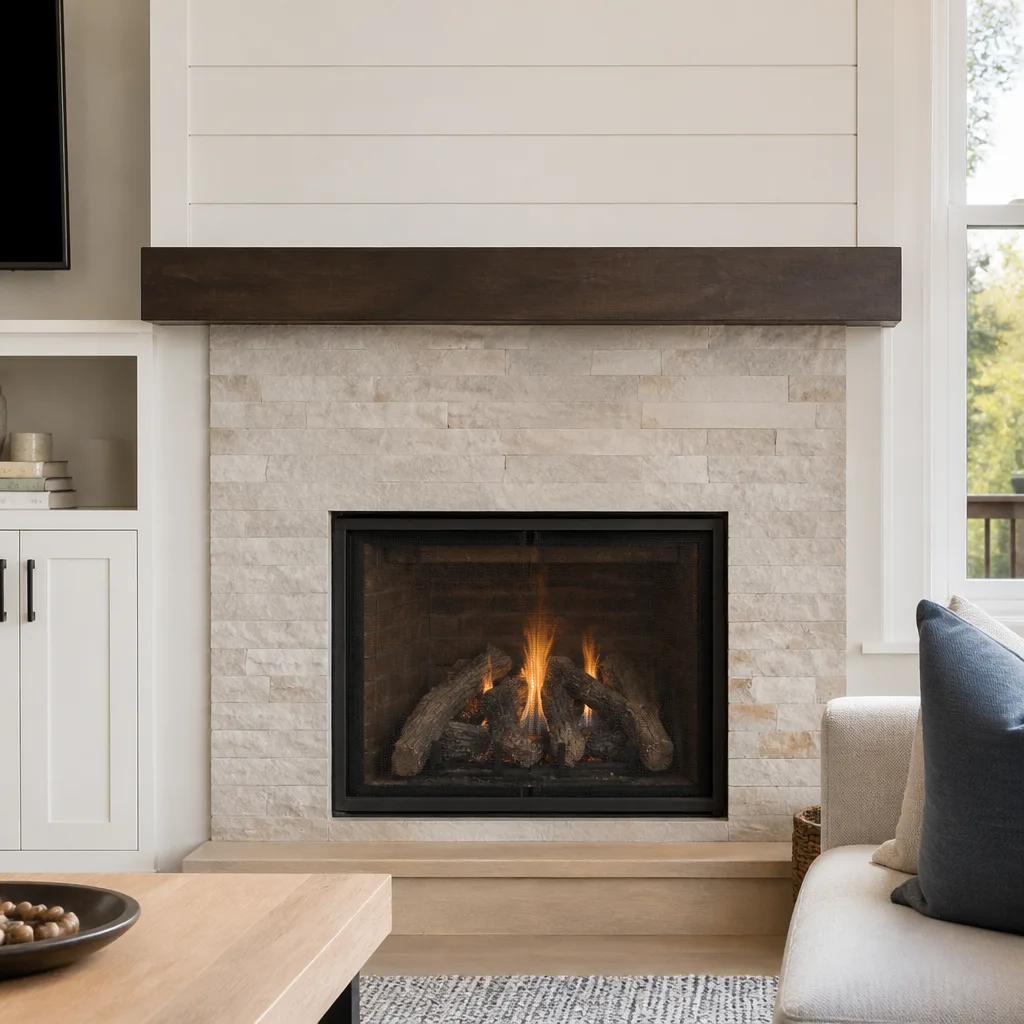 Gas fireplace service
Level 1 sweep and inspection to the NFPA 211 annual standard - flue, crown, cap, and flashing checked and photographed
Chimney sweep logs do not sweep chimneys. They loosen some creosote - which then falls where a brush and vacuum still have to collect it.
Seasonal Chimney Cleaning Care for Fullerton: Year-Round Homeowner’s Guide
Telling a Fullerton homeowner to “get the chimney cleaned every fall” is advice written for Ohio. In a Southern California house, the calendar looks different. Your fireplace might burn hard through a few cool weeks, sit dark for seven months, then face the first real test of the year exactly when fire season peaks. The more urgent question here isn’t when to book a sweep after winter. It’s what happens to a chimney that sits unused from March through November, while heat, dry wind, and the occasional storm work on it quietly. This guide breaks chimney care down by Fullerton’s actual seasons: pre-fire-season prep, the winter burning window, and the long dormancy in between.
Quick Answer
In Fullerton, the critical chimney service window is September through October, before the first fires of the season, not after winter as most national guides suggest. The long dormant stretch from spring through fall is when moisture intrusion, pest nesting, and damper corrosion cause the most damage, because the chimney never gets the drying heat of regular fires. A sweep and inspection in early fall catches all of it before you need the fireplace, and a quick cap and moisture check after any wet winter keeps small problems from becoming structural ones.
Styles & brands we work with
- Sweep & inspection
- Caps & crowns
- Flue relining
- Masonry repair
- Gas fireplace service
Table of Contents
- Why Fullerton’s Chimney Calendar Isn’t a Four-Season Calendar
- What Nine Months of Dormancy Does to a Chimney
- The September-October Window: Why Pre-Season Beats Post-Season
- Summer Care: What to Do With a Chimney You’re Not Using
- Wet Winters vs. Dry Winters: What Changes After Rain
- A Month-by-Month Chimney Calendar for Fullerton
- Santa Ana Winds, Debris, and the Cap Question
- What You Can Check Yourself (and What You Can’t)
Why Fullerton’s Chimney Calendar Isn’t a Four-Season Calendar
A chimney in the Midwest goes through four distinct phases: a wet spring, a hot summer, a cold burning season, and a freeze that locks everything in place for months. Fullerton doesn’t work that way. We get a long, warm dry stretch, a short and mild winter burning window, and the periodic Santa Ana wind events that push humidity down and dust and debris around. That’s closer to two real seasons and one long in-between.
The practical effect is that most Fullerton chimneys spend the majority of the year completely idle. A fireplace in a Fullerton home might see regular use for eight to twelve weeks, then go cold. During that idle stretch, the system has no heat moving through it, no updraft pulling moisture out of the flue, and no reason for anyone to look up at the cap or the crown. Problems that would dry out or get noticed in a colder climate just sit there and get worse.
There’s a second local factor: fire season. When the hills go dry and the winds pick up, the last thing a Fullerton homeowner wants is a chimney full of creosote and a firebox that hasn’t been checked since last winter. The pre-season inspection is also the pre-fire-season inspection, and those two priorities line up neatly on the calendar. A chimney sweep in early fall handles both jobs at once, well before the first cold night pushes everyone indoors.
So the guide you’re reading follows the local sequence: prep in fall, burn in winter, protect in spring, monitor through summer. Not four seasons, three phases and one long watch.
What Nine Months of Dormancy Does to a Chimney
A chimney that sits unused from March through November has no heat moving through it, and that idle stretch causes the most damage. There are three specific things a dormant chimney in Fullerton has to survive, and none of them are on the usual chimney-care checklist.
1. Moisture Intrusion
Without regular fires, a chimney never fully dries out. Moisture gets in through a cracked crown, a missing or rusted cap, or failed flashing where the chimney meets the roofline, and then it stays. Over months, that trapped moisture works on the mortar, the firebox, and eventually the flue liner. Water damage is the single most common chimney problem we see in dormant Southern California chimneys, and it usually starts small: a hairline crack in the crown, a missing cap screen, a damper that won’t close tight.
2. Pest Nesting
An open flue is an invitation. Birds, squirrels, and other animals find an uncapped chimney a sheltered, out-of-the-way place to build a nest. Once a nest is blocking the flue, you have two problems: an obstruction that can push smoke and carbon monoxide back into the house when you finally light a fire, and a combustible mass sitting inside the chimney. A cap with a proper screen eliminates that risk entirely, and it’s one of the most useful upgrades a Fullerton homeowner can make for a chimney that sits idle most of the year.
3. Damper Corrosion
The damper is a steel plate that hinges open and closed. Without regular use and without the airflow that a working fire creates, condensation and dust collect on the damper, and rust starts. A damper that rusts shut won’t open when you need it, and a damper that won’t close tight lets cold air, moisture, and animals in all year. Testing the damper a few times through the off-season is a low-effort habit that prevents most of the failure modes.
All three of these problems share one trait: they’re invisible from the living room. You’ll notice them as a smoky fire, a draft, a smell, or a pest problem, usually on the first cold night of the year when you can least afford the surprise. A pre-season inspection catches them in September, when there’s still time to fix them properly. Our technicians have up to 15 years of experience with exactly this pattern, and it’s the reason we recommend inspecting before a chimney goes dormant, not just after.
The September-October Window: Why Pre-Season Beats Post-Season
Most chimney-care guides tell you to sweep after the last fire of the season. For a Fullerton chimney, the better move is to sweep and inspect in September or October, before the first burning night. There are a few reasons this works better here.
- You catch dormancy damage before it becomes fire risk. A flue blocked by a bird’s nest or a firebox weakened by nine months of moisture is safe to find in September and dangerous to find in December.
- The creosote from last winter gets cleared before it has a full year to harden. Creosote left in a flue through the dry season bakes harder with heat, and harder creosote is more expensive to remove.
- Caps, crowns, and flashing get tested before the first rain. Any repair that needs to happen gets done while the weather is still dry, not in the middle of the first wet storm.
- You get on the schedule before the fall rush. The window between Labor Day and the first cold snap is when every Fullerton homeowner remembers the fireplace. Booking earlier in that window gives you flexibility on timing.
- The inspection doubles as fire-season prep. An empty, inspected, properly capped chimney is a safer chimney during dry, windy months, full stop.
Post-season sweeps still have a place, especially after a heavy burn year, but they’re a clean-up, not a strategy. If you only do one service a year in Fullerton, make it the pre-season sweep and inspection.
A proper pre-season visit covers more than the sweep itself. A Fullerton Chimney Sweep Pros visit includes a camera inspection and photo report, so you see exactly what’s in the flue, on the crown, and around the cap, and you get a written record to compare against next year. That’s the standard we work to, and it’s what makes the year-over-year comparison meaningful.
Summer Care: What to Do With a Chimney You’re Not Using
Summer is the season when most chimney damage in Fullerton happens, precisely because nobody’s paying attention. The fireplace is cold, the flue is dark, and the long hot stretch is quietly working on the system. A few low-effort habits cover most of it.
Damper position
Keep the damper closed through the summer when you’re not burning. An open damper is an open door for moisture, dust, insects, and cool air loss from the house. Test it once a month with a quick open-and-close motion so the hinge doesn’t rust in place. If it sticks, or won’t seal, that’s a repair worth doing before fall, not a thing to live with.
Cap inspection after wind events
Fullerton gets high wind events through the dry months, and those winds are hard on chimney caps. A strong gust can bend a screen, lift a loose cap, or push a limb against the crown. After any significant wind event, take five minutes with binoculars from the yard and look at the top of the chimney. If the cap is tilted, the screen is damaged, or the crown looks cracked, that’s a call. A damaged cap is the single easiest way for water and animals to get into a chimney otherwise closed for the season.
Moisture checks after summer storms
Summer rain is rare here, which is exactly why it’s worth checking after it happens. After a real rain event, look for water staining on the ceiling near the chimney, dampness around the firebox, or a musty smell in the room. Any of those point to a leak at the crown, flashing, or cap, and they’re much cheaper to fix early. If the firebox stays dry and the ceiling is clean, you’re likely fine until the fall inspection.
One quick visual habit
Once a month from May through September, do a two-minute walkthrough: look at the firebox for rust or staining, look at the damper, look at the ceiling near the chimney, and glance up at the cap from the yard. It takes almost no time, and it catches the majority of dormancy problems while they’re still small.
Wet Winters vs. Dry Winters: What Changes After Rain
Fullerton winters swing between wet years and dry years, and the two produce different chimney problems. A dry winter mostly means more creosote buildup and more debris in the cap. A wet winter, the kind that comes with an El Niño pattern, hits the chimney from the outside in, and it’s the wet years that do the structural damage.
Here’s what matters after a wet winter:
- Crown condition. The crown is the concrete cap on top of the chimney that sheds water away from the flue. Years of sun followed by a wet winter will open cracks that let water straight down. A cracked crown is the leading cause of major chimney water damage, and it’s easy to fix when it’s small.
- Flashing at the roofline. Where the chimney meets the roof, metal flashing seals the joint. Wet winters test every seam. Look for water stains on the ceiling, dampness in the attic near the chimney, or corrosion on the flashing itself.
- Brick and mortar joints. Mortar is porous. A wet winter pushes moisture into the joints, and then the dry months pull it out. That wet-dry cycle is exactly what causes spalling, where the face of a brick flakes off. Look for brick dust on the roof or ground below the chimney.
- The cap and its screen. Wet, windy winters bend caps and tear screens. A damaged cap lets water in and lets animals in.
- The firebox and damper. Moisture that gets past the cap or crown collects at the bottom of the system, rusting the damper and staining the firebox.
After a notably wet winter, treat the spring inspection as a post-storm check, not just a cleaning. That’s the year to actually look at the crown, the flashing, and the masonry, not just sweep the flue. A chimney repair visit in the spring catches wet-winter damage while the dry months can still cure the mortar properly, and it gives you a clear picture of what’s worth fixing now and what can wait.
A Month-by-Month Chimney Calendar for Fullerton
Here’s the actual calendar for a Fullerton chimney, built around pre-season prep and the long dormancy. Twelve slots, each with one clear job.
- January: Peak burning month. Check the firebox monthly, keep an eye on smoke draw, and listen for changes in how the fire behaves.
- February: Last stretch of regular fires. Note any draft, smoke, or smell issues for the spring inspection.
- March: Sweep and inspect after the burning season ends. This is the post-season check that clears creosote and catches any problems that showed up during winter.
- April: Post-wet-winter inspection. Crown, flashing, brick faces, and the cap get a close look now, before the dry season starts.
- May: Masonry repairs get done. Mortar cures best in the mild, dry spring weather. If a crack in the crown needs sealing, this is the window.
- June: First full dormancy month. Close and test the damper. Confirm the cap screen is intact. Do a visual moisture check on the firebox.
- July: High heat, no use. Check the crown and cap for sun damage. Look for brick dust below the chimney.
- August: Late-summer inspection. If a cap or crown needs replacing, do it now, before the first fall wind events and before the booking window fills.
- September: The most important month. Pre-fire-season sweep and full inspection. Camera check of the flue, structural check of the crown and flashing, and a written report you can act on.
- October: Any pre-season repairs get finished. Cap damaged in wind events? Replaced. Damper stiff? Fixed. This is the last calm window before regular burning starts.
- November: First fires of the season. Watch the first burn closely for smoke or draft problems. If something feels off, stop and call, don’t push through.
- December: Peak season. Monthly firebox checks, and keep the cap clear of any debris that blows in.
That calendar won’t look like the one in a national best-practice guide, and that’s the point. It’s built around the actual pattern of a Fullerton year: prep in the fall, burn in the winter, protect in the spring, monitor through the summer.
Santa Ana Winds, Debris, and the Cap Question
Santa Ana wind events are the wildcard on the Fullerton calendar. They arrive fast, they’re dry, and they push debris around with real force. For a chimney, that means three things to watch:
- Debris in the flue. Leaves, palm fronds, and other material blow into uncapped or partially capped flues. A flue with debris is a flue that can’t draw properly, and a flue with dry debris is a fire risk during fire season.
- Cap damage. Caps and screens that survive a normal year can be bent or torn by a strong gust. After any notable wind event, do the binocular check from the yard.
- Crown damage. Wind doesn’t usually break a crown, but it exposes cracks that were already there. A crown that sheds a small piece is one to look at closely.
This is where cap quality matters. A generic cap from a home center will do the job for a mild season, but for a Fullerton chimney that faces real wind events and a long idle stretch, purpose-built caps hold up better. We install Gelco and Famco chimney caps and covers, and the difference is mostly in how they’re engineered to shed water and stay put. The point isn’t brand loyalty; it’s that a cap that stays intact through a full year of wind, heat, and the occasional wet storm prevents the exact damage the rest of this guide is about. A damaged or missing cap is the leading way animals and water get into a chimney that would otherwise be closed up tight from March through November.
If you’re starting from an uncapped flue, that’s the single easiest fix on the list. A cap installed well solves birds, most water intrusion from the top, and debris from the wind, all at once, and it doesn’t need to be replaced every year.
What You Can Check Yourself (and What You Can’t)
There’s a clear line between the chimney checks a homeowner can safely do and the work that has to go to a trained professional. Knowing where the line sits keeps you safer and saves you from unnecessary DIY.
What you can check
- Look at the firebox for cracks, staining, or rust. A flashlight is enough.
- Test the damper. Open and close it, and make sure it seals.
- Look at the ceiling and the wall near the chimney for water stains.
- Glance up at the cap and crown from the ground with binoculars. Check for tilt, damage, or missing screens.
- Look at the brick faces on the outside of the chimney for flaking or brick dust accumulation.
- Smell the room near the fireplace for mustiness, especially after rain.
What you can’t safely check
- The inside of the flue. A visual check from below can’t see the upper flue, and can’t tell creosote from soot. A camera inspection is the only way.
- Creosote thickness and type. Level-three creosote, a hardened glaze, is a fire risk and requires professional equipment to remove.
- The full crown, flashing, and upper masonry. Those need a roof-level view, and a chimney is the most dangerous place on a house to work from.
- Carbon monoxide risk. A blocked or damaged flue pushes exhaust back into the house, and that’s not something you can find with a flashlight.
Chimneys are dangerous to work on, and we mean that plainly. A fall from a roofline, or a face full of creosote, is a real risk for anyone who doesn’t do this daily. Get on the roof only for a look with binoculars from the yard, and send a trained technician for anything that needs hands on it. The fireplace repair you do yourself is usually undone within a season; the repair a trained technician makes is built to last.
Common Mistakes to Avoid
- Sweeping in spring only and forgetting about fall. Post-season cleaning is one piece of the puzzle. The September inspection is the piece that actually protects you before the first burn.
- Leaving the flue uncapped through summer. An open flue in a nine-month dormancy is a birdhouse, a wind tunnel, and a water channel. A cap solves all three.
- Ignoring the crown until it’s a masonry job. A hairline crack in the crown becomes a spalled brick becomes a masonry repair. Sealing a small crack is far less work than restoring a chimney, and it’s the single most preventable repair we see in Fullerton.
- Trusting generics on a dormant chimney. A cap from a home center can bend or tear in the first real wind event. For a Fullerton chimney that sits idle most of the year, purpose-built caps (Gelco and Famco are the two we install) hold up better, and the difference shows up in the second or third year.
- Skipping the inspection because “it looks fine from the living room.” The problems that matter, creosote glaze, crown cracks, a compromised flue liner, are all invisible from where you sit. A camera inspection and photo report let you see exactly what’s in the flue, and the report gives you something to compare against next year.
- Putting off a liner question until a fire forces the issue. A deteriorating flue liner is a repair you schedule on your own terms or a much bigger job you do after the fact. Liner resurfacing with HeatShield handles most liner deterioration without a full replacement, but it needs to be caught early.
- Treating dampness as “just moisture.” Water that stays in a dormant chimney rusts the damper, rots the firebox, and spalls the brick. Any water stain or musty smell is worth a call, not a wait-and-see.
See the difference
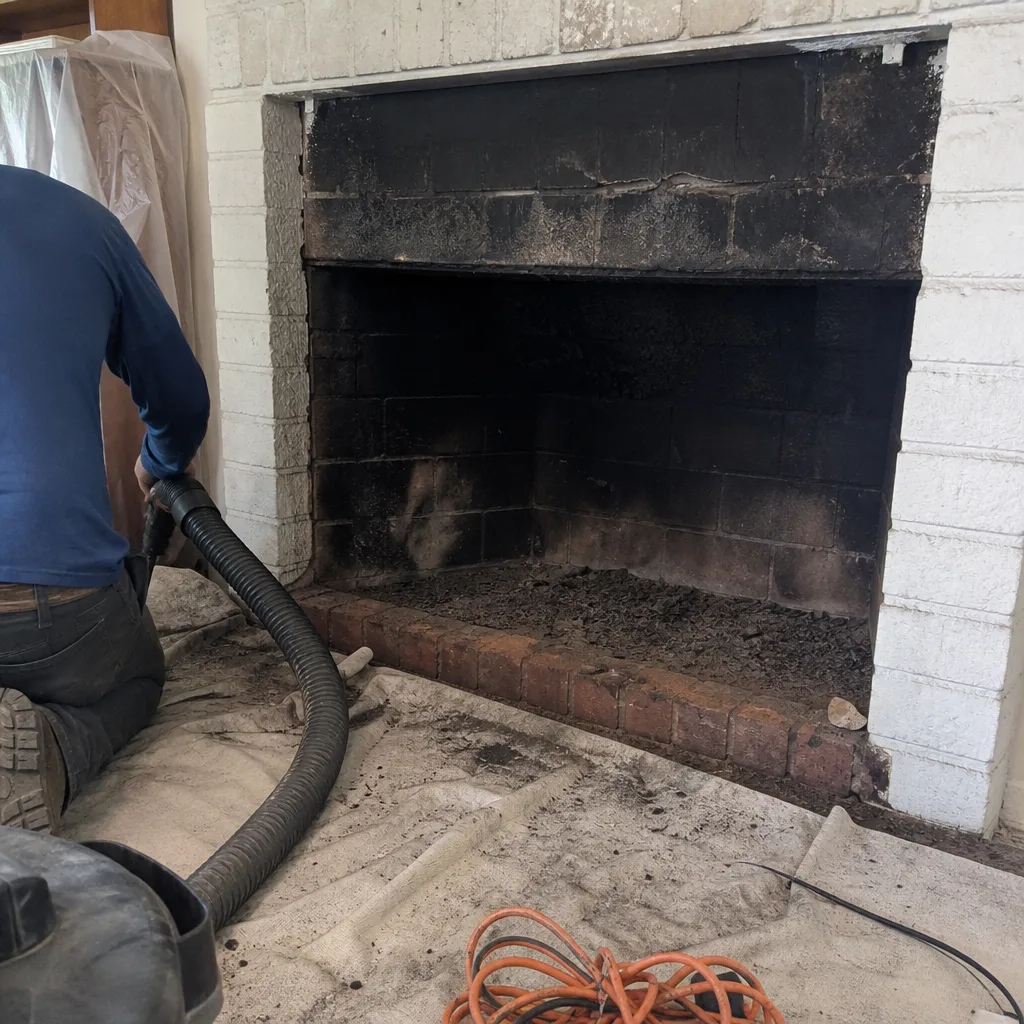 Before
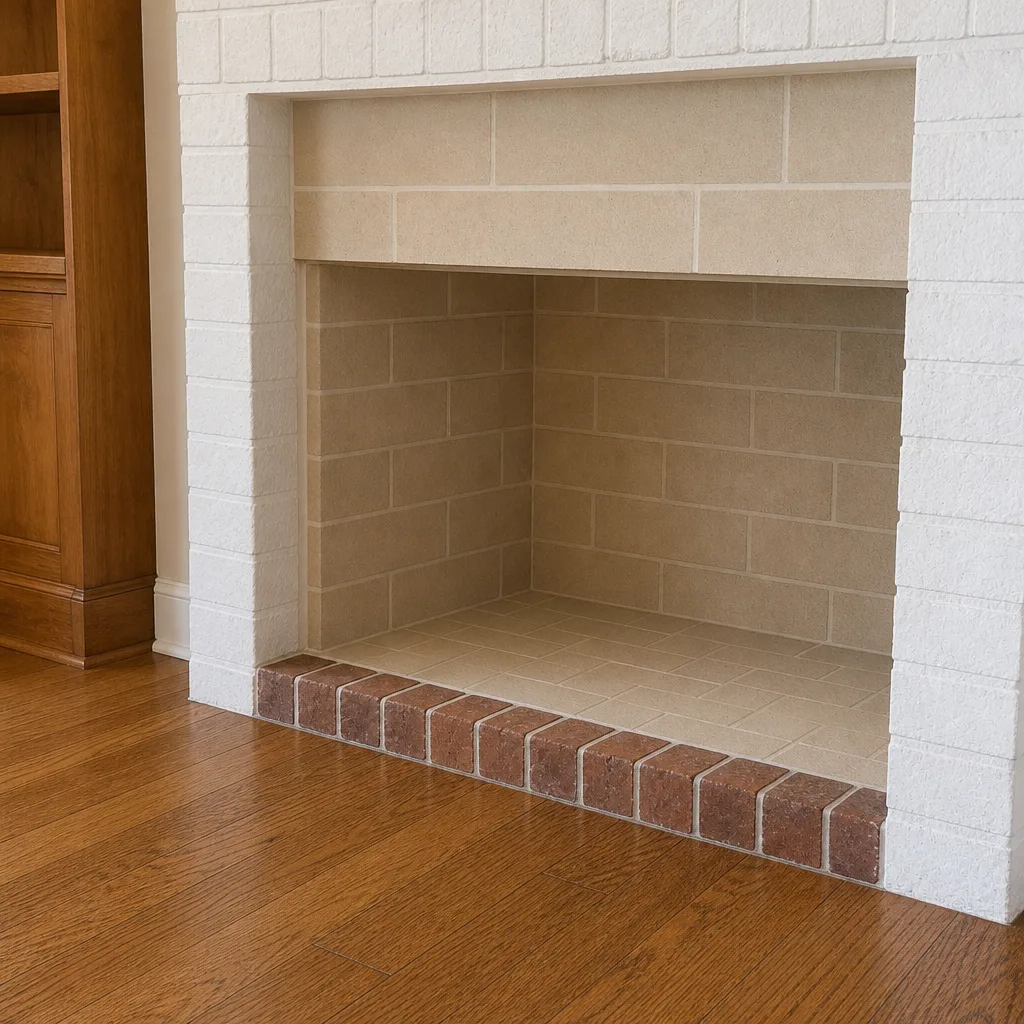 After
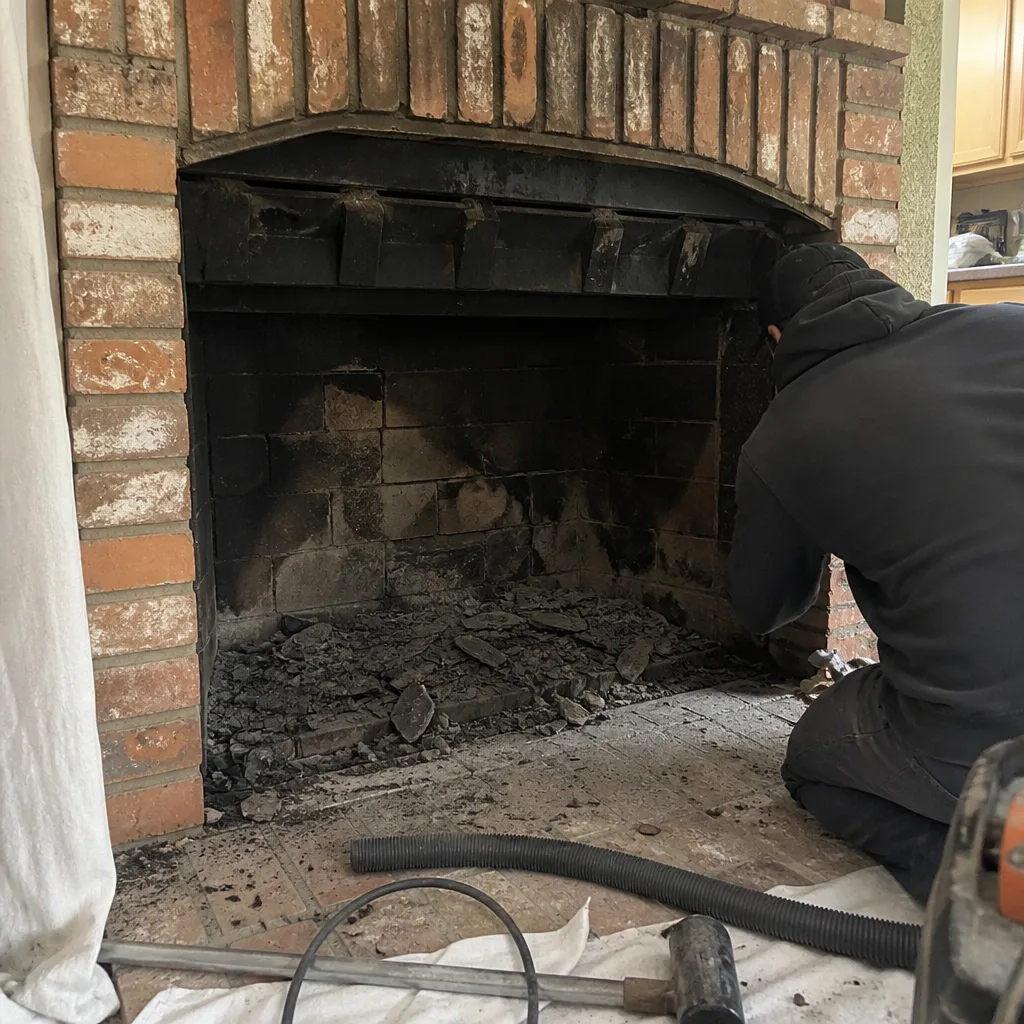 Before
 After
 Before
 After
When to Call a Professional
Some chimney work is routine and can be scheduled. Some needs a call soon. The routine end is the annual sweep and inspection, best booked in September or October before the season starts. The “call soon” list is shorter than you’d think, but it matters: smoke that rolls into the room on a cold start, a firebox that smells musty after rain, brick dust piling up below the chimney, a cap that’s visibly damaged after wind, a damper that won’t close, or anything that smells like gas near the fireplace. Any of those point to a problem worth diagnosing before it gets worse.
Fullerton Chimney Sweep Pros offers free estimates in Fullerton, and every visit includes a camera inspection and photo report, so you see exactly what’s in the flue and what the crown and cap look like before we recommend anything. Call (866) 758-3928. We answer 24/7. Fast dispatch from 7am to 7pm, Sunday through Friday.
One thing worth saying plainly: not every visit ends in a repair. If the flue is clean, the crown is intact, and the cap is solid, we say so, and we tell you what to keep an eye on before next season. The written estimate sets the price, and there’s no charge for the visit that ends in “you’re fine until September.”
Frequently Asked Questions
September or October, before the first fires of the season. Unlike the national advice to sweep after winter, a Fullerton chimney is safer and cheaper to service before it goes into use, because that’s when you catch dormancy issues like blocked flues, pest nests, and moisture damage before they become a problem during the first cold week. Call (866) 758-3928 for an exact quote; estimates are free.
Once a year is standard for most homes, and the annual sweep should happen in the fall. If you burn more than a cord of wood per winter, or notice creosote building quickly, twice a year is worth considering. The pre-season inspection tells you what your specific chimney actually needs, which is more useful than a fixed rule.
Yes. A dormant chimney faces moisture intrusion, pest nesting, and damper corrosion during the idle months, and none of those show up from inside the house. An annual inspection, even in a light-burning year, is the cheapest way to catch them. Call (866) 758-3928 for an exact quote; estimates are free.
Get a post-wet-winter inspection that focuses on the crown, flashing, brick faces, and cap. Wet winters in Fullerton do their damage from the outside in, and spring is the right time to catch it, because the dry months that follow let masonry repairs cure properly. A spring inspection in a wet year is worth more than a sweep.
Most deteriorating liners can be restored with HeatShield resurfacing rather than replaced, provided the damage is caught before it’s structural. That’s exactly why the annual inspection matters: a small deterioration is a resurfacing job, while a badly compromised liner may need a full replacement with a system like DuraFlex. Call (866) 758-3928 for an exact quote; estimates are free, and the camera report shows you exactly what’s going on.
A clean, capped, inspected chimney is low risk even in high wind. A chimney with creosote buildup, debris in the flue, or a damaged cap is a real risk, because a wind-driven ember or dry debris can ignite it. The pre-season inspection exists to make sure you’re in the first category, not the second. Call (866) 758-3928 for an exact quote; estimates are free.
The Bottom Line
Fullerton chimney care follows the local calendar, not the national one. The main event is the September-October sweep and inspection, which catches dormancy damage before the first burn and doubles as fire-season prep. The long stretch from March through November is when moisture, pests, and damper corrosion do their quiet work, so the summer checks, cap inspection, and post-rain walk-throughs carry more weight here than in a colder climate. The annual cycle is simple: prep in the fall, burn in the winter, inspect after wet weather in the spring, monitor through summer. Do that and you’ll know what your chimney actually needs, instead of guessing from the living room.
Written by the team at Fullerton Chimney Sweep Pros.