
Last updated November 25, 2026
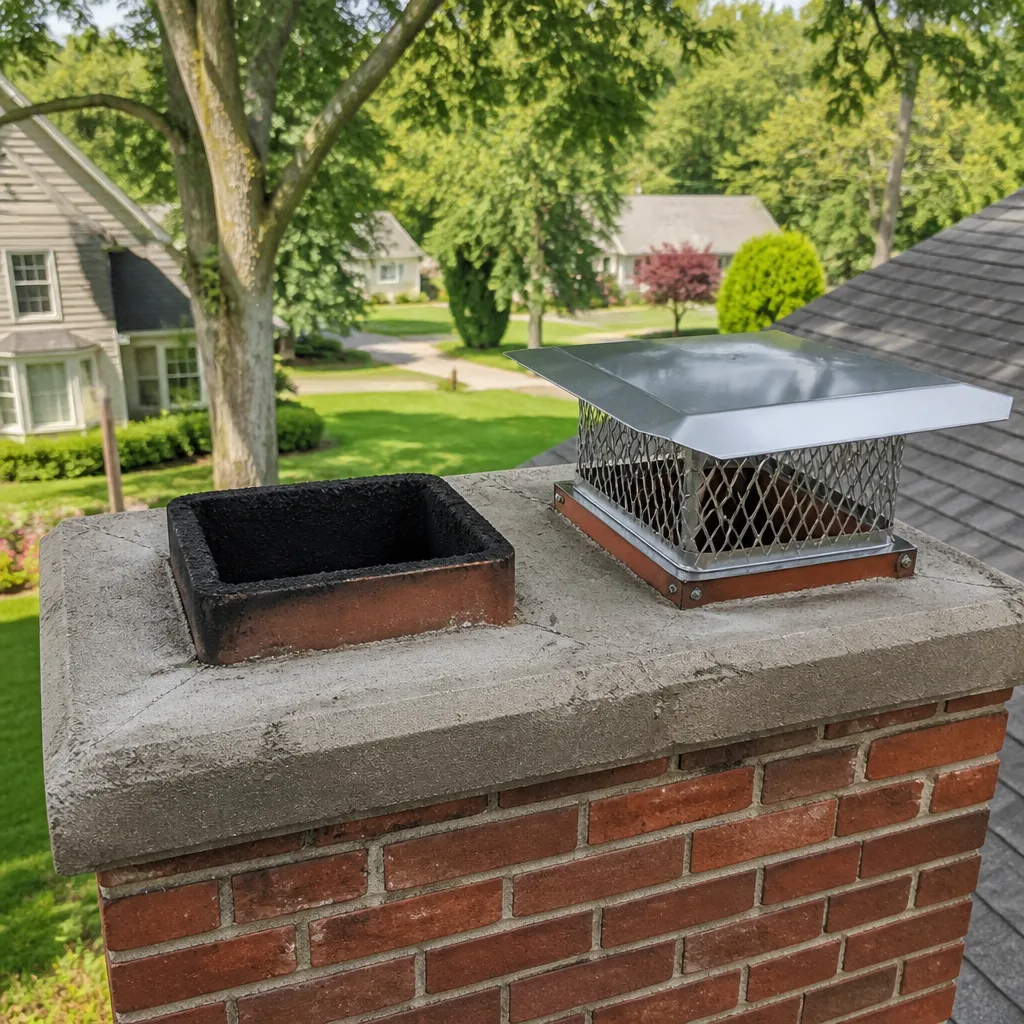 Sweep & inspection
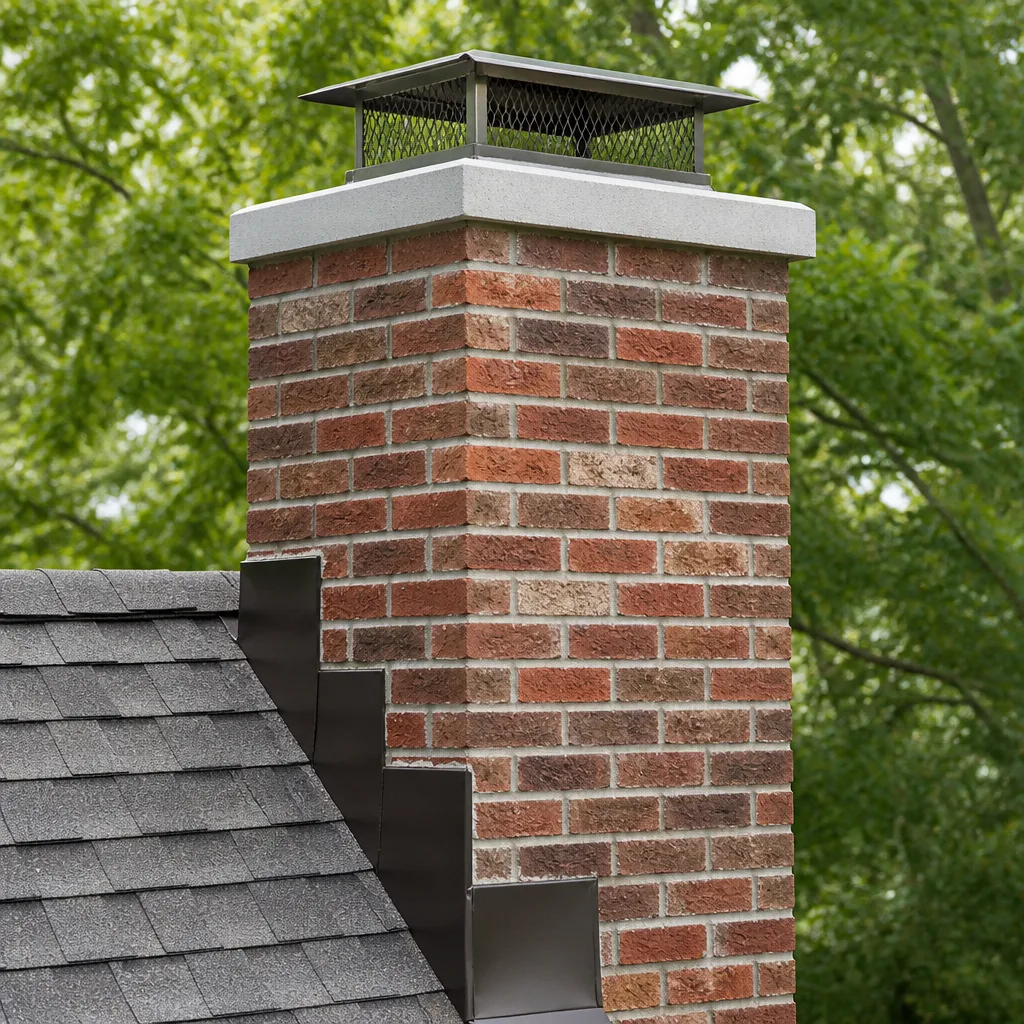 Caps & crowns
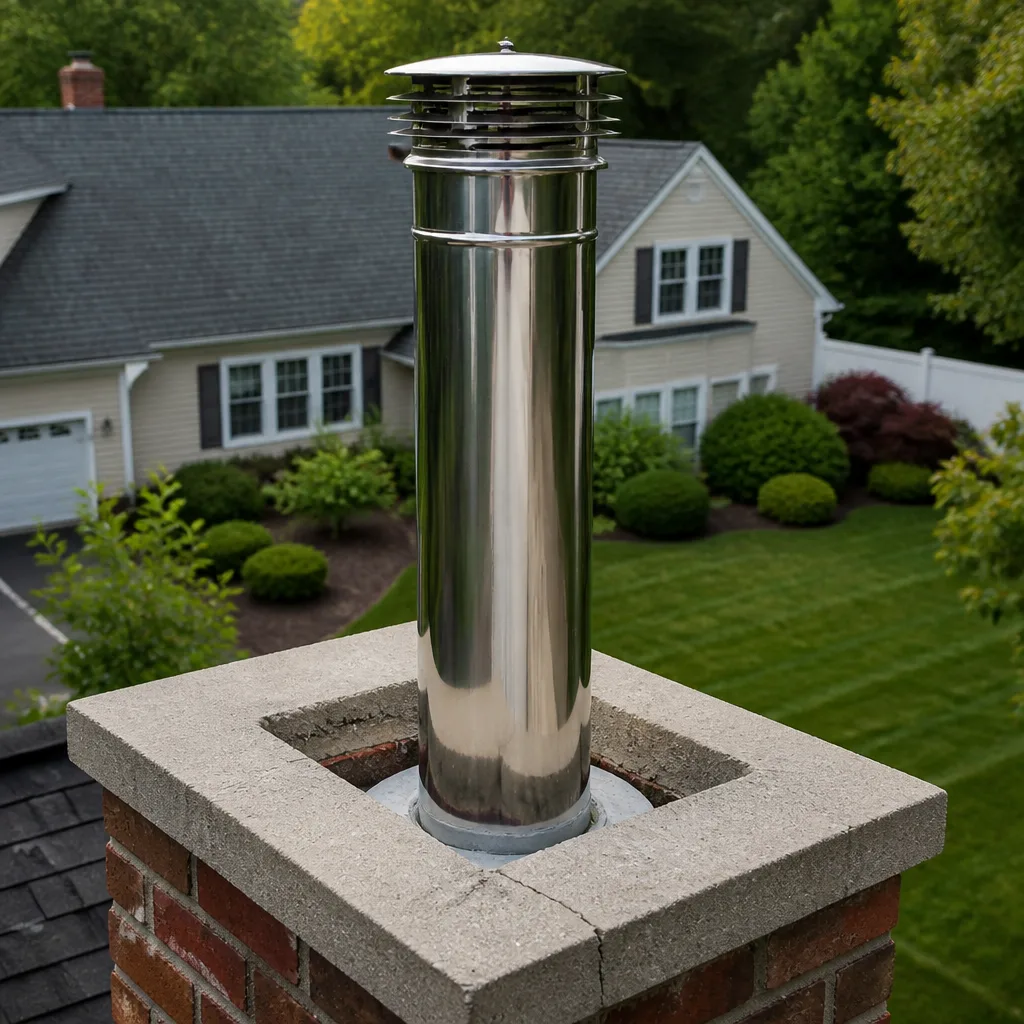 Flue relining
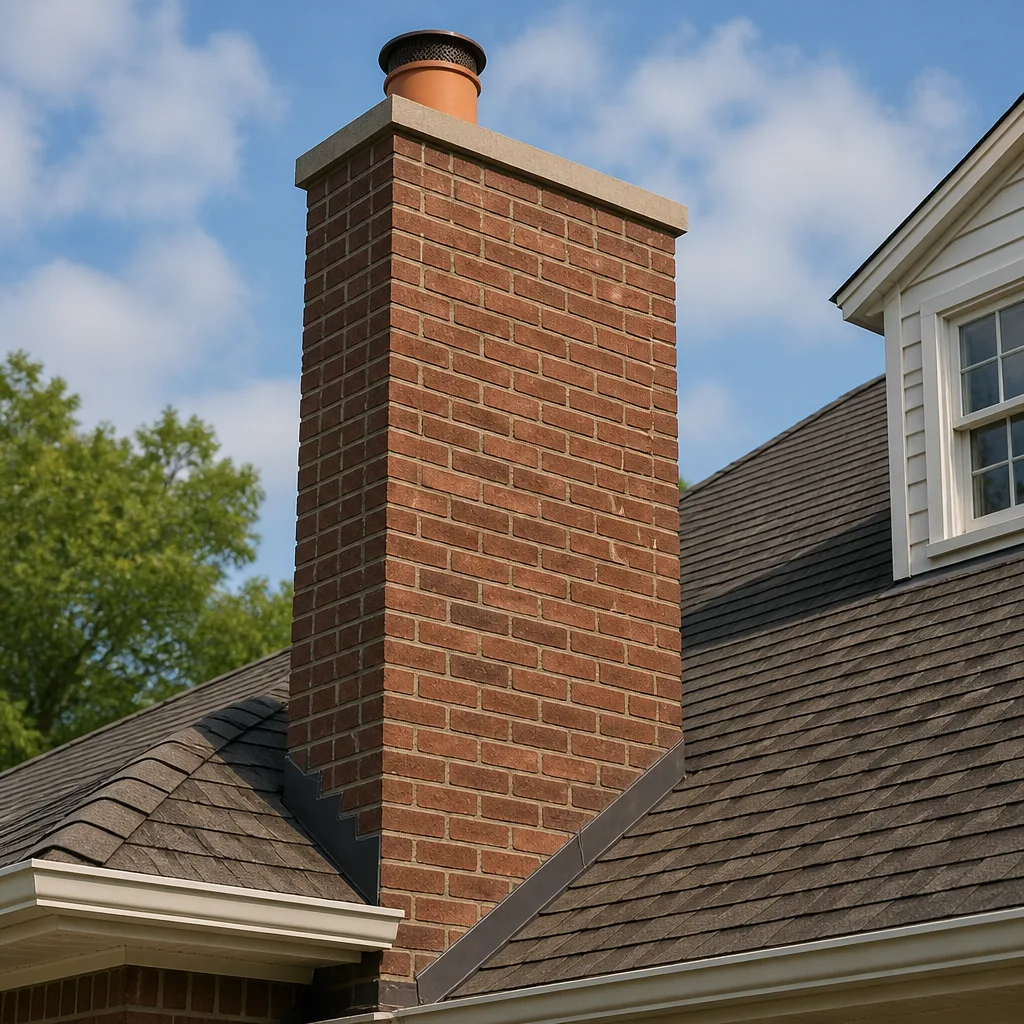 Masonry repair
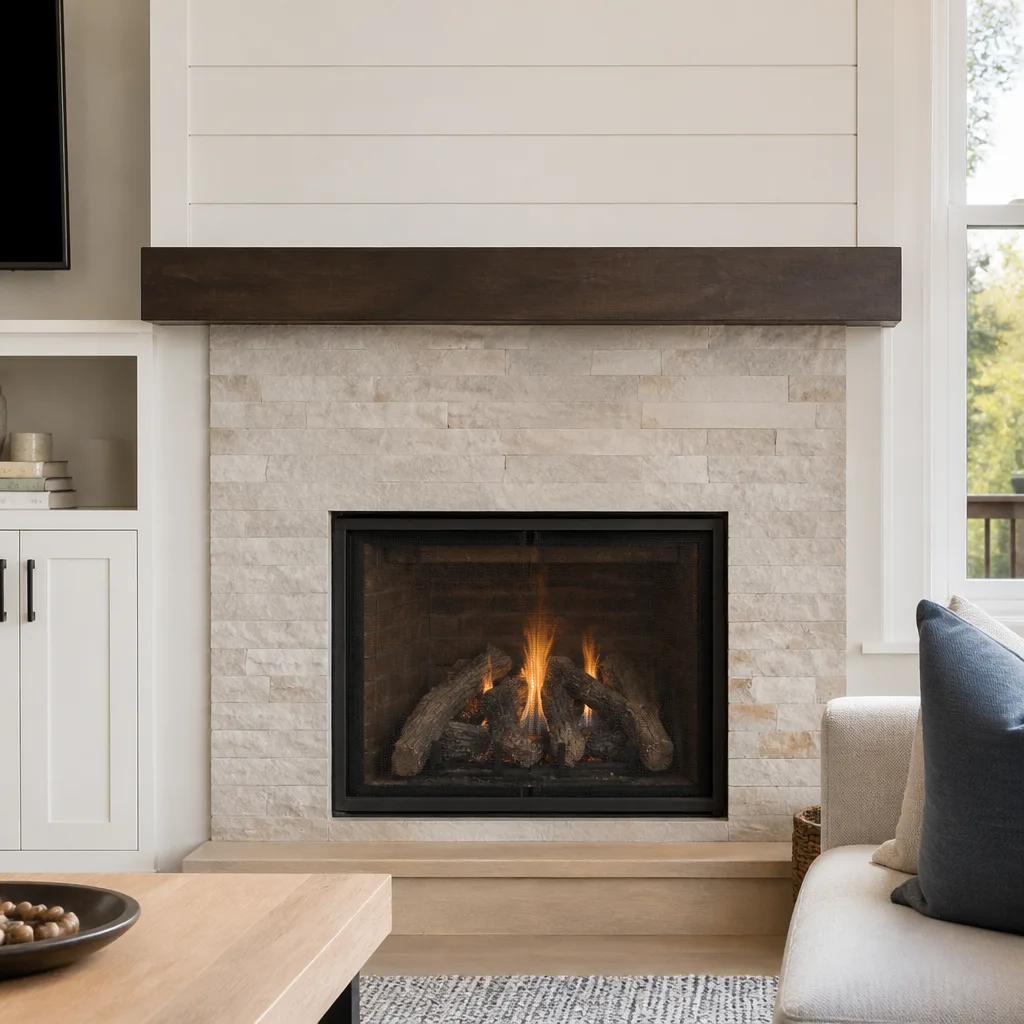 Gas fireplace service
Level 1 sweep and inspection to the NFPA 211 annual standard - flue, crown, cap, and flashing checked and photographed
Chimney sweep logs do not sweep chimneys. They loosen some creosote - which then falls where a brush and vacuum still have to collect it.
Chimney Cleaning Cost Breakdown: The Fullerton Homeowner’s Reference for 2026
A $99 cleaning special sounds reasonable until you understand what it actually covers: one flue brushed, no camera inspection, no cap check, no written report. That’s an oil change without pulling the dipstick. In Fullerton, where so many homes run fireplaces through the mild winter and then sit unused for months, the gap between “brushed” and “actually clean and safe” is where the real cost question lives. This guide breaks down every line item in a chimney cleaning bill so you can read an estimate and know what you’re paying for. We’ll cover real 2026 price ranges, what legitimately raises a cleaning price, what doesn’t, and the long-term math on deferred maintenance.
Quick Answer
A standard chimney cleaning in Fullerton typically runs $175 to $325 in 2026, depending on chimney height, flue count, and creosote condition. Add a Level 1 inspection and you’re usually looking at $225 to $375, while a Level 2 video inspection pushes the total to $350 to $550. Cleaning bundled with minor repairs like a firebox mortar touch-up or a cap replacement commonly lands between $400 and $900. These are typical estimated ranges; the written estimate you receive sets the final price.
Styles & brands we work with
- Sweep & inspection
- Caps & crowns
- Flue relining
- Masonry repair
- Gas fireplace service
Table of Contents
- What Actually Drives Chimney Cleaning Cost in Fullerton?
- 2026 Price Ranges for Each Service Tier
- Legitimate Cost Drivers vs. Upsell Tactics
- Material Cost Transparency: What Parts Really Cost
- How to Compare Two Estimates With Different Scope
- The Long-Term Cost Math of Deferred Cleaning
- Fullerton-Specific Factors That Affect Your Bill
- How a Professional Cleaning Actually Works
What Actually Drives Chimney Cleaning Cost in Fullerton?
Chimney cleaning cost in Fullerton is built from four real variables: the height of the chimney, the number of flues, the stage of creosote inside the flue, and whether anything is living in or on top of it. A single-story ranch home in the Sunny Hills area with one flue and light soot is a fundamentally different job than a two-story home near downtown with a fireplace flue and a furnace flue, heavy glazed creosote, and a bird nest wedged against the damper. The labor, the tooling, and the time all change.
The reason this matters is that a base price quoted over the phone can only reflect the simplest possible job. When a technician arrives and finds a second flue or a thick creosote layer, the price has to move up – not because you’re being taken, but because the scope changed. A fair estimate accounts for these variables up front or explains them on-site before work starts.
The four legitimate drivers:
- Chimney height. Taller chimneys require more ladder work, more brush sections, and more time. A chimney above the roofline by several feet takes longer to reach and clean safely.
- Flue count. A masonry chimney serving both a fireplace and a furnace or water heater has two flues, and each needs brushing. Many pricing quotes assume one.
- Creosote stage. Stage 1 (light soot) brushes out easily. Stage 2 (flakey, crusty deposits) takes more passes. Stage 3 (glazed, tar-like creosote) is the hardest to remove and often needs chemical treatment before brushing – this is the single biggest legitimate price jump.
- Animal intrusion or heavy debris. Nests, leaves, and fallen masonry in the flue add removal time and often require a camera to confirm the flue is clear afterward.
None of these are upsells. They’re conditions that exist inside your chimney right now, whether or not anyone points them out. The goal of a professional assessment is to name them before the job begins, not surprise you midway through. When you call Fullerton Chimney Sweep Pros, the estimate is free and the scope is agreed before booking.
2026 Price Ranges for Each Service Tier
Chimney cleaning isn’t one service – it’s a range of services that stack. Here’s how the 2026 Fullerton and Orange County market breaks down by tier. These are typical estimated ranges, not fixed prices; your written estimate is what governs.
Tier 1: Standard Cleaning
Brushing of a single flue, removal of soot and debris, and a visual check at the firebox and damper. This is the entry-level service and the one most “specials” advertise. Typically $175 to $325. It does not include a camera inspection or a written report.
Tier 2: Cleaning With Level 1 Inspection
The standard cleaning plus a Level 1 inspection – a visual examination of the accessible portions of the chimney, firebox, and venting with a written report on condition. This is the tier we recommend for most Fullerton homeowners because it moves the job from “cleaned” to “assessed.” Typically $225 to $375.
Tier 3: Cleaning With Level 2 Video Inspection
The cleaning plus a camera run through the full length of the flue, with a photo report of what the camera saw. This tier matters when there’s a known problem, after a chimney fire, when a liner is aging, or when you’re buying or selling a home. Typically $350 to $550.
Tier 4: Cleaning Plus Minor Repairs
The cleaning plus small repairs identified during the inspection – a firebox mortar touch-up, a cracked crown seal, a missing or damaged cap, or a loose damper. This is where most real-world jobs land. Typically $400 to $900 depending on what’s found. For larger repair scope, see our chimney repair service.
| Service Tier | Typical 2026 Range | What’s Included |
|---|---|---|
| Standard cleaning | $175 – $325 | Single flue brushed, soot and debris removed, visual check at firebox and damper |
| Cleaning + Level 1 inspection | $225 – $375 | Above, plus full visual exam of accessible components with written report |
| Cleaning + Level 2 video inspection | $350 – $550 | Above, plus camera run through full flue length with photo report |
| Cleaning + minor repairs | $400 – $900 | Cleaning, plus firebox mortar touch-up, crown reseal, cap replacement, or damper fix |
For a broader look at what a professional chimney sweep includes in the Fullerton area, see the service page. Every estimate is free and the price is set per job by the written estimate.
Legitimate Cost Drivers vs. Upsell Tactics
The line between a fair add-on and an upsell is whether it’s backed by evidence you can see. A technician who says “your flue needs a liner” without showing you the camera footage is asking you to trust a claim you have no way to verify. A technician who runs the camera, shows you the cracked clay tile on screen, and then quotes the repair is doing the job right. That distinction is the whole game.
Legitimate cost drivers
- Second flue. If your chimney serves two appliances, the second flue needs its own brushing. This is a real scope increase, not a trick.
- Stage 3 glazed creosote. Glazed creosote is a fire hazard and doesn’t brush off like soot. It needs chemical treatment and follow-up passes, which is more labor.
- Animal nest removal. Squirrels and birds work their way into flues in Fullerton, especially in spring and fall. Removing a nest and confirming the flue is clear takes time.
- Cracked or missing crown. A worn crown lets water into the chimney structure. Repair is a real cost and a real need – see our fireplace repair page for related work.
- Deteriorated liner. When a clay liner has cracked, the repair may be a liner resurfacing job using a professional-grade system like HeatShield, which restores the flue without a full liner replacement.
Upsell tactics that inflate bills without added value
- Charging for a “camera inspection” that’s really just a flashlight look. A Level 2 inspection uses a camera. If they’re calling a flashlight look a camera inspection, that’s a problem.
- Recommending a full liner replacement when resurfacing would do. A HeatShield resurfacing system can restore a deteriorated flue in many cases, and it costs far less than a full liner replacement. If the first recommendation is always “replace,” ask why resurfacing isn’t an option.
- Pressure to repair on the spot without a written quote. Real repairs come with a written scope and a written price. If they won’t put it in writing, don’t agree to it.
- Cleaning “specials” that add fees on arrival. If the $99 price turns into $350 because of “conditions found,” the original price wasn’t real – the conditions should have been quoted up front.
Our approach is straightforward: nothing is recommended without camera evidence you can see for yourself, and we’ll tell you plainly when work can safely wait. That’s the standard any chimney professional should hold to.
Material Cost Transparency: What Parts Really Cost
One of the least-discussed parts of chimney pricing is materials. When a cap or crown repair shows up on your estimate, it helps to know roughly what those parts cost so you can judge whether the markup is reasonable. Here’s the transparency you won’t find on most estimates.
Firebox repair mortar
Heat-resistant firebox mortar is inexpensive as a raw material – typically $20 to $60 for enough to touch up a firebox. The cost of a firebox repair is almost entirely labor: cleaning out failed mortar, repacking joints, and letting the repair cure. If a firebox touch-up is quoted at $250 to $500, most of that is labor, and that’s normal.
Chimney crown coat
A crown coating product runs roughly $30 to $80 per container. Crown repair itself – resealing, patching, or rebuilding a cracked crown – typically runs $300 to $800 depending on whether it’s a coat-over or a rebuild. The material cost is small; the labor and access are what you’re paying for.
Stainless steel chimney caps
A purpose-built stainless steel cap from a brand like Gelco or Famco typically costs $80 to $250 depending on size and configuration. Installation adds labor and access, so a supplied-and-installed cap commonly runs $200 to $450. Custom or oversized caps sit at the top of that range.
Liner materials
A stainless liner from a brand like DuraFlex or Copperfield is a bigger material purchase – typically $300 to $900 for the liner alone, depending on length and diameter. A HeatShield flue resurfacing system, by contrast, uses a different material approach that often costs less overall and avoids full replacement in suitable cases. If you’re quoted a full liner replacement, ask whether resurfacing was evaluated.
What to do with this information
You don’t need to price out every part. You just need to know that when a $60 mortar job shows up on an estimate at $600, most of that gap is labor and access – and that when a stainless cap is quoted at $1,200 installed, something is off. Knowing the rough material cost lets you ask a fair question: “What’s labor and what’s material on this line?”
We work with a curated roster of professional-grade brands – DuraFlex, HeatShield, Gelco, and Olympia Chimney among them – the same materials specified by certified chimney professionals nationwide. We install and stand behind professional-grade parts, not the cheapest thing available.
How to Compare Two Estimates With Different Scope
The single biggest reason homeowners get confused by chimney cleaning quotes is that the two quotes usually aren’t for the same job. One might be a bare-minimum brush; the other might be a full cleaning with inspection and a written report. Comparing their totals tells you nothing. Comparing their scope tells you everything.
Use this checklist to compare fairly. At any given price tier, ask whether the estimate includes:
- The number of flues. One flue or all flues. If the number isn’t stated, ask.
- Level 1 inspection. A visual examination with a written report – not a verbal “looks fine.”
- Level 2 video inspection. Camera footage with a photo report. Ask whether the camera is included or extra.
- Cap check. Whether the existing cap is inspected for damage, and whether a missing cap is flagged.
- Crown check. Whether the crown is inspected for cracks and resealing is discussed.
- Written findings. A report you keep, with photos where relevant. A verbal report isn’t a report.
- Repair scope. Any recommended repair should list the material, the labor, and the reason. “It needs work” isn’t a scope.
- Cleanup. A drop cloth, HEPA containment, and full cleanup are standard on a professional job and should be assumed, not charged extra.
Two estimates at $250 can be worlds apart. One might include a Level 1 inspection and a written report; the other might include neither. When you know what should be in the price, you can tell which one is actually fair. We’re happy to walk you through what’s included in ours before you book – and everything is confirmed in writing before we start.
A note on “specials”
The $99 cleaning special is real, but it buys a real service: one flue brushed. It doesn’t include inspection, a report, or a cap check, and if the flue has heavy creosote or a second flue, the price will rise. That’s not a bait-and-switch – it’s the difference between a brush and an assessment. The question is whether the low price is advertised as a cleaning or as a complete service. If it’s advertised as the latter, keep walking.
The Long-Term Cost Math of Deferred Cleaning
Deferred chimney cleaning doesn’t save money. It defers a small bill and replaces it with a large one. The math is worth running out loud.
A standard cleaning in Fullerton runs $175 to $325. A liner resurfacing with HeatShield – the moderate repair for a flue that’s deteriorated – typically runs $1,200 to $2,500 depending on length and condition. A full stainless liner replacement runs higher. A masonry rebuild of a chimney damaged by a chimney fire or long-term water intrusion can run into the thousands. So the question isn’t whether cleaning is “worth it.” It’s whether you’d rather spend a few hundred dollars a year, or a few thousand once.
Deferred cleaning costs you in three ways:
- Creosote accumulation. Every fire adds a layer of creosote. Stage 1 brushes off. Stage 2 takes more passes. Stage 3 glazing is hard to remove, is a fire hazard, and often triggers a repair bill that a yearly cleaning would have prevented.
- Water damage from a compromised cap or crown. The two most common sources of chimney water damage are a missing cap and a cracked crown. Both are checked and repaired as part of routine service – and both are expensive to fix once the masonry is saturated.
- Carbon monoxide risk. A blocked or deteriorating flue can let combustion gases back into the home. A cleaning and inspection is the check that keeps the vent path clear.
When does annual cleaning pay for itself? The honest answer: as soon as it prevents a single moderate repair. If your chimney was due for a $200 cleaning and instead needs a $1,500 liner resurfacing because the creosote was left to glaze, the avoided cost is more than a year of cleanings. For most families burning firewood regularly through the winter, a yearly cleaning is the cheapest line item in the whole chimney budget.
We’ll tell you plainly when work can safely wait. Not everything found on an inspection needs to be fixed this season. The time to act is when the evidence shows a real risk – glazed creosote, a cracked flue, a failing crown – and not before.
Fullerton-Specific Factors That Affect Your Bill
Chimney pricing in Fullerton isn’t identical to pricing everywhere, and a few local realities shape the bill.
The local housing stock
Fullerton has a wide mix of housing ages and styles, from older single-story homes in neighborhoods like Sunny Hills and Coyote Hills to mid-century ranches and newer construction. Older masonry chimneys often have clay tile liners that have aged, and that’s where inspection and liner assessment show up on the estimate. Newer homes tend to have simpler venting, which keeps the job shorter.
The mild winter and the burn habit
Fullerton winters are mild, so fireplaces are often used in bursts rather than steadily all season. That pattern actually matters: a fireplace that burns a few nights a week accumulates creosote more slowly than one burning daily, but the deposit can still build up over a season. We recommend a sweep before the burning season so the flue is clean and inspected before the first fire, not after.
Local building requirements
Chimney and venting work in Fullerton is subject to local building code, and larger structural repairs typically require a permit from the city. We flag when a permit is likely and help you understand the scope before work starts. If you’re unsure whether your job needs one, the city’s building department is the authority – and it’s worth asking before any significant repair.
What’s on the roof
Fullerton’s warm, dry summers and mild winters mean wildlife activity around rooflines is steady. Squirrels and birds find their way into uncapped flues, and a missing cap is a common find during a cleaning. A purpose-built cap from Gelco or Famco closes that gap and pays for itself by preventing the intrusion in the first place.
How a Professional Cleaning Actually Works
Knowing what a cleaning involves helps you judge whether you’re getting a real one. Here’s the sequence a professional cleaning follows.
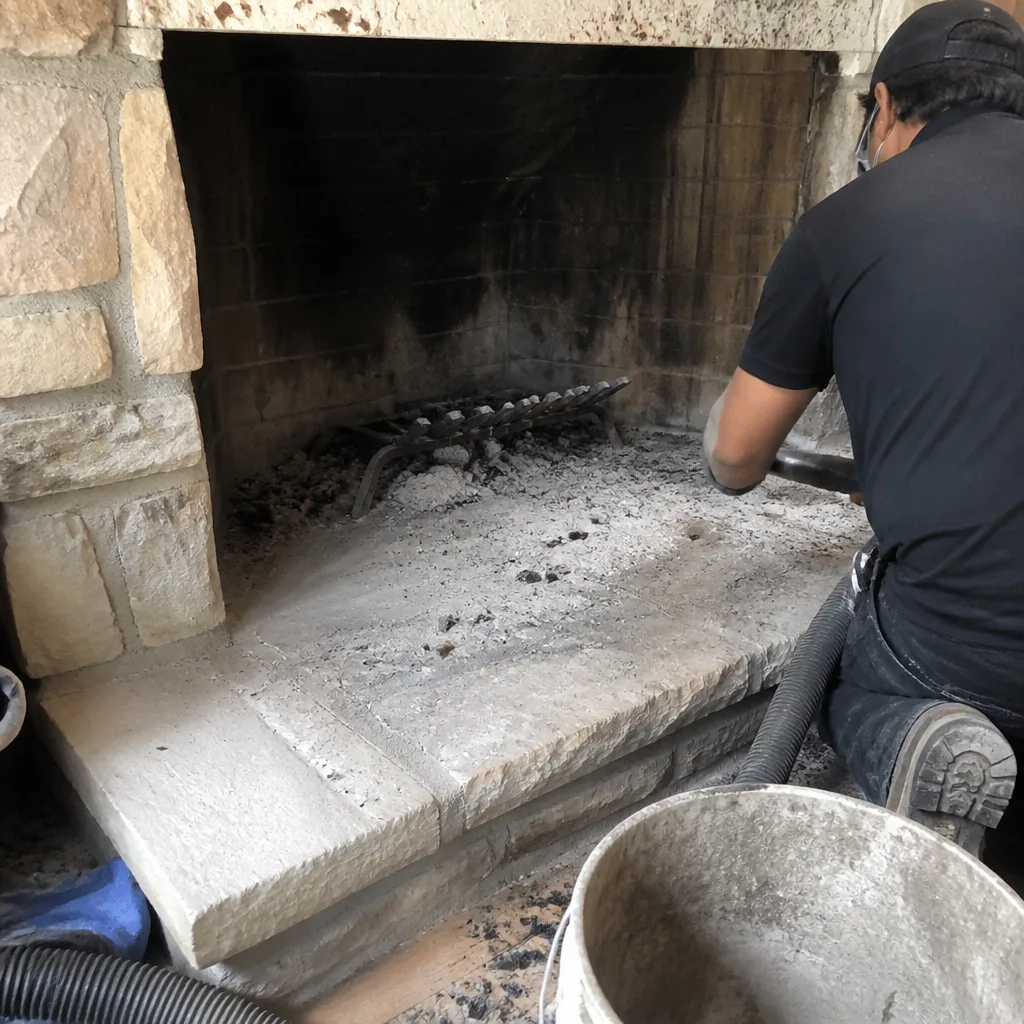
- Protect the room. Drop cloths go down around the firebox and a HEPA vacuum runs throughout to keep dust contained.
- Inspect the firebox and damper. Before brushing, the technician checks the firebox for failed mortar, the damper for operation, and the smoke chamber for buildup.
- Brush the flue. A rotary brush sized to the flue runs the full length from the roof, with the vacuum capturing soot and debris below.
- Remove and bag debris. Soot, creosote, nests, and any fallen masonry are removed and bagged – not swept into the firebox.
- Run the camera if the tier includes it. A Level 2 camera inspection runs the full flue length and captures footage of the liner condition.
- Check the cap and crown. The roof-side components are inspected for damage, and any issue is documented with photos.
- Write up the findings. A written report with photos where relevant is reviewed with you, and any recommended repairs are quoted in writing with the reason.
If a cleaning is missing steps 5, 6, or 7, it’s a brush, not an assessment. That’s the difference the tiers are meant to make clear.
Common Mistakes to Avoid
- Booking on price alone. A $99 special is a real service, but it’s a brush, not an inspection. Know what you’re buying before you book, and ask whether a written report is included.
- Skipping the camera inspection on an older chimney. In a Fullerton home with an older clay liner, a camera run is how you find out whether the flue is sound. Without it, you’re guessing.
- Accepting a repair quote with no evidence. If a technician says the flue needs a liner but can’t show you the camera footage, ask for it. Any legitimate recommendation comes with visual proof.
- Waiting until the first cold week to book. Fireplace season brings a booking crunch. Schedule the sweep before the burning season starts so the flue is clean and assessed before the first fire.
- Ignoring a missing cap. A missing cap lets water, animals, and debris in. It’s one of the cheapest fixes on a chimney and one of the most important to do early.
- Assuming a general handyman can do the job. Chimney and fireplace systems are a specialty. A handyman who “can take a look” may miss a cracked flue or a failing crown entirely.
- Treating annual cleaning as optional. The math on deferred cleaning is clear: a yearly sweep costs a few hundred dollars; a deferred liner or masonry repair costs ten times that. Call (866) 758-3928 for a free estimate and get a straight answer on what your chimney actually needs.
See the difference
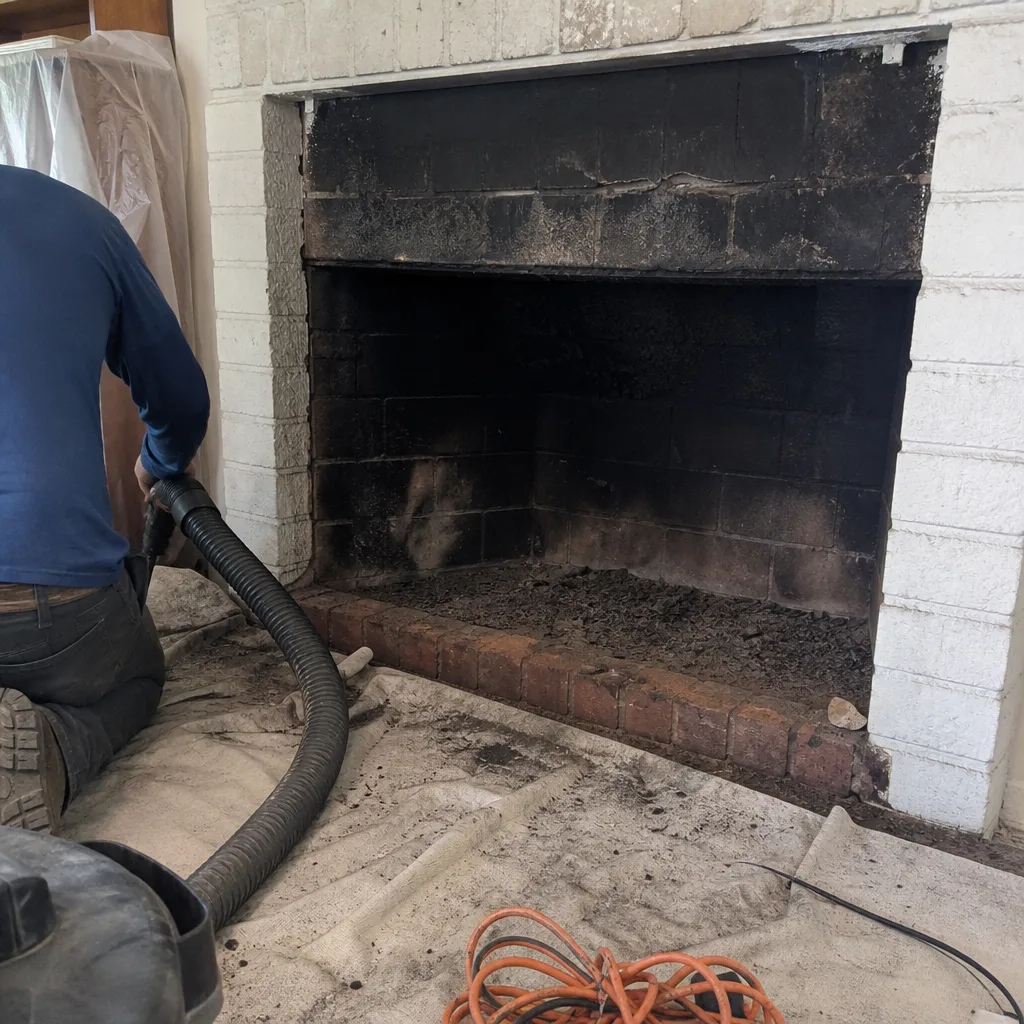 Before
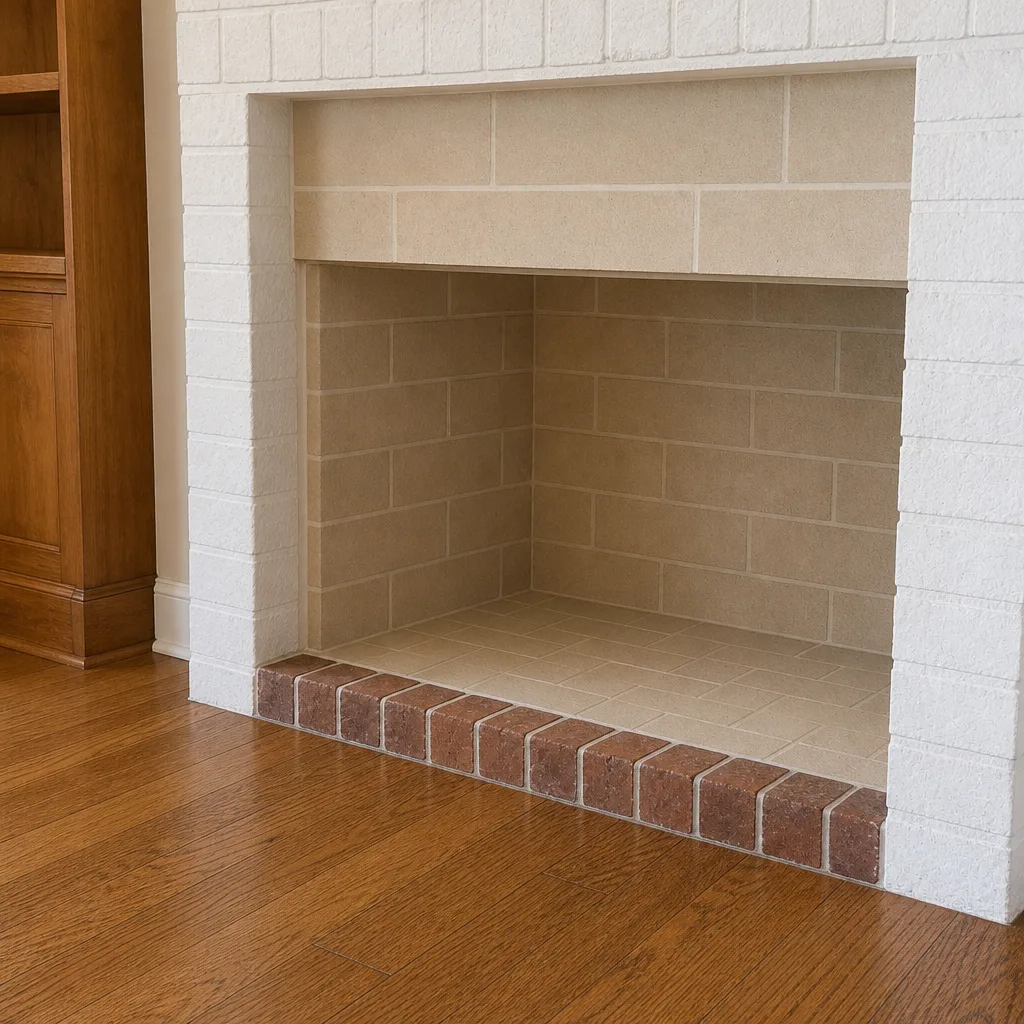 After
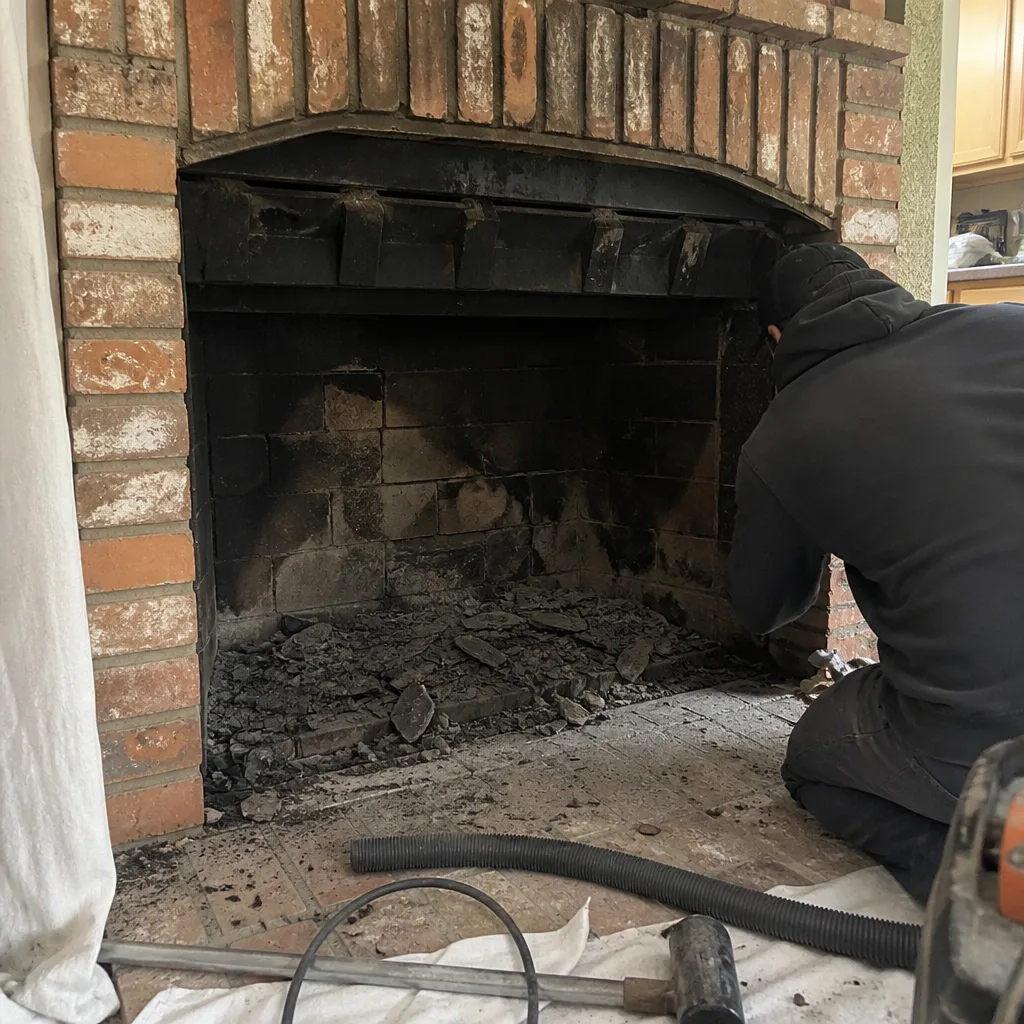 Before
 After
 Before
 After
When to Call a Professional
Some situations call for a professional immediately rather than at the next scheduled sweep. If you’ve had a chimney fire – even a small one you put out yourself – call before using the fireplace again; the flue needs a Level 2 inspection to confirm the liner is intact. If you smell smoke in the house when the fireplace is running, or if the draft has gotten weaker than it used to be, there’s likely a blockage or a failing flue. If a bird or squirrel has gotten into the flue, call; a trapped animal can damage the liner and block the vent path. If your cap is missing or your crown is visibly cracked, schedule a repair before the next rain. And if you simply haven’t had the chimney cleaned in three or more seasons, book a cleaning with inspection so you know what you’re working with. Fullerton Chimney Sweep Pros offers free estimates in Fullerton – call (866) 758-3928 and we’ll confirm scope and price before booking. Nothing is recommended without camera evidence you can see for yourself.
Frequently Asked Questions
A standard chimney cleaning in Fullerton typically runs $175 to $325 in 2026. Cleaning with a Level 1 inspection and written report usually lands between $225 and $375, while a Level 2 video inspection brings the total to $350 to $550. Cleaning bundled with minor repairs commonly runs $400 to $900. These are estimated ranges; your written estimate sets the final price. Call (866) 758-3928 for a free estimate.
Not always – and a full liner replacement is often not the first or best answer. Many deteriorated flues can be restored with a HeatShield flue resurfacing system, which costs substantially less than a full liner replacement and avoids tearing out the existing flue in suitable cases. The key is that the recommendation should be backed by camera evidence you can see, not a verbal “it’s bad.” If you’re told you need a new liner, ask to see the footage and ask whether resurfacing was evaluated. Call (866) 758-3928 for an honest assessment with a photo report.
For most Fullerton homes that burn firewood regularly, a sweep once a year is the standard recommendation. If you burn only occasionally, the interval can stretch, but a yearly cleaning and inspection is the safest habit. Homes with heavier use, or with a fireplace used as a primary heat source, should be swept more often. Our technicians have up to 15 years of experience and can tell you honestly whether your chimney is due. Call (866) 758-3928 for a free estimate.
The creosote in your flue keeps building each time you burn. Light soot brushes out easily, but over time it hardens into a glazed, tar-like stage 3 deposit that’s a real fire hazard and hard to remove. A blocked or deteriorated flue also raises carbon monoxide risk. The repair that follows – liner resurfacing, masonry repair, or a crown rebuild – costs far more than the cleaning would have. Call (866) 758-3928 and let us check where your chimney actually stands; we’ll tell you plainly if work can safely wait.
Yes. Combining a cleaning with a Level 1 or Level 2 inspection on the same visit is standard and usually costs less than booking them separately. The cleaning clears soot and debris, and the inspection documents the condition of the flue, firebox, cap, and crown with a written report. We recommend the combined visit for most fullerton homeowners because it moves the job from “cleaned” to “assessed.” Call (866) 758-3928 for a free estimate on a combined visit.
A purpose-built stainless steel cap from a brand like Gelco or Famco typically costs $80 to $250 for the part, and supplied-and-installed a cap usually runs $200 to $450 depending on size and access. It matters because a missing or damaged cap is one of the two most common sources of chimney water damage (the other being a cracked crown). A $250 cap that prevents water intrusion into masonry is one of the cheapest protective repairs on a chimney. Call (866) 758-3928 if you’re not sure whether your cap is intact.
The Bottom Line
Chimney cleaning pricing in Fullerton makes sense once you know what each tier actually includes. A $99 brush is a $99 brush – it may not include an inspection, a report, or a cap check. The right question isn’t “what’s the cheapest price,” it’s “what’s included, and is it backed by evidence I can see?” Standard cleaning typically runs $175 to $325; cleaning with inspection runs $225 to $550 depending on level; cleaning plus minor repairs runs $400 to $900. Material costs are modest, and the real driver of any add-on should be the condition of your chimney, not a sales script. Deferred cleaning costs more in the long run than yearly maintenance ever will.
Contact
If you’re ready to know exactly what your chimney needs – and to get a written estimate before any work begins – call (866) 758-3928 for a free estimate. We answer 24/7. Fast dispatch from 7am to 7pm, Sunday through Friday. One company, every part of the chimney: sweeping, inspection, fireplace repair, chimney repair, and cap and crown installation, all handled in-house with professional-grade materials from brands chimney specialists actually use. For more on our full range of services, see Fullerton Chimney Sweep Pros.
Written by the team at Fullerton Chimney Sweep Pros.