
Last updated November 25, 2026
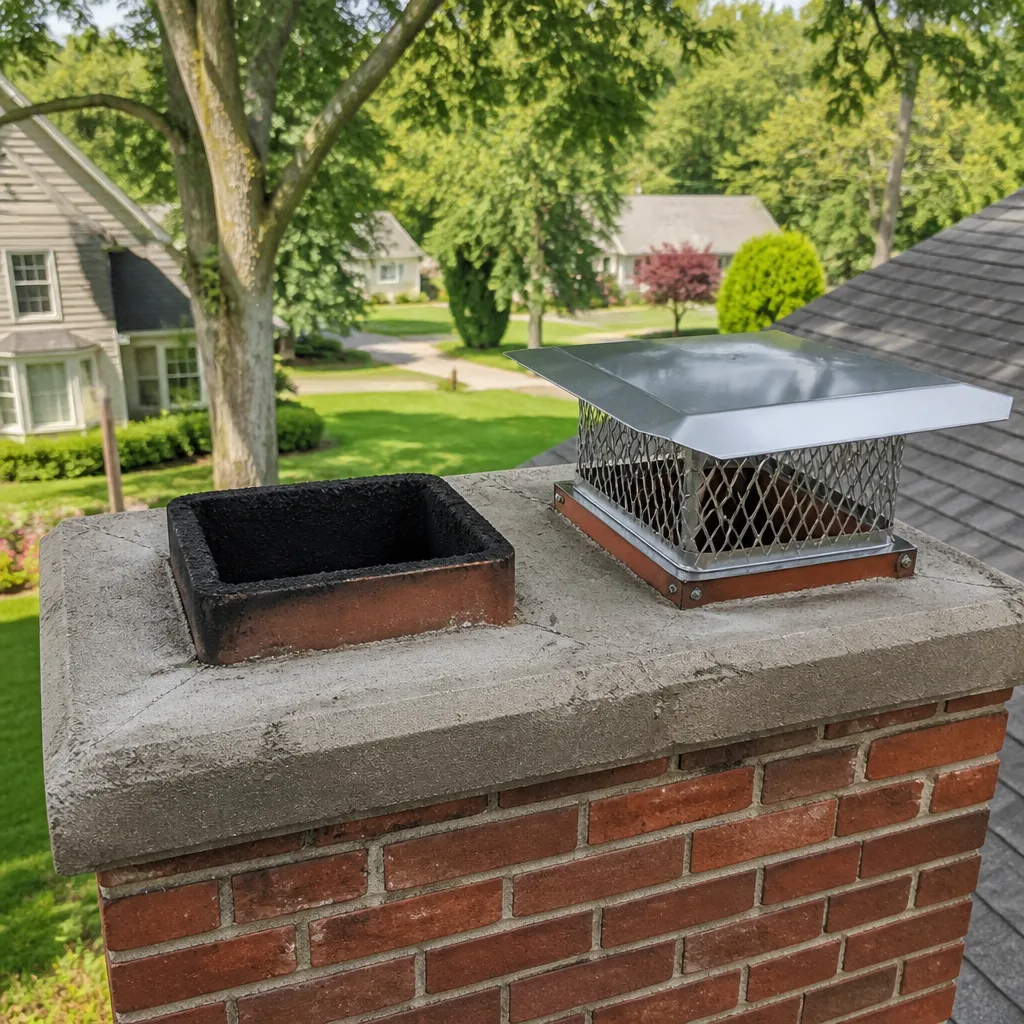 Sweep & inspection
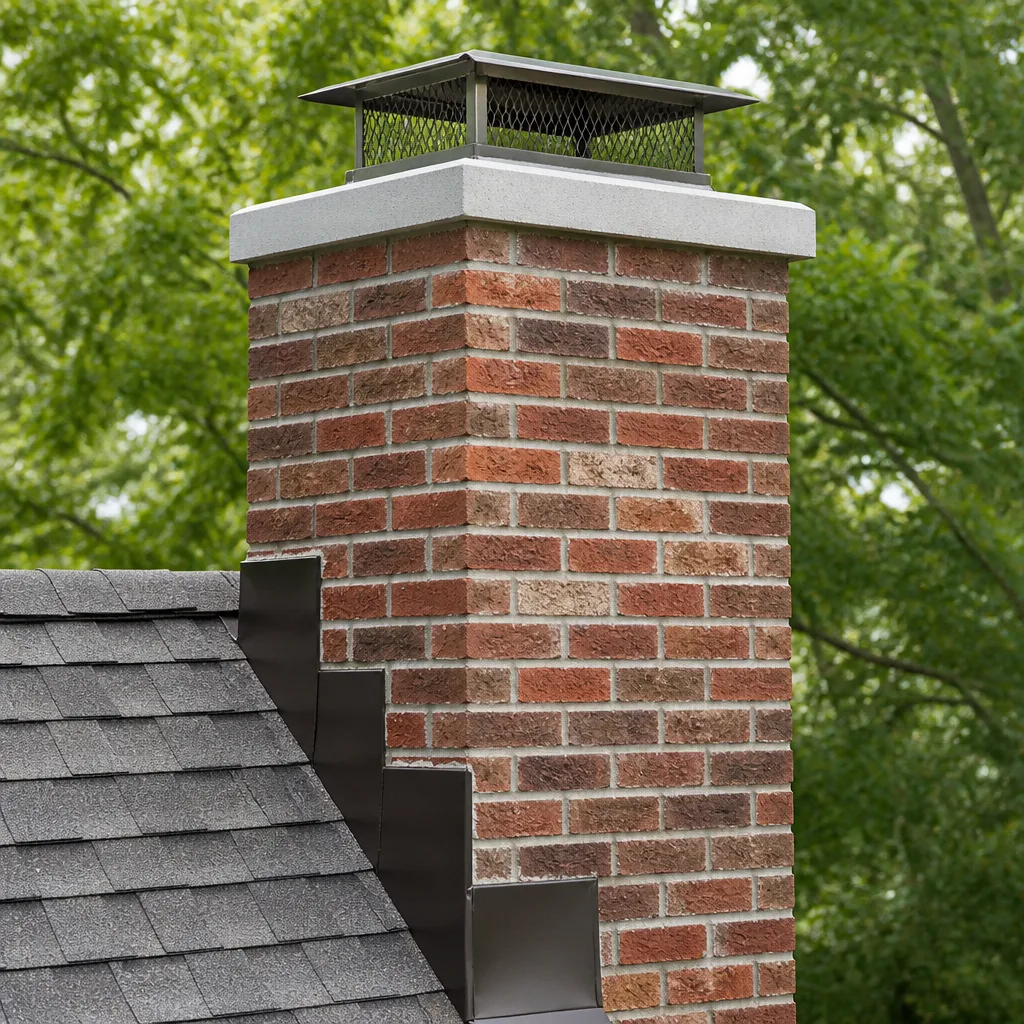 Caps & crowns
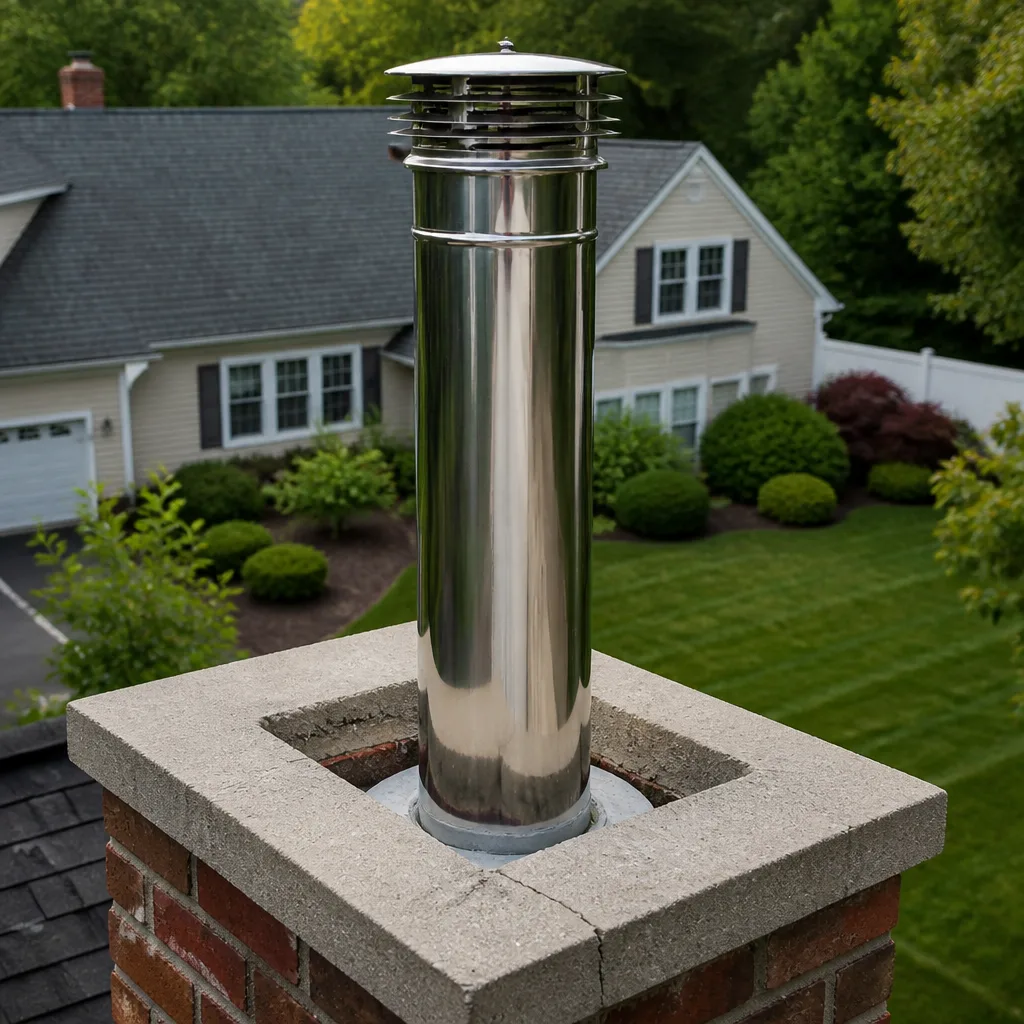 Flue relining
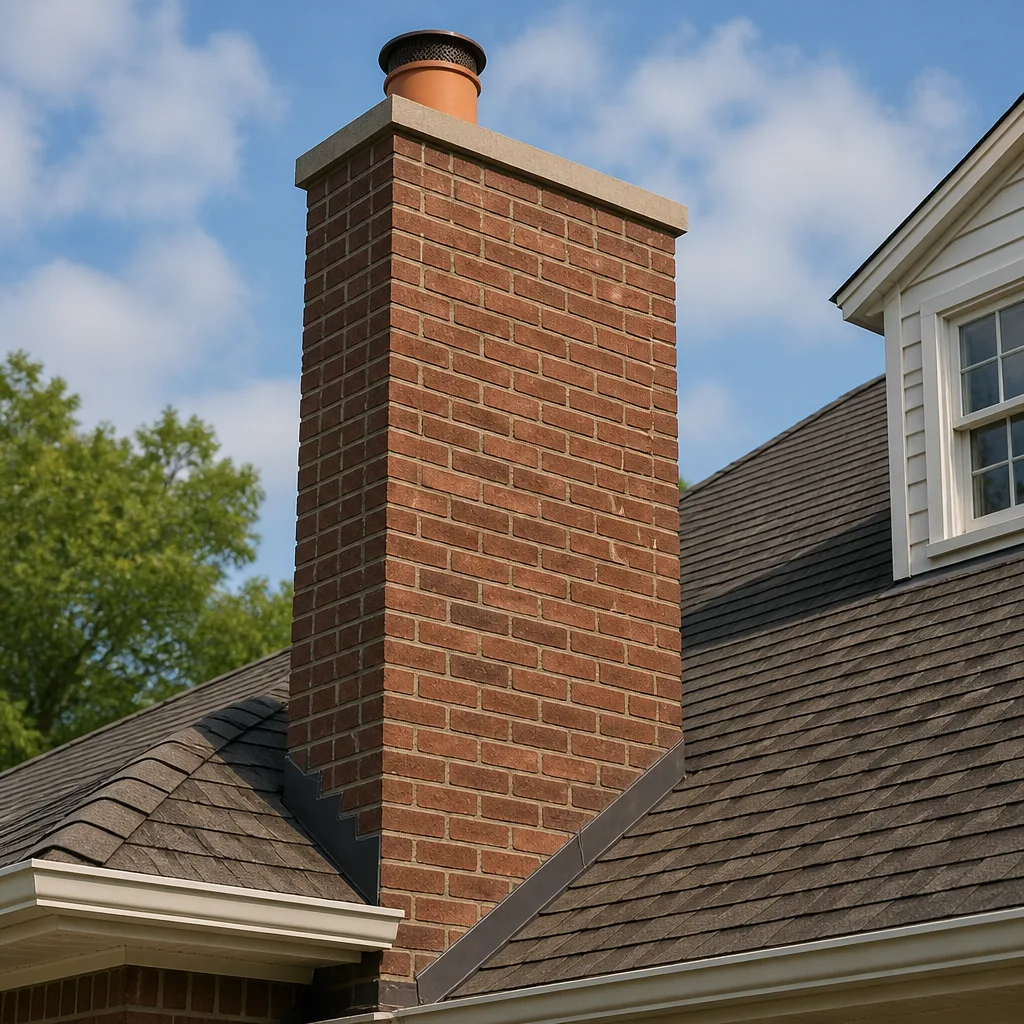 Masonry repair
 Gas fireplace service
Level 1 sweep and inspection to the NFPA 211 annual standard - flue, crown, cap, and flashing checked and photographed
Chimney sweep logs do not sweep chimneys. They loosen some creosote - which then falls where a brush and vacuum still have to collect it.
How to Hire a Chimney Cleaning Contractor in Fullerton: A Step-by-Step Guide
Here’s the part most homeowners don’t know: cleaning a chimney in California doesn’t require a contractor’s license. Which means the barrier to calling yourself a chimney sweep is essentially zero. Any pressure-washing company, handyman, or roofer with a ladder can add “chimney cleaning” to their service list and start taking calls. The vetting that a licensing board would normally do falls squarely on you, the homeowner, and it has to happen before anyone climbs your roof. This guide gives you the exact screening questions, the red flags specific to the Fullerton market, and the paper trail a legitimate estimate should leave behind, so you can tell a real chimney specialist from a generalist with a brush.
Quick Answer
To hire a chimney cleaning contractor in Fullerton, verify that the company does chimney work as a specialty rather than a side service, confirm they carry both general liability and workers’ compensation insurance that covers rooftop work, ask for CSIA-certified technicians for cleaning and inspection, and get a written estimate that names the scope of work and the specific materials. Cleaning-only work doesn’t require a California contractor’s license, so credentials like CSIA certification and proof of insurance matter more than a license number for a sweep. For any repair work, though, a licensed masonry or general contractor is the appropriate standard.
Styles & brands we work with
- Sweep & inspection
- Caps & crowns
- Flue relining
- Masonry repair
- Gas fireplace service
Table of Contents
- Does a chimney sweep need a license in California?
- CSIA certification vs. a contractor’s license: which matters?
- Five phone-screen questions to ask before booking
- Red flags specific to the Fullerton and Orange County market
- How to verify insurance for rooftop and interior work
- What a legitimate written estimate should include
- Cleaning visits vs. repair visits: matching the contractor to the job
- Common mistakes to avoid
- When to call a professional
Does a chimney sweep need a license in California?
No, cleaning-only chimney work does not require a California contractor’s license. The Contractors State License Board regulates construction work, and sweeping a flue is generally treated as maintenance rather than construction, so there’s no license class that specifically governs it. What that means in practice is that anyone can print “chimney cleaning” on a business card in Fullerton and start booking appointments. The absence of a license requirement isn’t a loophole anyone is exploiting; it’s simply how the trade is categorized. The trouble is that homeowners reasonably assume some agency is checking credentials, and no one is.
That changes the moment the work moves from cleaning to repair. Rebuilding a crown, repointing masonry, replacing a chase cover, or installing a new liner are construction activities, and the company doing that work should hold the appropriate contractor’s license for the scope. A cleaning company that suddenly offers to rebuild your firebox without a license is a company you should be asking harder questions of.
The practical split looks like this:
- Cleaning and basic inspection: no state license required, but certification and insurance are what separate a professional from a generalist.
- Masonry repair, crown work, and structural repair: should be handled by a licensed contractor working within the scope the license covers.
- Liner installation and flue resurfacing: specialty work that should be done by a company that does it routinely, using industry-standard materials.
So the useful question isn’t “are you licensed?” It’s “which parts of this job do you do yourself, and which parts require a license you hold?” A company that answers that clearly is a company worth continuing the conversation with. We perform all five of our core services in-house, which means we can tell you plainly where the lines fall for the work on your chimney.
CSIA certification vs. a contractor’s license: which matters?
For cleaning and inspection work in California, CSIA certification matters more than a contractor’s license, because there is no license category to hold. The Chimney Safety Institute of America certifies individual technicians through an exam and a code of ethics, and that certification is the closest thing the trade has to a professional standard. When you ask a Fullerton company whether their technicians are CSIA-certified, you’re asking whether the person on your roof has been tested on chimney construction, venting, and safety rather than trained on the job by whoever had the truck that day.
Be precise about what you’re asking, though. Certification attaches to a person, not a company. A company can advertise “CSIA certified” while the technician who actually shows up carries no credential. So the question is: “Will the person cleaning my chimney be CSIA-certified, and can you confirm that when you book?” A clear yes is a good sign. A vague “our guys are trained” is not the same answer.
For repair work, the calculus flips. A CSIA-certified sweep is not automatically qualified to rebuild your chimney crown, and a licensed mason is not automatically qualified to evaluate your flue liner. The strongest Fullerton contractors carry both: specialty chimney training for the inspection and cleaning side, and licensed or license-holding tradespeople for the structural side. That’s what the five-service model looks like when it’s done properly – one company that can sweep, inspect, repair the fireplace, repair the chimney structure, and install a cap and crown without handing you off to a subcontractor you’ve never met.
One more note on the term “certified.” Certification comes from specific bodies, and some are more rigorous than others. Ask which organization issued the certification. If the answer is vague, that tells you something too.
Five phone-screen questions to ask before booking
Most of the vetting can happen in a five-minute phone call. These five questions will tell you whether a Fullerton chimney company does real chimney work or farms it out to whoever’s available. Ask them in this order, and listen for specifics in the answers rather than reassurance.
- “Do you do chimney work as your main business, or is it one of many services?” A specialist will tell you about sweeping, inspection, repair, and cap and crown work because that’s the whole business. A generalist will list a dozen categories alongside chimney cleaning, and you can reasonably expect the chimney to be the shallowest of them.
- “Will the technician cleaning my chimney be CSIA-certified, and will that be the person on site?” The key phrase is “the person on site.” Certification that lives in the office and never reaches the roof isn’t worth much.
- “Who actually does the work – your employees or a subcontractor?” Some companies book the job and then send an independent crew they don’t employ. That crew may be excellent, or may not be, and the company booking the job may have little ability to vouch for them. Labor performed by employees is a materially different thing.
- “What does your inspection cover, and will I get a written report?” A professional sweep separates cleaning from inspection and can tell you which level of inspection your situation calls for. Look for a company that offers inspection as a genuine service, not a free teaser designed to lead into a sales pitch.
- “What specific products would you use if you find damage?” A real chimney company names the materials it works with – HeatShield for flue resurfacing, DuraFlex for liner systems, Famco and Copperfield for caps and covers. A generalist will answer in generic terms because they don’t have a material standard to name.
Notice what these questions avoid: price. Price matters, but you’ll get a better picture of the company from how it answers a specialty question than from how low it quotes over the phone. Any company that prices a chimney job sight-unseen should worry you, because the whole point of an estimate is to see the chimney first.
Red flags specific to the Fullerton and Orange County market
Orange County’s chimney market is competitive, and the competition has shaped a set of tactics worth recognizing before you invite anyone into your home. The full-service Fullerton Chimney Sweep Pros approach stands in contrast to some of these patterns, and knowing them will help you read a pitch even when it’s delivered politely.
Door-hanger pricing that seems too good to be true
A flyer through the door advertising chimney cleaning well below the going rate is almost always a lead generator, not a price. The cleaning gets the technician into your house; the upsell pays for the trip. Real sweeps cost real money because the work takes real time and carries real risk. A price that doesn’t cover a couple of hours of careful work is a number that will change once someone’s on the roof.
The “free inspection” that isn’t
Free inspections aren’t inherently bad, but they’re often structured to produce a finding. If the inspection is compressed into ten minutes and concludes with a same-day pressure to authorize work, the inspection wasn’t an assessment; it was a sales tool. A proper inspection takes time, produces a report, and lets you think it over. Nothing about a sound chimney assessment requires you to decide on the spot.
Companies with no local history before 2020
A Fullerton chimney company should have a verifiable track record in Orange County. Check the date of the oldest reviews you can find on Google and Yelp. A company that appeared fully formed three years ago with glowing reviews and no earlier footprint is worth a longer look. Review dates aren’t proof of anything by themselves, but a real local business accumulates them over time, and the pattern is easy to inspect.
Bundled “whole system” quotes with no visual evidence
If a company tells you that you need a full liner replacement without showing you anything to support it, ask to see the evidence. In our experience, the disagreement between homeowners and contractors almost always comes down to this: one party is relying on trust and the other on inspection footage. A camera inspection and photo report should be part of the conversation, not a favor granted after you push back.
How to verify insurance for rooftop and interior work
General liability insurance is table stakes, but it doesn’t tell you what you need to know. Chimney work happens in two places – on your roof and in your living room – and each carries a different exposure. Roof work can damage shingles, gutters, and skylights, and it can put a person in the air who has no coverage if they fall. Interior cleaning brings soot, dust, and equipment through your house. Ask about both, and ask for documentation rather than verbal reassurance.
What to actually request:
- A certificate of insurance naming the company, listing current general liability coverage. Ask them to send it before the appointment, not after.
- Workers’ compensation coverage, or a clear explanation of why it isn’t carried. This is the one most homeowners forget, and it’s the one that matters most if someone is injured in your house or on your roof. Without it, the exposure can land on you.
- Confirm that the coverage is for the company actually sending the technician, not a parent company, an affiliated brand, or a subcontractor whose policy you’ve never seen.
You don’t need to be an insurance expert to do this. In California, certificates of insurance are standard documents and any professional company can produce one quickly. If a company hesitates, deflects, or says they’ll “get back to you” with proof, that’s your answer. The same document request is a legitimate screen: the companies that carry proper coverage are used to being asked and have the paperwork ready.
What a legitimate written estimate should include
A written estimate should be a document you can read after the technician leaves and still understand what’s being done, with what materials, and what happens if the job turns out to be worse than it looked. Verbal estimates are common in this trade and are one of the main ways homeowners end up surprised by the final bill. Ask for it in writing, and check for these elements.
- Scope of work in plain language. “Sweep flue, inspect firebox and smoke chamber, remove and document creosote levels” tells you something. “Chimney service” tells you nothing.
- Materials named by brand, not category. If liner work is proposed, the estimate should name the system – HeatShield for resurfacing a deteriorating flue, DuraFlex for a full liner replacement. If a cap is involved, it should specify the product, such as a Famco or Copperfield cap. Brand specificity is the difference between a material standard and a guess.
- Contingency terms. What happens if additional damage is found mid-job? A professional estimate says so up front – typically that work stops, you’re shown the evidence, and any additional scope gets a separate written approval before it proceeds. Nothing should be added to the bill without your signature.
- Exclusions. Anything the quote doesn’t cover, stated plainly. If the estimate is silent on roof access conditions, disposal of removed materials, or masonry repair found during the sweep, ask.
- Price and payment structure. A clear number or range, and how it’s paid. Estimates are estimates; the written scope is what sets the final price, so make sure the two line up.
While you’re looking at the paperwork, ask one more question: what does the technician recommend, and why? A professional company will separate the work that genuinely can’t wait from the work that can be scheduled for later. A chimney crown starting to crack is a real issue but rarely an emergency. A damaged flue liner that serves a gas appliance is a different conversation entirely. The right estimate tells you which is which.
Cleaning visits vs. repair visits: matching the contractor to the job
The company that’s right for a routine chimney sweep isn’t automatically the company that should rebuild your firebox. Matching the contractor to the scope of work is the part of hiring that most guides skip over, and it’s where Fullerton homeowners end up paying for handoffs they weren’t expecting.
For a routine cleaning and inspection, you want a company whose main business is chimney work, whose technicians are certified, and whose visit includes an actual assessment rather than a fast pass with a brush. Cleaning is the easy part. The judgment that follows it – whether creosote levels suggest a more frequent sweep, whether the damper is sealing, whether the flue has a hairline crack that needs attention – is where the value lives.
For repair work, you want a company that can handle the full scope without routing you to another contractor. That’s the practical case for a single-company approach: when a fireplace repair turns out to need masonry work behind the firebox, you don’t want the company that opened the wall to disappear. The same applies to cap and crown installation, where the point of the work is preventing water and animal intrusion for years, not covering a hole for a season.
For structural work, ask the company directly whether they handle chimney repair in-house or refer it out. If they refer it, ask who they refer to and whether that contractor is licensed for the scope. A company that’s clear about its own boundaries is more trustworthy than one that claims to do everything.
One more distinction worth making: inspection is a service in its own right, not just a preamble to a sales pitch. If you want an assessment of your chimney without committing to work, that should be available as a standalone service. It’s one of the five we offer for exactly that reason.
Common Mistakes to Avoid
- Hiring on price alone. A low cleaning price is often the entry point for an upsell, and the cost of the sweep becomes the least expensive part of the transaction. Pay for the work, not the funnel.
- Assuming a license number means chimney expertise. A general contractor’s license is a good sign for repair work and says nothing about whether the person on your roof knows chimney construction. Ask about CSIA certification separately.
- Skipping the insurance check. In our experience, most homeowners never ask for a certificate of insurance, which means the ones who do are automatically screened off from the companies that don’t carry proper coverage. It takes one email.
- Accepting a liner recommendation without evidence. If a company says you need a new liner, ask to see the camera footage or photos. Unexplained recommendations for expensive work are the most reliable red flag in this trade.
- Booking a cleaning without an inspection. A sweep without a real assessment is half the job. The cleaning removes what’s there; the inspection tells you what’s going on and what to watch for.
- Ignoring the cap and crown. Water intrusion is one of the leading causes of long-term chimney deterioration, and the cap and crown are the two components that do most of the weatherproofing. Many general contractors don’t look at either.
- Letting a Fullerton company book the work without naming the crew. If the person doing the work isn’t an employee of the company you called, you’ve lost the ability to verify who’s in your house and on your roof.
When to Call a Professional
Some signs are unambiguous and worth acting on right away. If you’re seeing smoke backing into the room when the fireplace is lit, hearing a sustained roar or popping that suggests a chimney fire has occurred, or noticing a strong creosote odor on warm days, call for an inspection before the next burn. If your firebox has visible cracks in the brick or mortar, or you can see daylight or a gap where the flue meets the firebox, that needs assessment. Any time a cap is missing, askew, or rusted through, soot and water are getting in. And if it’s been more than a year since the last cleaning and inspection, it’s time, because the annual cadence exists for a reason. Fullerton Chimney Sweep Pros offers free estimates – call (866) 758-3928. We answer 24/7. Fast dispatch from 7am to 7pm, Sunday through Friday.
See the difference
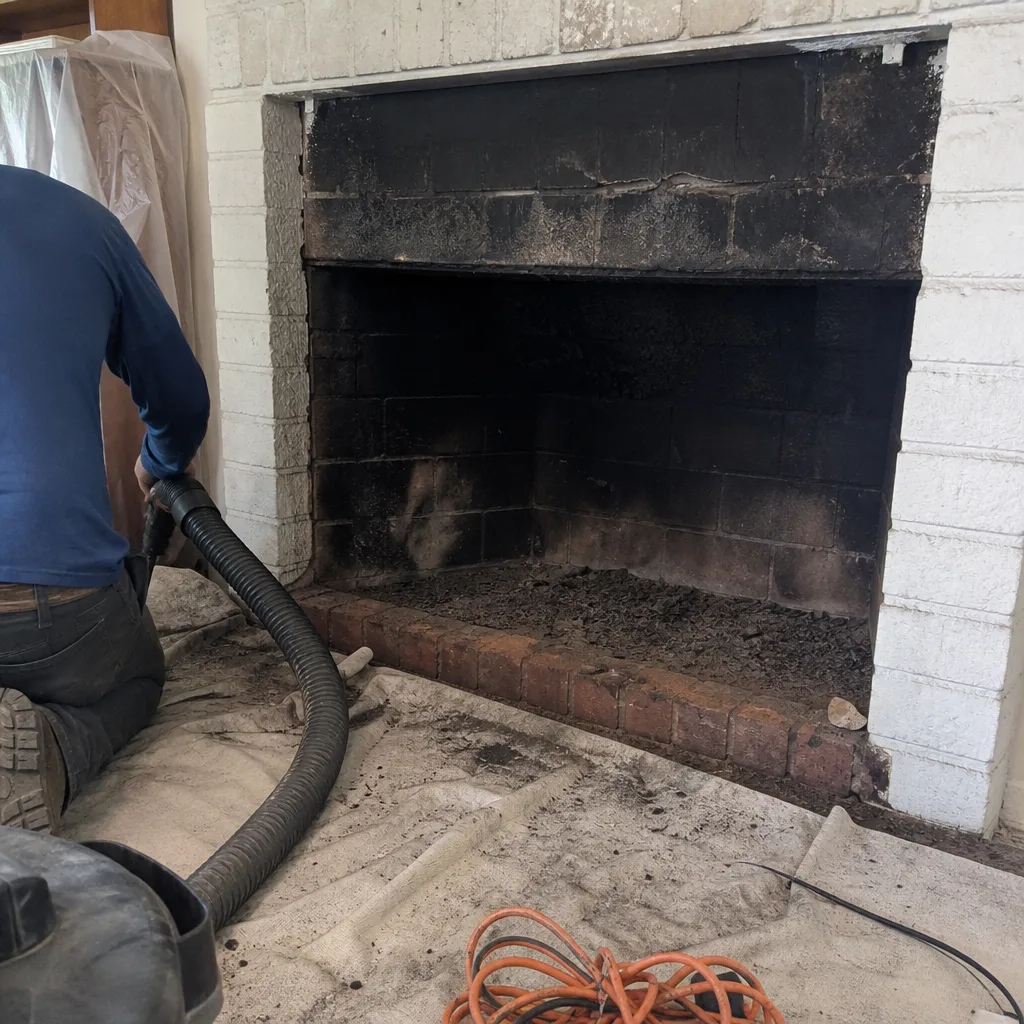 Before
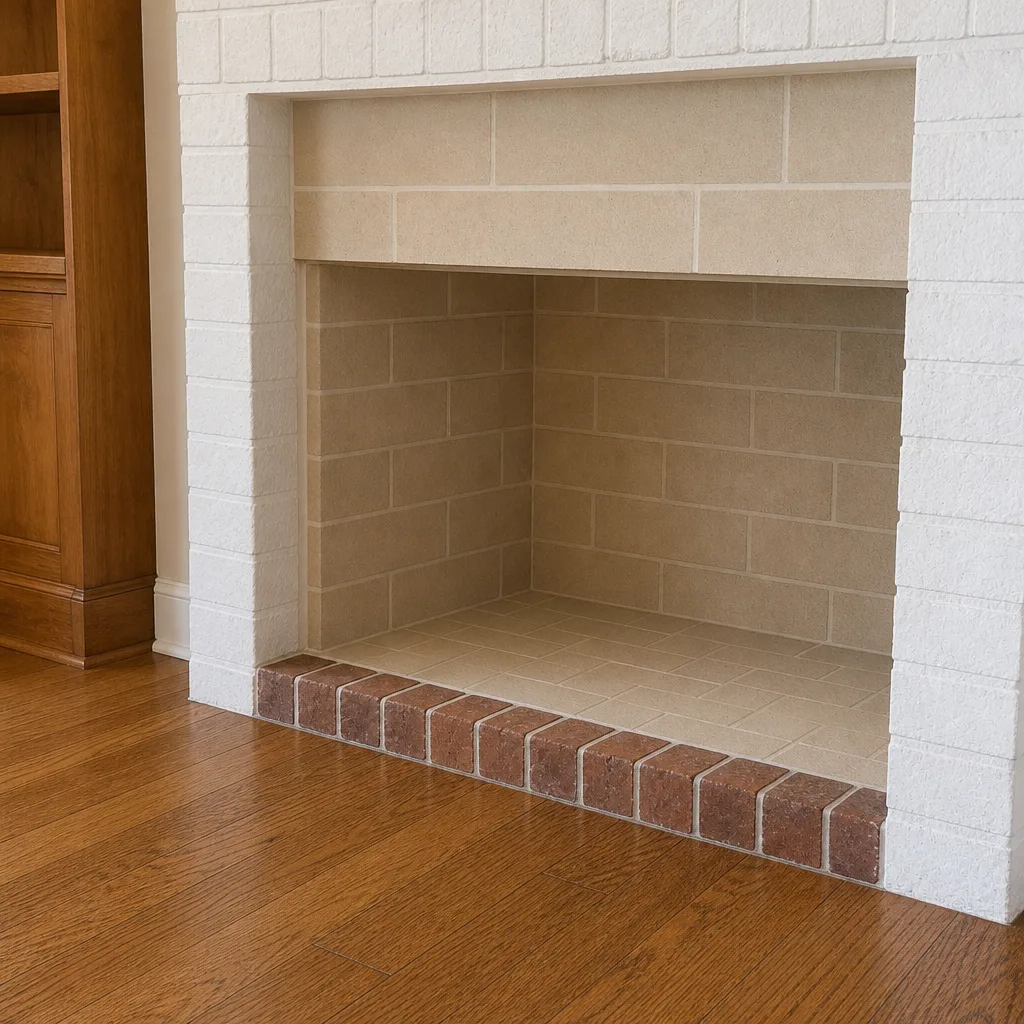 After
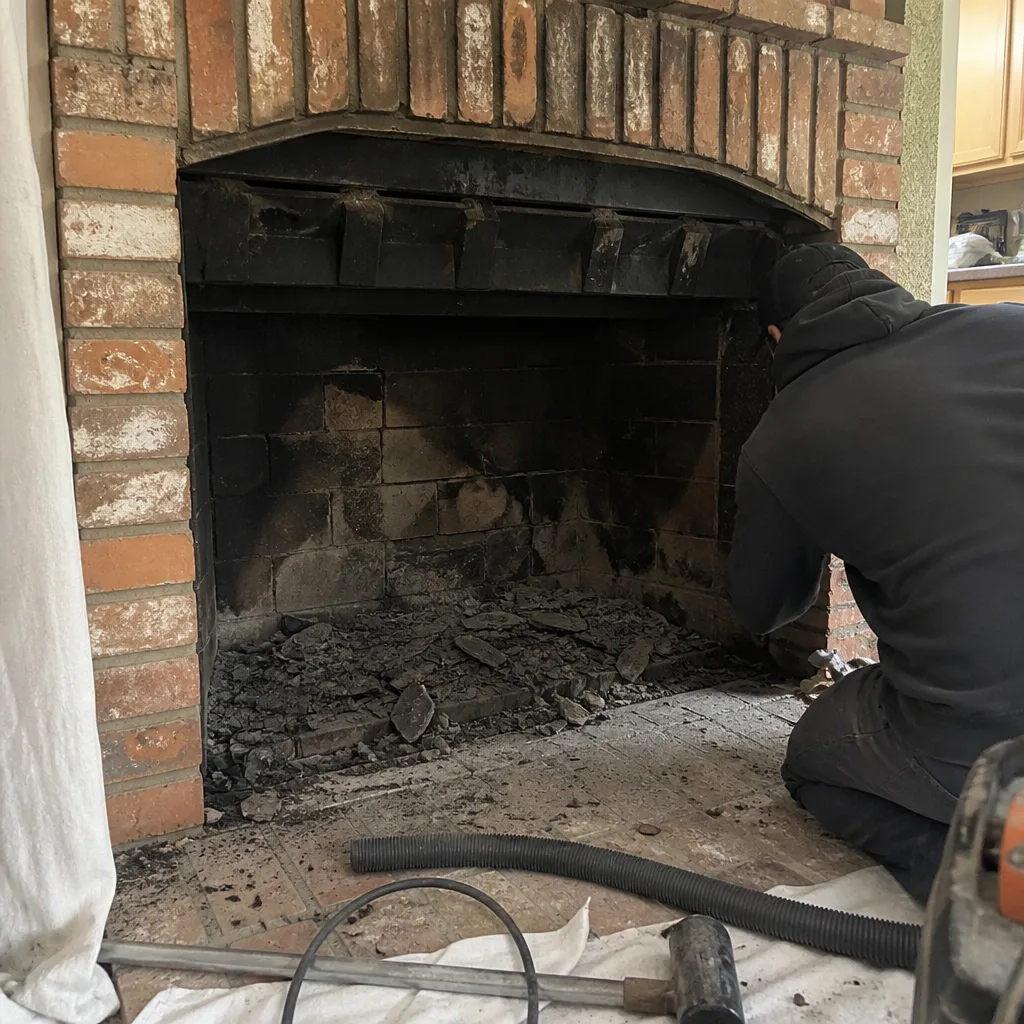 Before
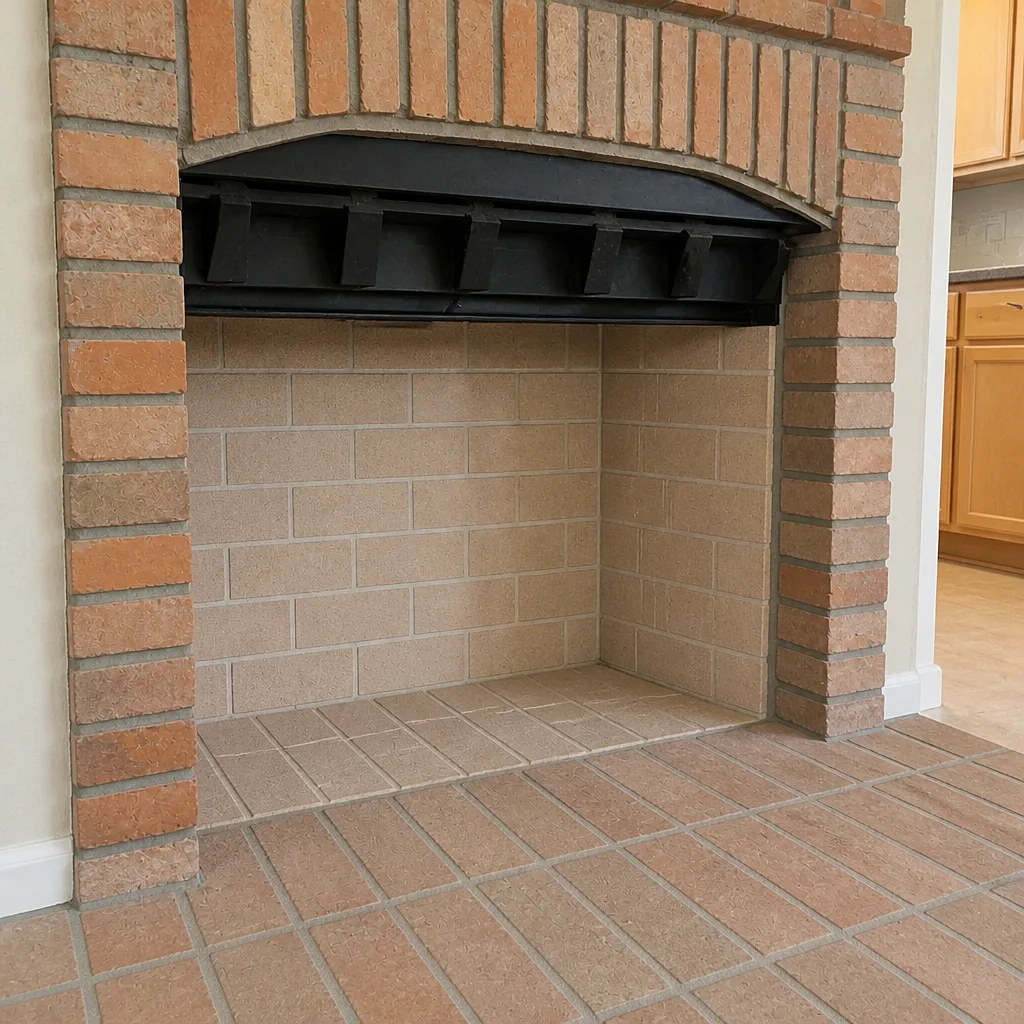 After
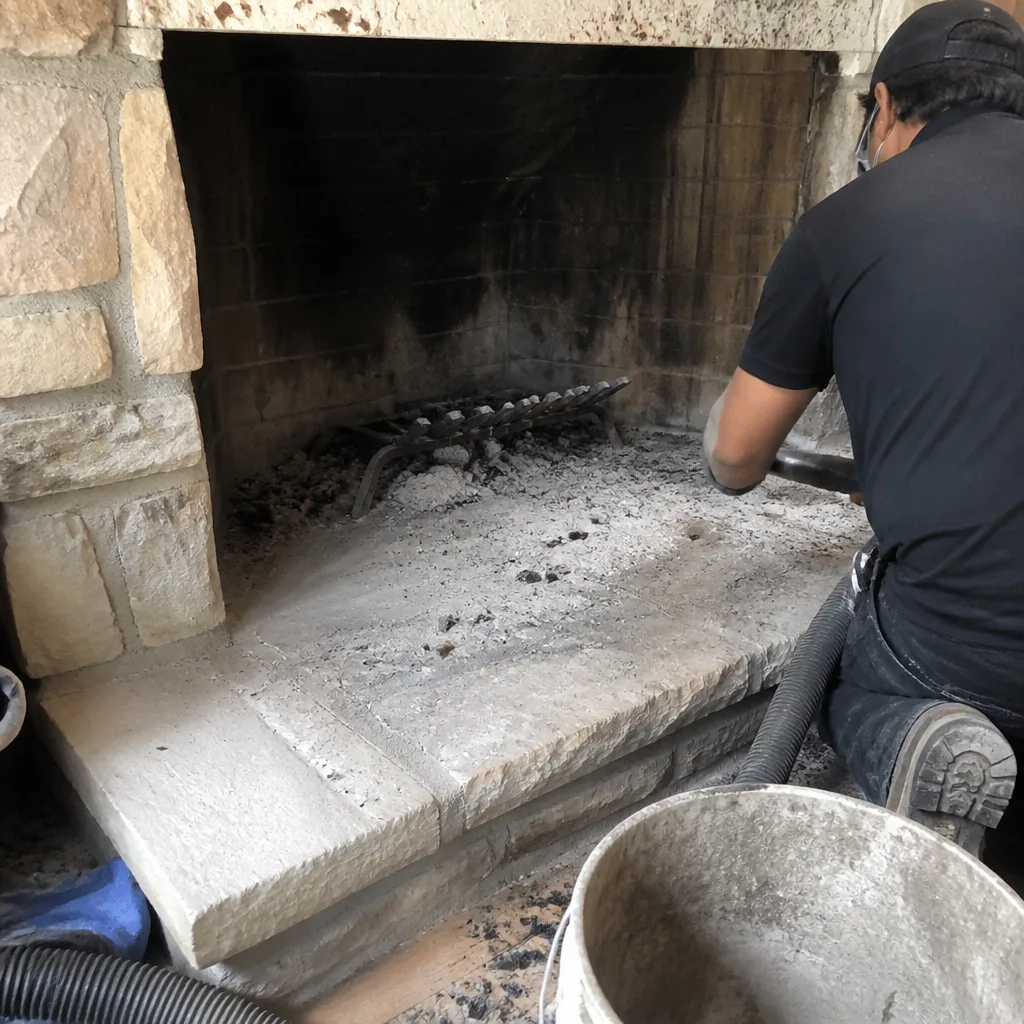 Before
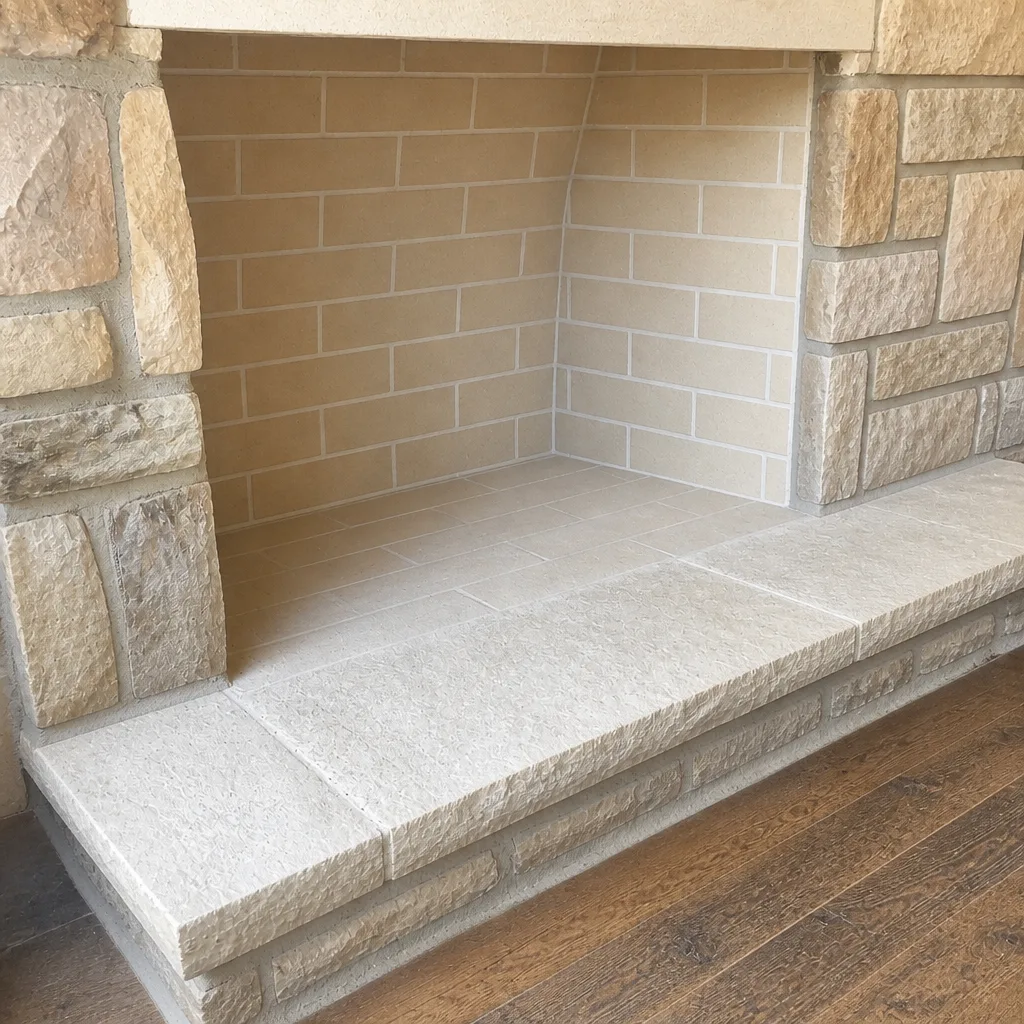 After
Frequently Asked Questions
No, cleaning-only chimney work doesn’t require a California contractor’s license, which is why homeowners have to do the vetting themselves. Certification and insurance are the credentials that matter for a sweep. For repair work – masonry, liner installation, structural repair – the company should hold the appropriate contractor’s license. Call (866) 758-3928 for an exact quote on your situation – estimates are free.
A CSIA certification is a credential held by an individual technician, issued by the Chimney Safety Institute of America after an exam, and it speaks to chimney-specific knowledge. A contractor’s license is issued by the state and covers construction work. For cleaning and inspection, look for the certification. For repairs, confirm the license covers the scope. Ask whether the person on site holds the certification, not just the office. Call (866) 758-3928 with questions about your job – estimates are free.
Only if there’s evidence for it, and you should ask to see that evidence. Deteriorating flues can often be restored with HeatShield, a professional-grade resurfacing system, rather than replaced outright, and a company that jumps straight to replacement without showing you camera footage is worth a second look. Ask what the actual condition of the flue is and what your options are. Call (866) 758-3928 – estimates are free, and we’ll show you what we find.
Once a year for most households, and more often if you burn frequently or burn wood that produces heavy creosote. Fullerton’s mild winters mean people here often burn in short, hot sessions rather than long slow burns, and short hot fires generally produce less creosote than smoldering ones – but that’s a trend, not a guarantee. The annual inspection tells you what your specific pattern produces. Call (866) 758-3928 to schedule – estimates are free.
A written estimate should state the scope of work in plain language, the specific materials and brands proposed, how additional damage found mid-job will be handled, any exclusions, and the price or range. Anything less, and you’re relying on memory and goodwill. The written scope is what sets the final price, so read it before anyone starts work. Call (866) 758-3928 for a free estimate on your chimney.
Ask for a certificate of insurance listing current general liability coverage, plus confirmation of workers’ compensation or a clear explanation of why it isn’t carried. Ask for it before the appointment, and confirm the coverage belongs to the company actually sending the technician, not a subcontractor. Companies that carry proper coverage produce the paperwork quickly. Call (866) 758-3928 to talk through your appointment – estimates are free.
The Bottom Line
Hiring a chimney cleaning contractor in Fullerton comes down to doing the vetting that no licensing board is doing for you. Confirm the company does chimney work as a specialty rather than a side service. Ask whether the technician on site will be CSIA-certified, who actually employs the person doing the work, and what brands they install. Check insurance for both rooftop and interior exposure, and insist on a written estimate that names the scope and the materials. The companies that answer those questions clearly are the ones you want on your roof. The ones that don’t have just told you something useful too. Everything we do is chimney and fireplace work, performed in-house, with professional-grade materials from brands specialists actually use. Our technicians have up to 15 years of experience.
Ready to book? Call (866) 758-3928. We answer 24/7, with fast dispatch from 7am to 7pm, Sunday through Friday. Estimates are free, and we’ll show you what we find before we recommend anything.
Written by the team at Fullerton Chimney Sweep Pros.