
Last updated November 25, 2026
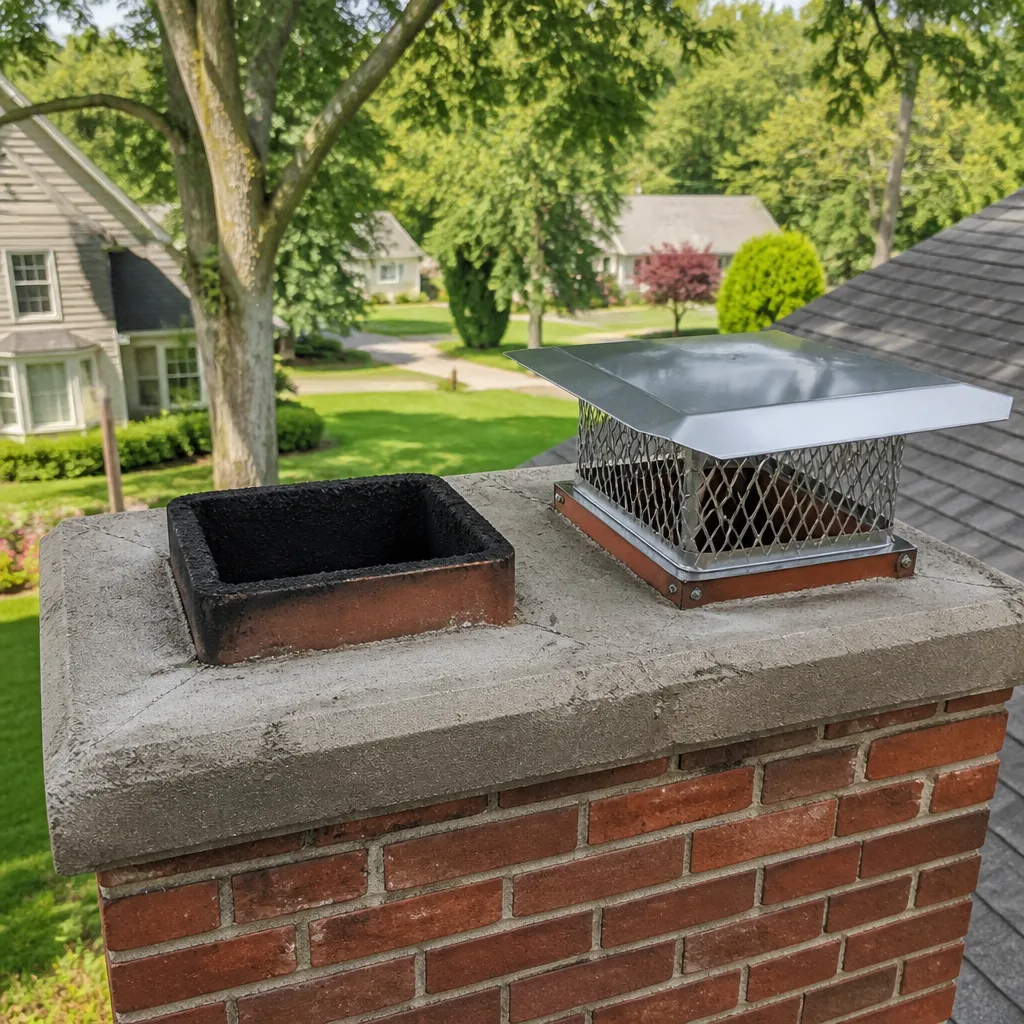 Sweep & inspection
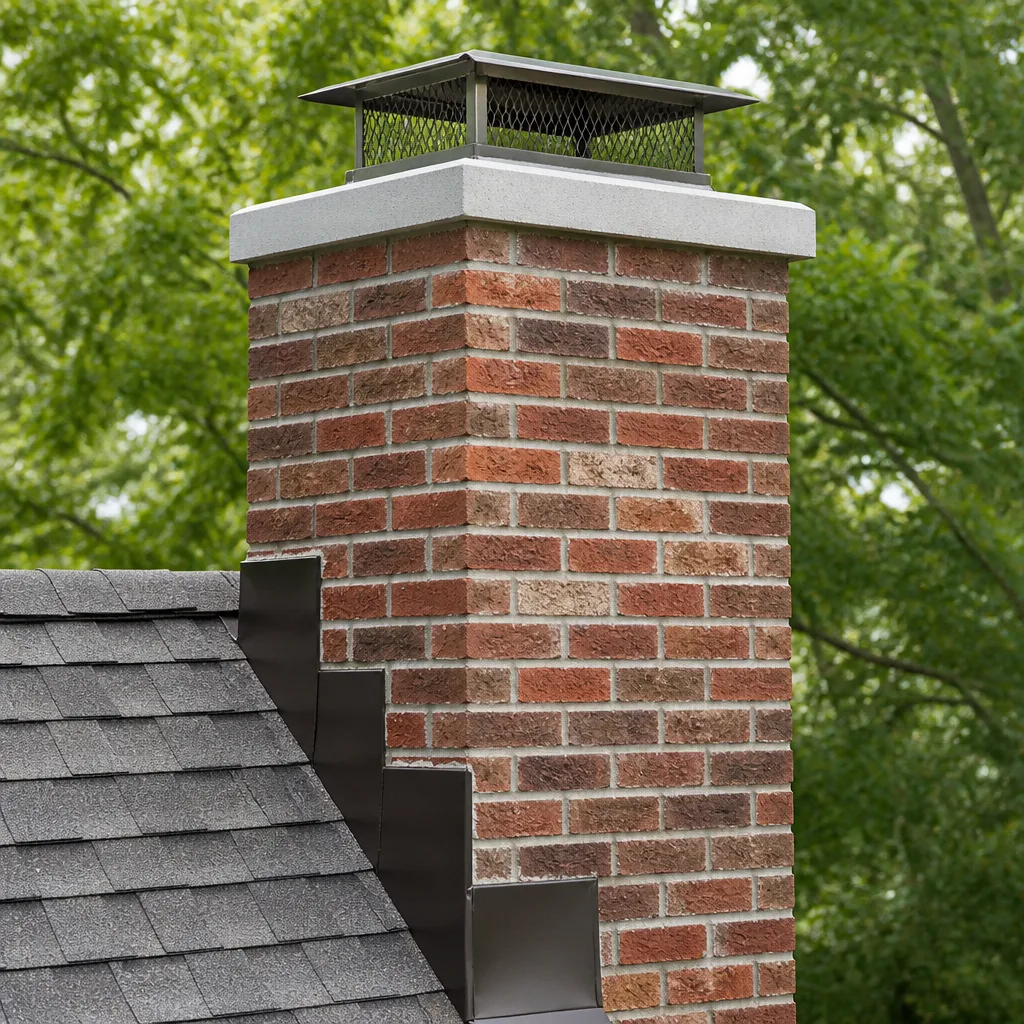 Caps & crowns
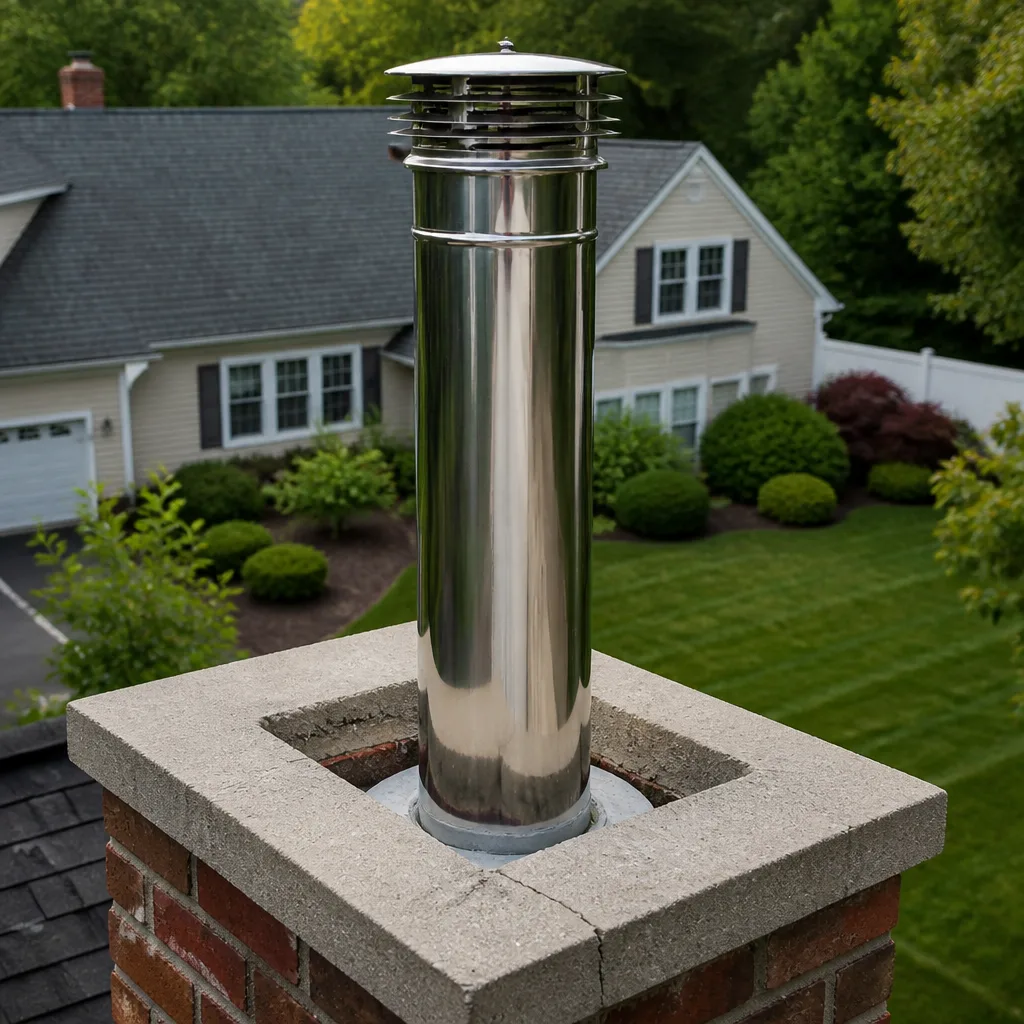 Flue relining
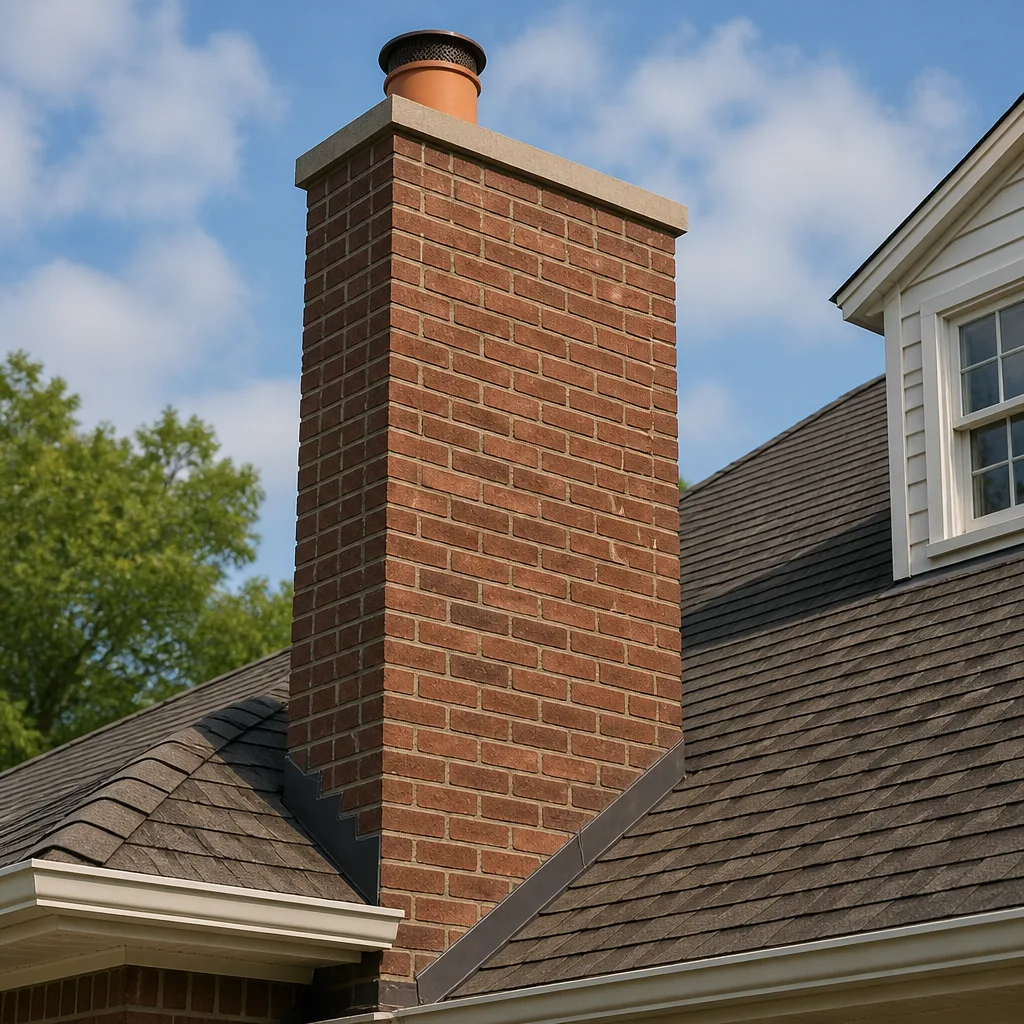 Masonry repair
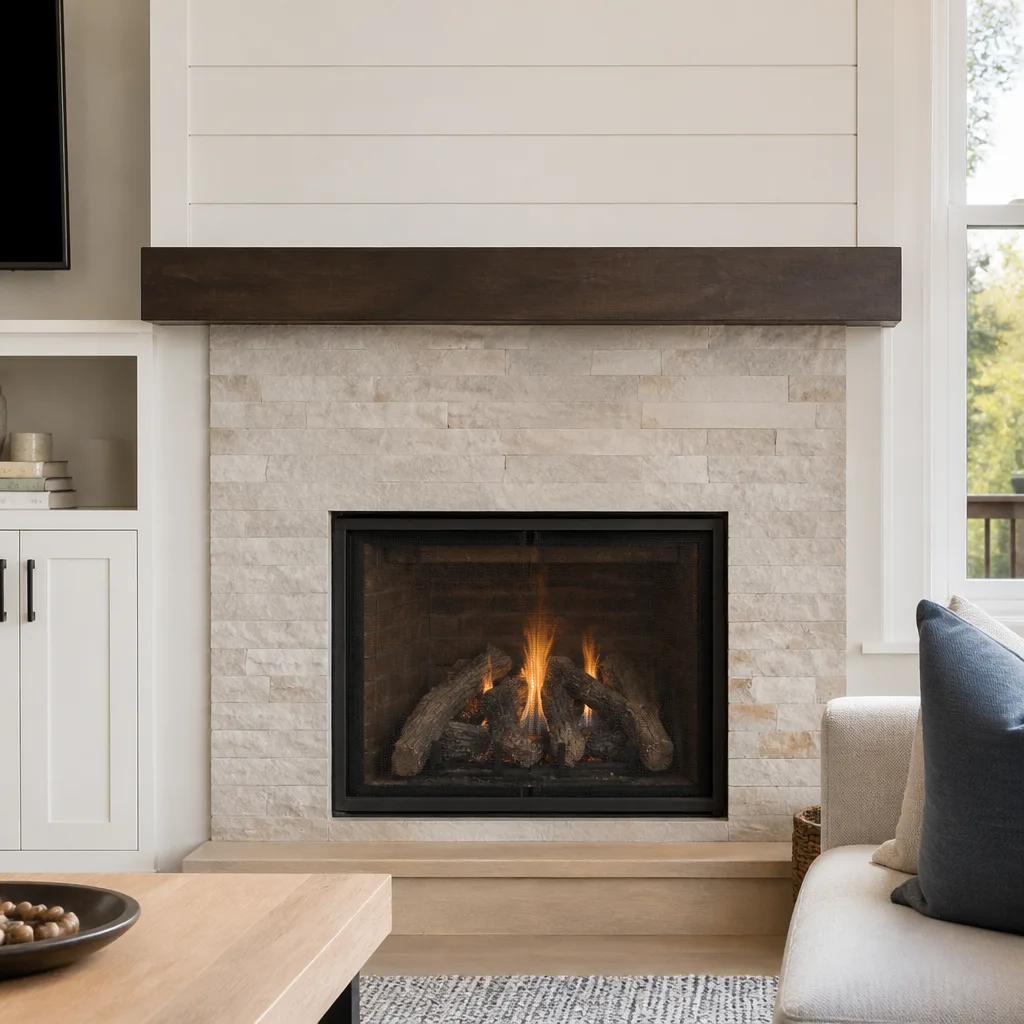 Gas fireplace service
Level 1 sweep and inspection to the NFPA 211 annual standard - flue, crown, cap, and flashing checked and photographed
Chimney sweep logs do not sweep chimneys. They loosen some creosote - which then falls where a brush and vacuum still have to collect it.
The Complete Guide to Chimney Cleaning in Fullerton
Most Fullerton homeowners light their fireplace a few dozen times a year at most. That sounds like good news for the chimney, but it’s often the opposite. Low, gentle fires in a mild climate produce cooler flue gases, those cooler gases condense on the flue walls and harden into glazed creosote far faster than the hot, roaring fires of a cold-climate winter. Add the palm fronds, eucalyptus litter, and nesting birds that find their way into Southern California chimneys and you have a maintenance picture the national guides never draw. This guide walks you through what chimney cleaning in Fullerton actually involves, what a professional visit covers, and how to tell a real recommendation from an upsell.
Quick Answer
Chimney cleaning in Fullerton means more than sweeping soot. It’s removing the creosote, debris, and animal matter that build up in a coastal-inland climate, checking the cap and crown for water damage, and pairing the cleaning with a Level 1 inspection so you know the flue’s real condition. Most fireplaces used lightly still need a sweep and inspection roughly once a year, and a full professional visit includes cap-to-smoke-chamber cleaning plus a camera look at the flue.
Styles & brands we work with
- Sweep & inspection
- Caps & crowns
- Flue relining
- Masonry repair
- Gas fireplace service
Table of Contents
- Why Mild-Climate Fireplaces Build Creosote Differently
- The Debris Fullerton Chimneys Actually Collect
- What a Professional Chimney Cleaning Visit Includes
- Cleaning vs. Level 1 Inspection: Why You Often Need Both
- How Santa Ana Winds Affect Your Chimney
- How Often Should You Schedule Cleaning?
- How to Choose a Chimney Professional in Fullerton
Why Mild-Climate Fireplaces Build Creosote Differently
Cold-climate advice assumes a fireplace that runs hard for months. Fullerton doesn’t work that way. Winters are mild, fires are occasional, and that changes the chemistry inside the flue. When a fire burns hot and long, the flue stays warm and much of the creosote leaves as vapor. When a fire burns low and short, the flue stays cooler and more of that creosote settles on the walls.
Creosote builds in three recognized stages, and each one behaves differently:
- Stage 1: Light, flaky soot and dust. Easy to brush away during a routine sweep.
- Stage 2: Crusty, brittle deposits. Harder, requires more aggressive brushing, and visible to the eye.
- Stage 3: Glazed, tar-like creosote. Baked hard onto the flue, often glossy, and the most difficult to remove.
Stage 2 is the stage that builds fastest in low-use, low-temperature fireplaces, and it’s the stage many homeowners never think about because they assume a fireplace they rarely use can’t have creosote problems. In our experience, a Fullerton fireplace that runs a few times a month at gentle temperatures can accumulate Stage 2 deposits as quickly as a heavily used fireplace in a colder region.
Wood choice matters too. Unseasoned or “green” wood, common when homeowners buy a cord on short notice, produces more moisture and more smoke, and that’s a recipe for faster creosote. Even burning small quantities of it now and then adds up over a season. Hotter, cleaner fires with dry, well-seasoned wood slow the process, but they don’t stop it. Only a proper cleaning removes what’s already there.
The Debris Fullerton Chimneys Actually Collect
National chimney guides are written for regions with hardwood forests, oak leaves, and pine needles. Fullerton’s vegetation is different, and that shows up the moment a technician opens a cap or opens up a firebox. These are the debris types we regularly see that cold-climate guides never mention:
- Palm fronds: Fullerton has palms throughout its neighborhoods, and dried fronds and palm fibers blow across rooftops. They crack, wedge into caps and screens, and drop into flues.
- Eucalyptus debris: Small leaves, seed pods, and stringy bark travel easily on the wind and pack into chimney screens and spark arrestors.
- Nesting birds and their materials: Songbirds, and occasionally larger birds, nest inside uncapped chimneys in spring. The nest materials, feathers, and droppings are a real fire hazard and a health concern.
- Fine dust and ash: In a dry climate, dust and ash settle quickly and mix with creosote on the smoke shelf, where it accumulates into a dense crust.
- Roof grit: Older Fullerton homes sometimes shed granules and tile fragments from aging roofing near the chimney crown.
Because so much of Fullerton’s debris is light and fine, it often bypasses a chimney cap screen and collects invisibly. A homeowner may see nothing wrong and still have a flue with a season’s worth of palm fiber, dust, and Stage 2 creosote clinging to the walls. A camera inspection during the sweep is how you find out for sure.
If you’ve had birds or visible debris in the flue, a standard chimney sweep handles the removal, but if the cap is missing or damaged, the problem returns every spring. Cap and crown work matters here. Installing a Gelco or Famco cap, purpose-built to keep water and animals out, is one of the simplest long-term protections a homeowner can add to the system.
What a Professional Chimney Cleaning Visit Includes
Price shopping a sweep usually comes down to what’s actually included. A $79 coupon sweep and a full professional cleaning are rarely the same visit. We want Fullerton homeowners to know exactly what they’re paying for, so here’s what a real cleaning should include from start to finish:
- Walkthrough and setup: The technician reviews your fireplace, flue, and any previous history, then lays drop cloths and sets up negative-air equipment to keep soot out of your living space.
- Firebox and damper cleaning: Ash and debris are cleared from the firebox, and the damper is checked for proper operation and fit.
- Smoke chamber and smoke shelf brushing: The smoke chamber above the damper is where fires burn hottest and creosote hardens fastest. It’s brushed out fully.
- Flue brushing: The full length of the flue is brushed from the top or bottom, depending on access, using the correct-size brush for your flue geometry.
- Camera inspection: A flue camera confirms the interior is clean and reveals cracks, gaps, or damaged liner joints that brushing alone won’t show.
- Cap and crown inspection: The technician checks the cap for damage or blockage and looks for cracks in the crown, which are the two most common sources of chimney water damage.
- External condition check: The chimney exterior, flashing, and masonry are reviewed from the roof, and any issues are documented with photos.
- Photo report and explanation: You see the camera footage and photos, the technician explains what they found, and any recommendations are tied directly to what the camera shows.
That last point matters most. You should never be asked to approve liner or masonry work based on a verbal “we found something” alone. Any honest recommendation is backed by camera evidence you’ve seen yourself, and the technician should tell you plainly when a repair can safely wait until next season.
Cleaning vs. Level 1 Inspection: Why You Often Need Both
A cleaning removes what’s inside the flue. An inspection tells you what condition the flue is in. They’re related, but they’re not the same service, and skipping one leaves you with an incomplete picture. That’s why we book many Fullerton homeowners for both at the same appointment.
- Level 1 inspection: A visual check of all accessible portions of the chimney, firebox, and flue. Best for a chimney in regular use with no known problems. This is routine, quick, and part of most standard visits.
- Structural inspection: A more thorough look, often with camera access, that examines the interior of the flue for cracks, broken liner sections, and other structural damage. Best when there’s a known issue or after years without a full cleaning.
The reason Fullerton homeowners frequently need both in the same appointment comes down to what a sweep alone won’t catch. A flue can be fully brushed clean and still have a hairline crack in the liner that only shows up on camera. That crack lets heat and gases reach the surrounding structure and, in some cases, lets combustion byproducts into the home. Without an inspection, the cleaning gives you a false sense of safety.
Level 1 and structural inspections are standalone services we offer year-round, not a tacked-on upsell at the end of a sweep. If you’re not sure which one you need, the cleaning visit is where we figure that out, and the recommendation follows the camera evidence, not a sales script.
How Santa Ana Winds Affect Your Chimney
Santa Ana wind events are part of life in Fullerton and throughout inland Orange County. Hot, dry winds blow downslope, often hard enough to rattle screens and push fine debris right through a cap. For chimney systems, they create two distinct problems.
The first is debris injection. Palm fiber, eucalyptus litter, and roof grit travel on the wind and wedge into screens, spark arrestors, and the flue itself. A chimney that was clean in October can pick up a fresh layer of wind-blown debris after an overnight wind event.
The second is backdraft. Strong wind blowing across a chimney can create negative pressure that pushes smoke back down into the living space instead of up and out. A homeowner who hasn’t had trouble with their fireplace may suddenly find smoke coming into the room on a windy day. Backdraft is usually a sign that the cap, the flue height, or the flue’s condition needs a closer look, and it’s worth calling for an inspection before you use the fireplace again.
Because Santa Ana events are seasonal and unpredictable, the practical approach is to schedule your cleaning before fire season, then visually check the cap and screen after any major wind event. If you see debris packed into the cap or the chimney is backdrafting, that’s a cue to call rather than wait.
How Often Should You Schedule Chimney Cleaning?
For a Fullerton fireplace used regularly, once a year is the standard recommendation, and cleaning is due whenever creosote reaches about 1/8 inch on the flue walls. But “regularly” means different things to different homeowners, and the schedule should reflect actual burning patterns.
Here’s how we frame it for homeowners:
- Regular use (a fire most weeks during the cool season): Clean and inspect once a year, ideally before the first cool nights.
- Occasional use (a fire a month or less): Still inspect annually. The creosote may build slowly, but debris, animals, and moisture still affect the system whether or not you’re burning wood.
- Burning green or unseasoned wood, or frequent low, slow fires: Check more often, since creosote builds faster in these conditions.
- After any event (bird in the flue, visible creosote, smoke inside the room): Call for an inspection right away.
A fireplace that hasn’t been used in several years isn’t exempt either. Stored debris, disconnected liner sections, or a cracked crown that lets water in can all develop silently. The cleaning visit is the cheap, easy way to find out what’s going on before winter.
How to Choose a Chimney Professional in Fullerton
Chimney work is unusual in that the recommended scope can be anywhere from a routine sweep to a full liner restoration. That puts weight on choosing a professional whose recommendations you can actually trust. A few things to look for:
- Clean and inspect before recommending repairs: A proper visit always starts with a sweep and camera inspection, and any repair recommendation is tied to what the camera shows.
- Specialization: Chimney and fireplace systems are their own trade. A general handyman can’t reliably evaluate flue condition, and a roofing contractor won’t be equipped for liner or smoke chamber work.
- Professional-grade materials: Liner, cap, and crown products matter. Our work uses DuraFlex, HeatShield, Gelco, Olympia Chimney, Famco, and Copperfield products, the same materials specified by chimney specialists nationwide.
- Willingness to say “that can wait”: If a repair isn’t urgent, a good technician will say so and explain the timeline.
- Full-service scope in one visit: Cleaning, inspection, masonry repair, liner restoration, and cap and crown work should be handled by the same team. No handoffs to another contractor who hasn’t seen the chimney.
Our own position is that full-lifecycle coverage is the cleanest way to work. One company that has already seen your cap, flue, crown, and firebox is in a much better position to handle the chimney repair that comes up than someone walking in cold for the first time.
We’ve seen HeatShield liner resurfacing used to restore deteriorating flues without a full liner replacement in cases where that’s the right call. It’s the kind of judgment call that comes from knowing the whole system, not just the one repair on the work order.
Common Mistakes to Avoid
- Skipping the sweep because you rarely use the fireplace. Low, occasional fires produce cooler smoke that condenses into creosote faster than hot, frequent fires. Infrequent use is not a reason to skip cleaning in Fullerton.
- Using a coupon sweep without confirming what’s included. A basic sweep doesn’t include a camera inspection, smoke chamber cleaning, or cap check. You may pay for the visit and still not know the flue’s real condition.
- Ignoring the cap. Palm fronds, eucalyptus debris, and nesting birds all get into uncapped chimneys. A cap is one of the cheapest protections you can add to the system.
- Overlooking the crown. A cracked crown lets water into the chimney structure and causes more damage than most homeowners realize. Crown inspection belongs in every cleaning visit.
- Burning unseasoned wood to save money. Green wood produces more moisture, more smoke, and more creosote. The savings on wood cost can be lost to a faster cleaning schedule.
- Assuming a handyman can handle chimney work. Chimney systems are their own trade. Masonry, liner, cap, and crown decisions are best made by someone who works on chimneys every day.
- Believing a recommendation without seeing evidence. Any repair you’re considering should come with camera photos or footage you can review. If you can’t see it, ask to.
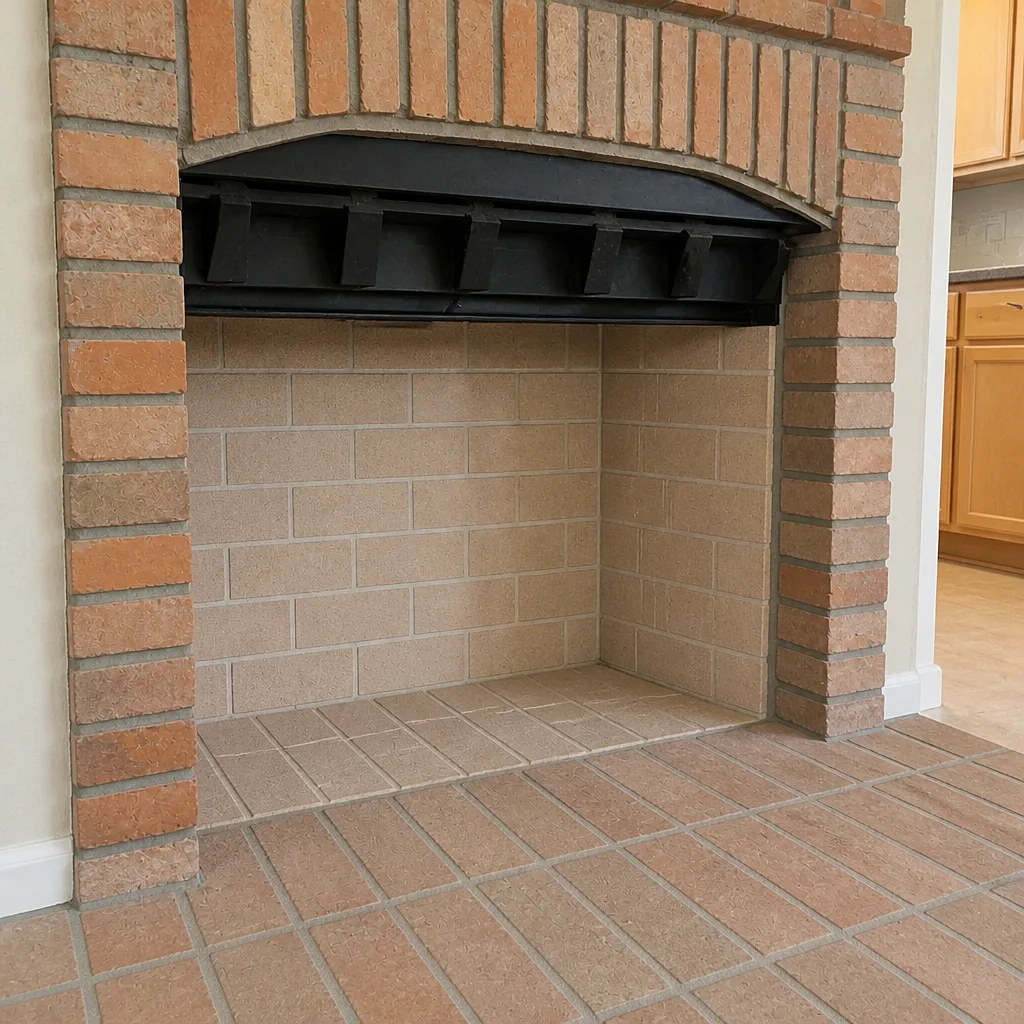
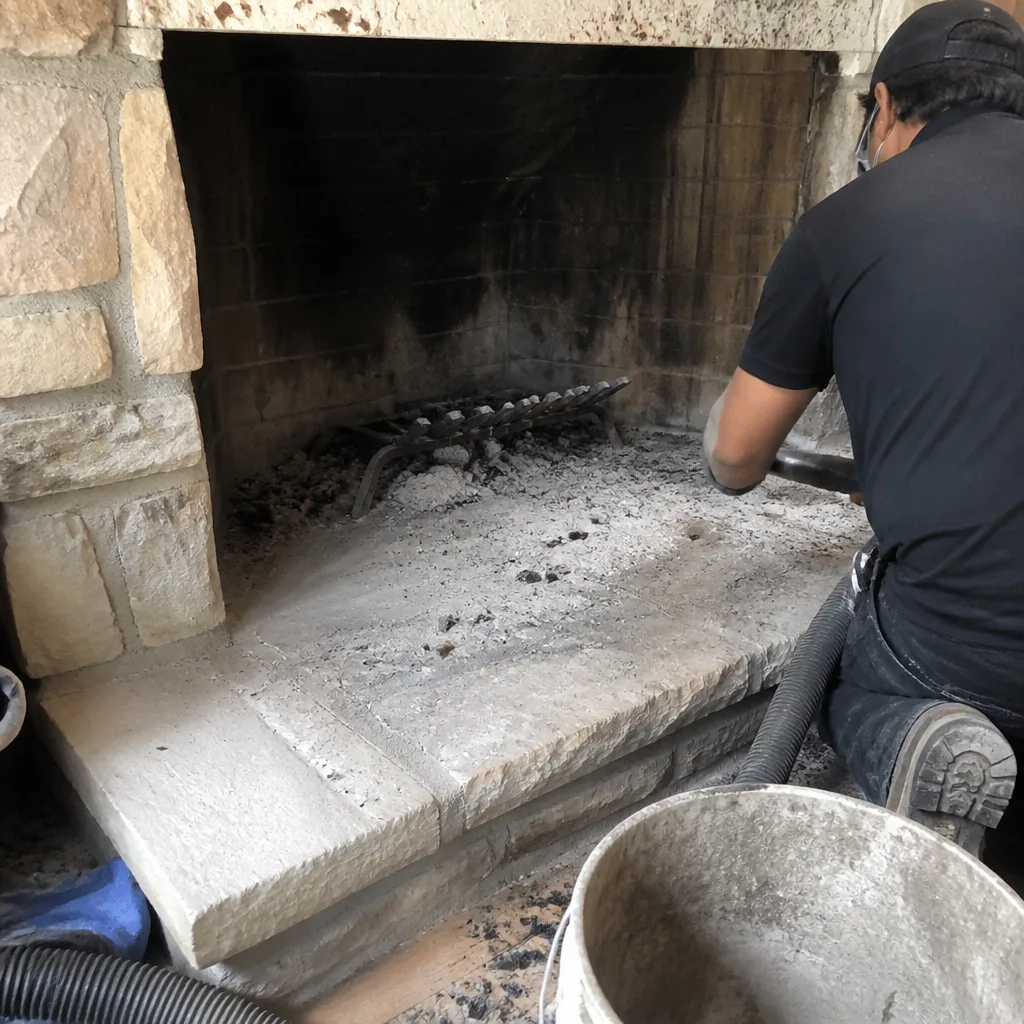
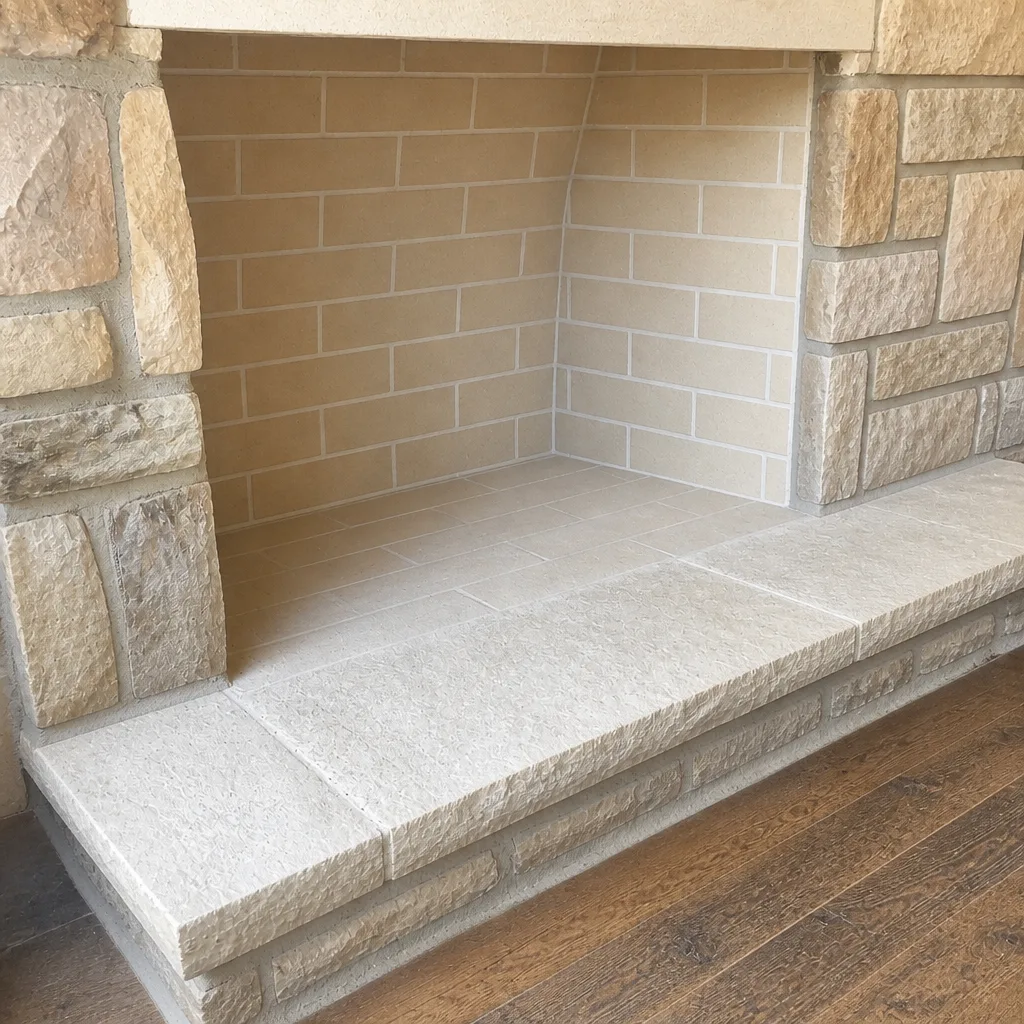
See the difference
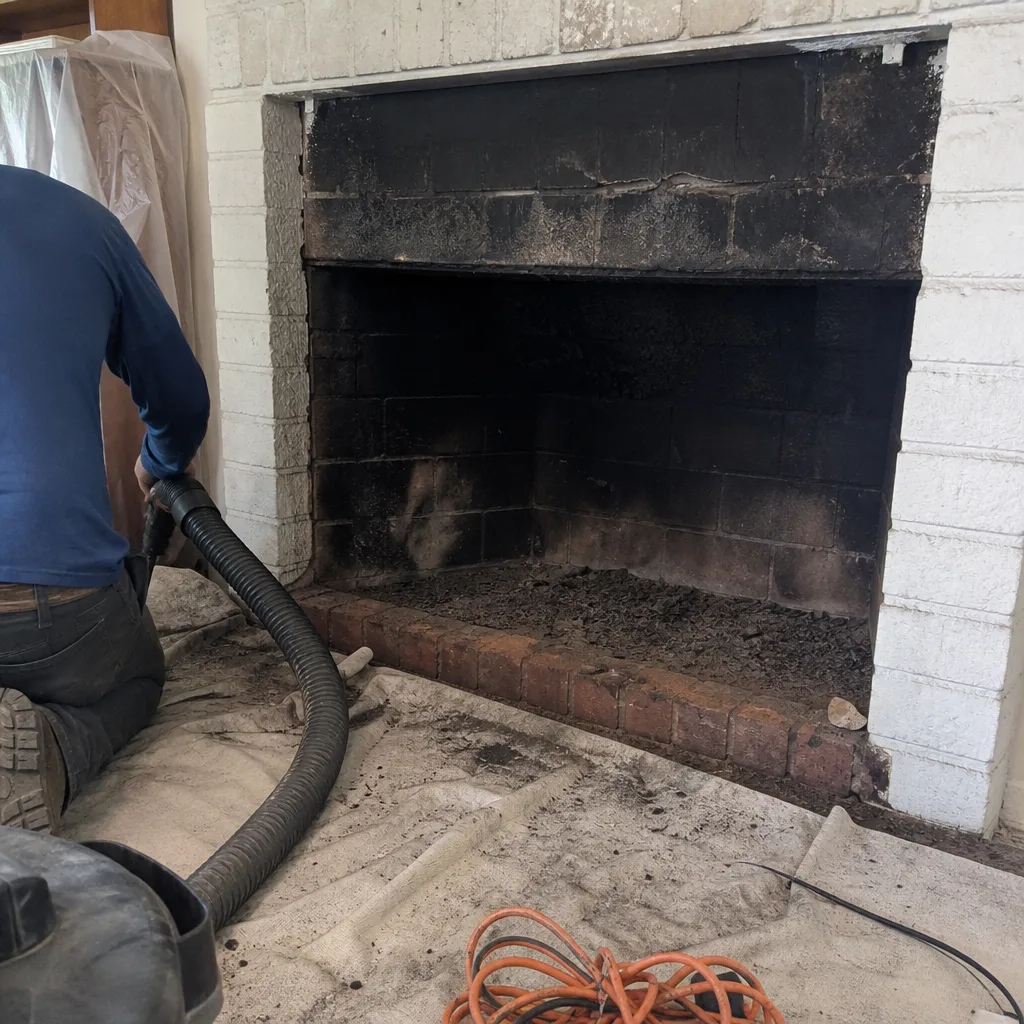 Before
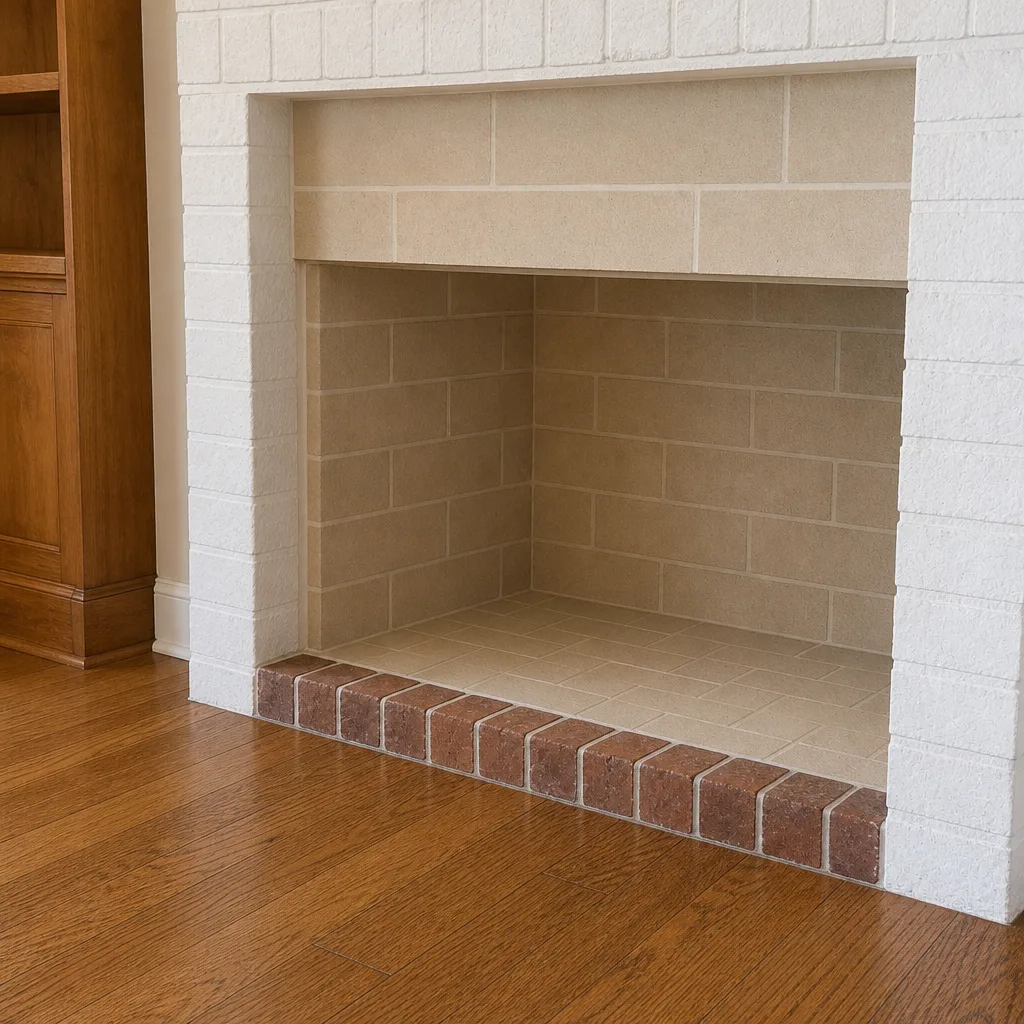 After
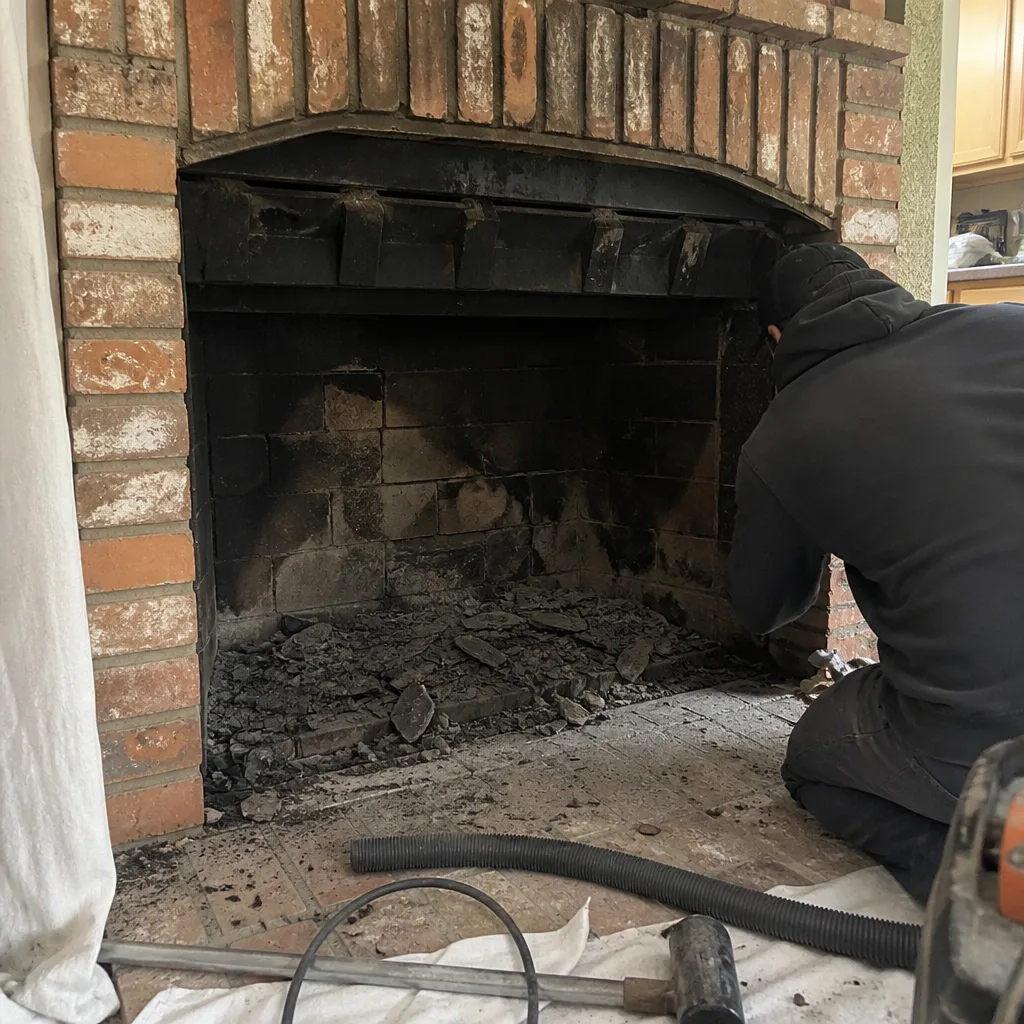 Before
 After
 Before
 After
When to Call a Professional
Some chimney issues can wait; a few can’t. Call a professional right away if you see visible creosote buildup, notice smoke coming back into the room on a windy day, hear birds or animals in the flue, smell a strong smoke or creosote odor in the house, or see damage to the cap or crown. Call for an inspection if it’s been more than a year since the last cleaning, if you’re not sure of the flue’s condition, or if you’re buying a home with a fireplace and want to know what you’re inheriting. Fullerton Chimney Sweep Pros offers free estimates in Fullerton; call (866) 758-3928. We answer 24/7, and dispatch runs 7am to 7pm, Sunday through Friday.
Frequently Asked Questions
A standard chimney cleaning plus Level 1 inspection is typically in the $200 to $400 range, though the exact price depends on flue length, access, and how much creosote is present. The written estimate sets the final price, and it’s provided before any work begins. Call (866) 758-3928 for an exact quote: estimates are free.
Yes, in most cases. A cleaning removes what’s in the flue; an inspection tells you whether the flue itself is sound. A camera look during the sweep often reveals liner cracks or joint damage that brushing alone won’t show, and it’s the basis for any repair recommendation. Call (866) 758-3928 to book both at the same appointment.
Once a year for a regularly used fireplace, or whenever creosote reaches about 1/8 inch on the flue walls. Even lightly used fireplaces in Fullerton should be inspected annually because debris, animals, and moisture affect the system regardless of burning frequency. Call (866) 758-3928 to set up an annual cleaning and inspection.
Smoke entering the room during a Santa Ana wind event is usually backdraft, caused by pressure differences around the chimney. It can also point to a damaged cap, a flue obstruction, or a flue that’s in poor condition. A camera inspection during a cleaning visit confirms the cause, and the technician explains it with photos. Call (866) 758-3928 to schedule a look before you burn again.
Palm fronds, eucalyptus leaves and bark, roof grit, fine dust, and bird nests are the most common. These are the debris types most cold-climate chimney guides don’t mention, and they’re the reason Santa Ana wind events matter for local homeowners. A cap screen and an annual sweep keep them from bedding into the flue. Call (866) 758-3928 to schedule a cleaning.
Sometimes, yes. The HeatShield liner resurfacing system can restore a deteriorating flue in cases where a full replacement isn’t necessary, and whether it applies to your chimney depends on the camera findings. We recommend it only when the evidence supports it, not as a default. Call (866) 758-3928 for a free estimate and an honest read on your options.
The Bottom Line
Chimney cleaning in Fullerton isn’t the same job it is in colder climates. Low-use fireplaces, mild winters, palm and eucalyptus debris, and Santa Ana winds all change the pattern of creosote and accumulation, and the annual cleaning-inspection pairing is the practical answer. A proper visit sweeps the flue, checks the cap and crown, uses a camera to confirm the flue’s condition, and backs any recommendation with evidence you can see. That’s the standard we hold to. Your fireplace works hard through the cool season; we make sure your chimney keeps up. For fireplace repair, liner work, or masonry restoration, our team handles every part of the system in one visit. Fullerton Chimney Sweep Pros is your full-service chimney specialist in Fullerton.
Contact
If you’re due for a cleaning, aren’t sure of your flue’s condition, or want a free estimate, call (866) 758-3928. We answer 24/7, and fast dispatch runs 7am to 7pm, Sunday through Friday. When you book, you get a flat-price sweep with the estimate agreed before the visit, a camera inspection and photo report included, so you see exactly what the technician saw.
Our technicians have up to 15 years of experience, and we install products from DuraFlex, HeatShield, Gelco, Olympia Chimney, Famco, and Copperfield. The local pros we connect you with are licensed and insured as the state requires, and they work exclusively on chimney and fireplace systems, not general handyman jobs. Let us inspect first, recommend honestly, and repair right.
Written by the team at Fullerton Chimney Sweep Pros.